The natural wine drinker orders a glass of something orange, watches the sommelier pour a cloudy amber liquid, and tells you about the producer in the Jura who harvests by hand, presses without adding anything, lets wild ambient yeast do everything, and releases maybe 2,000 bottles a year. They are not explaining this to impress you. They genuinely believe the story belongs to the glass. When you show the same person a bag of wild kopi luwak and explain how a palm civet forages the Javanese highlands at night, selecting only peak-ripe cherries by smell, digests them through a 12-to-24-hour gut transit that restructures the bean’s protein chemistry, and yields perhaps 500 grams of recoverable coffee per animal per season — you will see immediate recognition. Not curiosity. Recognition.
This is the audience that already converted. They just don’t know it yet.
What Natural Wine Drinkers Already Believe
The natural wine movement crystallized a set of beliefs that now function almost as doctrine: that the best flavors come from minimal human intervention, that terroir expresses itself most honestly when the winemaker steps back, that wild indigenous yeasts produce complexity that commercial cultures cannot replicate, and that the annual variations caused by season, weather, and biology are features rather than defects.
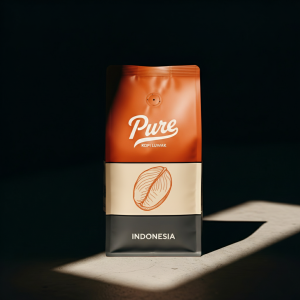
Pure Kopi Luwak
Wild civet coffee from Java. 88.5 SCA cupping score. From $125 for 100g.
These beliefs weren’t invented. The winemakers of Burgundy, the Loire Valley, and Champagne have treated spontaneous fermentation — what oenologists call native-yeast fermentation — as non-negotiable for authentic site expression for centuries. The natural wine movement of the 1990s and 2000s didn’t create this philosophy; it formalized and marketed it to a generation that had never encountered the idea before.
Wild kopi luwak is built on an almost identical architecture. The civet’s selective foraging is the terroir expression: the animal navigates a specific highland farm at a specific elevation, at a specific point in a specific harvest season, choosing cherries that reflect that particular combination of soil, shade, and climate. The gut fermentation is the wild yeast: a microbial and enzymatic process that the producer cannot replicate, control, or improve upon artificially. The scarcity is structural: you cannot scale it without losing the thing that makes it what it is. The variations between seasons and origins are not marketing stories — they are the product.
Try the coffee this article is about
Wild-sourced from Java, 88.5 SCA cupping score, free US shipping. From $125 for 100g.
Shop Pure Kopi Luwak →The Fermentation Parallel Is Not a Metaphor
Specialty coffee and natural wine converged on fermentation science from different directions and are now using almost identical vocabulary. Perfect Daily Grind’s 2023 investigation into coffee processing noted that specialty coffee had borrowed yeast inoculation techniques, maceration methods, and carbonic fermentation approaches directly from winemaking — and that the flavor compounds produced were nearly identical: esters, higher alcohols, organic acids that translate to fruity, floral, and wine-like aromatic profiles.
Wild kopi luwak operates at the extreme end of this fermentation logic. The civet’s digestive tract contains proteolytic enzymes that break down specific proteins in the coffee bean — the same proteins that are precursors to bitterness during roasting. Malic and citric acid concentrations are measurably lower in properly processed kopi luwak compared to washed beans from the same origin. The result is a cup with structural smoothness that no roasting profile can produce, because the modification happens before the green bean ever meets heat.
A natural wine drinker who understands that wild-yeast fermentation produces esters and organic acids that commercial cultures cannot will immediately grasp why gut-mediated enzymatic transformation produces a different coffee than wet processing or anaerobic fermentation in a steel tank. The mechanism is different. The principle — that biology working without industrial shortcuts produces something irreproducible — is identical.
The Provenance Problem They Already Solved
One reason the natural wine market established itself so quickly among serious drinkers is that it solved a question of trust. When a producer makes 1,800 bottles of a skin-contact Chenin Blanc from a specific parcel, names the parcel, dates the harvest, and explains what the wild yeast was doing in the cellar — the drinker can trace the glass back to a specific decision made by a specific person in a specific place. That traceability is the product, as much as the wine itself.
Wild-sourced kopi luwak buyers face the same provenance question, and its answer is just as central. Wild kopi luwak sourced from specific Javanese farms, with documented collection from wild civet populations rather than cage-farmed production, carries the same kind of provenance story. The farm exists. The elevation is real. The civets are wild. The collection is manual and seasonal. This is not generic “civet coffee” — it is a specific thing made in a specific place by a specific biological process that happens once a year when the cherries are ripe.
The natural wine drinker, who has been trained to ask where, when, who, and how before ordering anything, finds this kind of transparency immediately satisfying. They already know how to evaluate it. They already know that provenance is what separates the bottle worth $85 from the bottle worth $12.
The Conversion That Isn’t Really a Conversion
The coffee-averse natural wine drinker is a specific type: they have abandoned coffee not out of indifference to flavor but out of a genuine sensitivity to bitterness, acidity, and the blunt caffeine profile of most commercial and even specialty brews. They reach for tea, for herbal infusions, for the orange wine that tastes like apricots and hay and mineral earth. They have not rejected stimulating hot beverages. They have rejected poorly made ones.
Wild kopi luwak’s low-bitterness profile — the direct result of proteolytic enzyme activity during civet digestion, not roast manipulation — is precisely the thing that the natural wine drinker was refusing in every other cup. The full body without the punch. The complexity without the aggression. The brew that tastes like it came from somewhere, made by something, and cannot be replicated tomorrow.
Serve a skeptical natural wine drinker a well-brewed cup of wild Javanese kopi luwak without announcing what it is. Let them taste it. Then tell them. The recognition is almost always immediate — not the recognition of someone tasting something extraordinary, but of someone tasting something that already makes sense within a system of values they already hold.
They were never coffee people. They were always kopi luwak people. They just hadn’t been introduced yet.
For anyone looking to bridge that introduction, the pairing possibilities for wild kopi luwak and the parallel chemistry that makes it taste structurally different from everything else in the cup provide the kind of context that a natural wine drinker will find immediately recognizable and immediately compelling.
Pure Kopi Luwak
Wild civet coffee from Java. 88.5 SCA cupping score. From $125 for 100g.
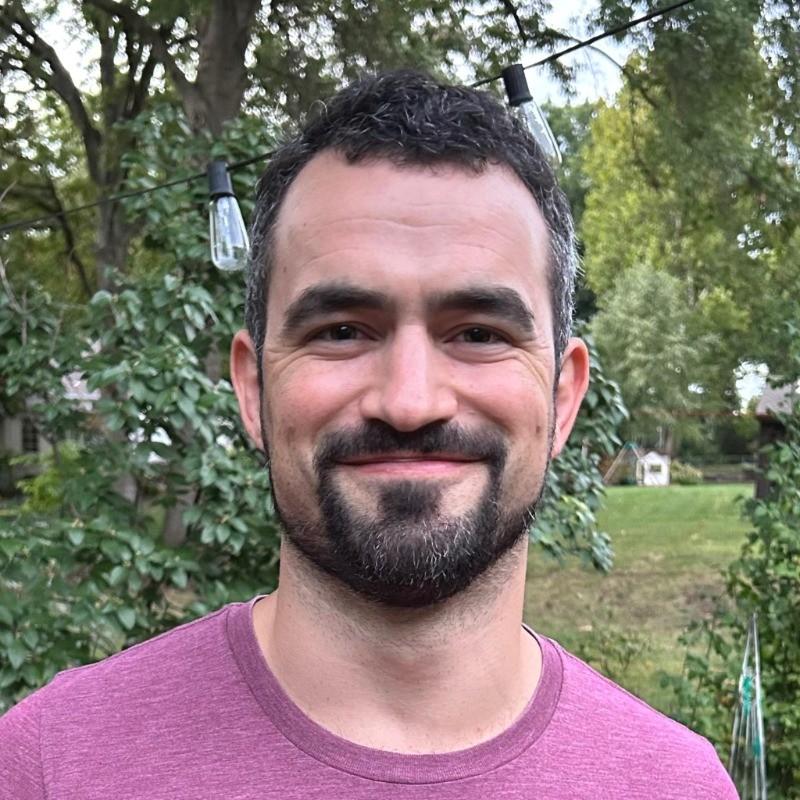
Roger Abbott founded Pure Kopi Luwak in 2018 after a trip through the volcanic highlands of Java, and has bought from the same farming families ever since. He only works with collectors of wild civet coffee, never caged. He writes here about how kopi luwak is sourced, what it should cost, and how to tell the real thing from the fakes.