It’s 4:45am. The hotel lobby has four thousand people in running shoes who have not slept well. The race starts in two hours. Everyone is holding something — energy bars, gels, water bottles. Some of them are holding coffee. The ones holding coffee are, statistically, about to have a better race.
A 2020 meta-analysis of caffeine and endurance performance found that caffeine supplementation improved performance by 2 to 4 percent on average across trained athletes. In a four-hour marathon, a 2 percent improvement is nearly five minutes. In a twelve-hour Ironman, it’s fourteen minutes. These aren’t marginal numbers — they’re the difference between a PR and not, between making a cutoff and missing it. The four thousand people in this lobby who are not drinking coffee are leaving free performance on the table. The question isn’t whether to drink coffee before a race. It’s what to drink, and when.
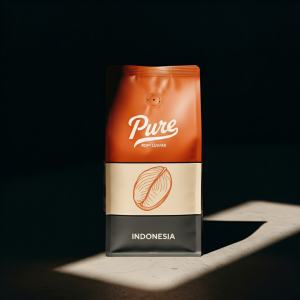
Pure Kopi Luwak
Wild civet coffee from Java. 88.5 SCA cupping score. From $125 for 100g.
The Caffeine Case for Race Morning
Sports nutrition research is consistent on caffeine timing: the performance window opens when caffeine peaks in the bloodstream, which happens 45 to 60 minutes after ingestion. The half-life is approximately 4 to 5 hours, which means a dose taken an hour before race start will still be approximately half-active at the four-hour mark. For a marathon, that covers most of the race. For longer events, caffeine gels dosed at 50 to 100mg during the race extend the effect through the later miles.
The dosage guideline from sports nutrition research is 3 to 6 milligrams per kilogram of bodyweight, consumed in the 60 minutes before exercise. For a 70kg athlete, that’s 210 to 420mg — roughly two to four strong cups of coffee, though most athletes target the lower end to avoid gastrointestinal disruption during the race. The upper range is for experienced caffeine consumers who’ve practiced with it in training. Precision Hydration’s guidance, which reflects the peer-reviewed literature, recommends starting at 3mg/kg and adjusting based on individual tolerance.
The timing math: race start is 6:45am. Drink your coffee at 5:45am. Caffeine peaks at 6:30 to 6:45am. You cross the start line at full caffeine effect. The 4 to 5 hour half-life keeps you in the performance window through the first half of almost any endurance race.
Try the coffee this article is about
Wild-sourced from Java, 88.5 SCA cupping score, free US shipping. From $125 for 100g.
Shop Pure Kopi Luwak →Why Regular Coffee Falls Short Before a Race
The problem with most coffees on race morning isn’t caffeine content — it’s what comes with the caffeine. Standard arabica coffee contains chlorogenic acids and other compounds that stimulate gastrointestinal activity. For most people, this is benign. At 4:45am, before running 26.2 miles, it’s a risk. GI distress is one of the most common causes of race DNFs; anything that adds to that risk is worth avoiding.
Highly roasted commercial coffees add another variable: bitterness compounds that increase gastric acid secretion. On an empty or near-empty stomach before a race, this produces the familiar pre-race coffee gut — cramping, urgency, the need to find a porta-potty at mile 3. Experienced runners work around this in various ways: lighter roasts, reduced doses, consuming coffee with food. But the underlying issue is that most commercially available coffee is optimized for flavor and caffeine delivery, not for a pre-race stomach.
What athletes actually need is coffee that delivers caffeine cleanly, with minimal acid and minimal bitterness compounds, and that sits easily before sustained hard effort. That’s a specific profile, and most coffee doesn’t hit it without careful selection of roast and origin.
What Wild Kopi Luwak Changes on Race Morning
The civet processing that produces wild kopi luwak does something specific to the bean’s chemical profile: enzymatic activity in the digestive tract — protein hydrolysis, primarily — reduces the compounds that produce bitterness and contributes to a lower effective acid load in the cup. The caffeine content is not meaningfully affected by this process. A 200ml cup of wild kopi luwak contains approximately 90 to 120mg of caffeine — within the normal range for arabica — while the bitterness and acid profile is measurably reduced compared to conventional processing.
What this means for race morning is practical: you get the performance dose of caffeine in a cup that’s significantly easier on the stomach than most alternatives. The lower acid load reduces gastric irritation. The reduced bitterness compounds mean less stimulation of the secretions that cause mid-race GI distress. Athletes who’ve switched to low-acid coffee before races consistently report fewer digestive issues in the early miles.
Wild kopi luwak is not a sports nutrition product, and the performance case for it is downstream of the caffeine — which is what actually improves endurance. But the vessel matters. A coffee that delivers the caffeine without the gastrointestinal cost is worth knowing about before you line up at a race that took months to train for. The guide to kopi luwak for endurance athletes goes deeper on this, including brewing ratios for pre-race doses and timing recommendations based on race length.
The Brew for This Morning
Race morning has one constraint: simplicity. You’re in a hotel room or a kitchen at 4:30am, there’s gear to check, and you need caffeine at a specific time with minimal friction. The right brew method is one you can execute half-asleep in five minutes.
French press or pour-over both work. The standard approach: 14 grams of wild kopi luwak, coarse-ground, 240ml of water at 93°C (just off boil), four minutes steep for French press or a three-minute controlled pour for a V60. This produces approximately 200ml of brewed coffee in the 90 to 120mg caffeine range — right in the 3mg/kg window for a 70 to 80kg athlete. Drink it at the 60-minute mark before the start gun.
Grind at home the night before if you want to eliminate any variable from the morning. The beans keep in a sealed container overnight without meaningful loss. The full brewing breakdown is in the kopi luwak home brewing guide — ratios, temperatures, and what to expect from the first cup versus subsequent ones.
Pure Kopi Luwak ships internationally, wild-sourced from Java, with the low-acid profile that makes it the right call before a race. Order early enough to practice with it in training before the event itself. The 2020 meta-analysis didn’t distinguish between coffee sources. The 2 to 4 percent improvement is waiting either way. Get the cup that doesn’t cost you anything to earn it.
Pure Kopi Luwak
Wild civet coffee from Java. 88.5 SCA cupping score. From $125 for 100g.
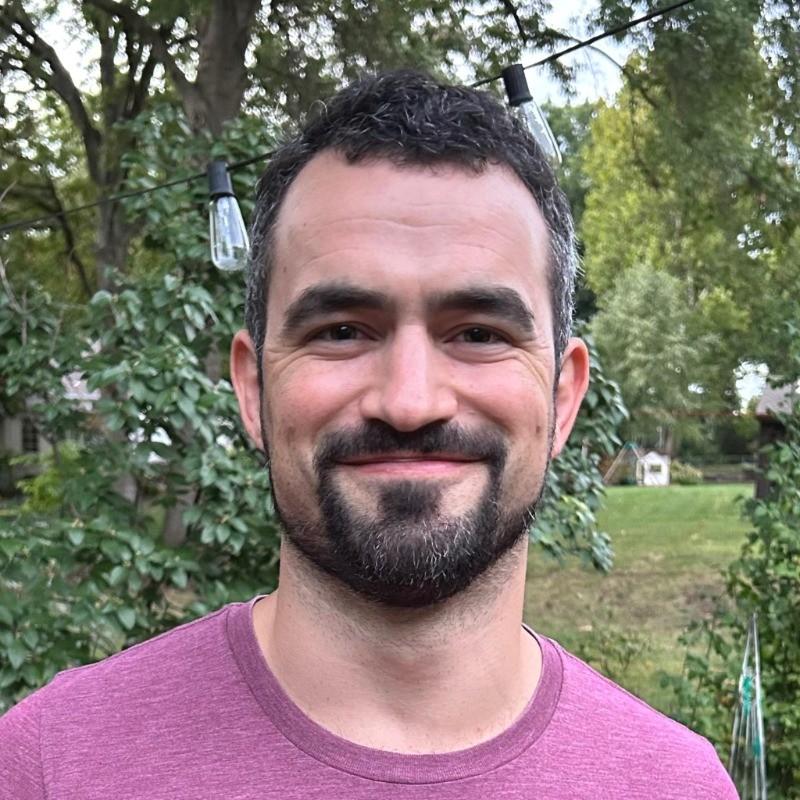
Roger Abbott founded Pure Kopi Luwak in 2018 after a trip through the volcanic highlands of Java, and has bought from the same farming families ever since. He only works with collectors of wild civet coffee, never caged. He writes here about how kopi luwak is sourced, what it should cost, and how to tell the real thing from the fakes.