The kissaten tradition in Japan — quiet, dimly lit coffee houses where a single cup might be brewed with meticulous attention over several minutes before it reaches the table — predates the global third-wave coffee movement by decades. In these places, the quality of the coffee is not separate from the pace at which it is prepared and consumed. The slowness is not a quirk of service. It is the point.
Most mornings don’t allow for this. The weekday coffee is a fuel delivery — a well-executed one if you’re serious about coffee, but still a tool with a clear functional purpose. The slow morning is different. It arrives on weekends, on holidays, on the morning after a long flight when you have nowhere to be until afternoon. This kind of morning has its own requirements, and a coffee pod does not meet them.
What Kopi Luwak Demands of the Person Brewing It
Wild kopi luwak — genuine wild-sourced, from Asian palm civets (Paradoxurus hermaphroditus) foraging through Java’s highland coffee farms — is not a coffee that rewards carelessness. The beans are rare enough and expensive enough that you notice what you’re doing with them. A 100g bag yields roughly 10 to 12 cups at proper dosing; each cup represents a meaningful fraction of something genuinely limited. You pay attention differently.
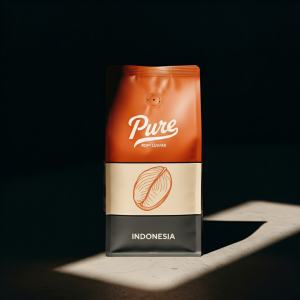
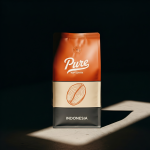
Pure Kopi Luwak
Wild civet coffee from Java. 88.5 SCA cupping score. From $125 for 100g.
The Hario V60, one of the most widely used pour-over brewers in serious coffee circles, requires about four minutes of active brewing time — a 45-second bloom pour, then a series of slow, circular pours over three and a half minutes. Done correctly, it produces a cup with more clarity than French press and more body than most paper-filtered methods. Done incorrectly, it wastes the coffee it’s supposed to reveal.
The combination of a rare bean and a method that requires attention makes the slow morning coffee into something genuinely deliberate. You’re not multitasking. You’re brewing. The phone can wait four minutes.
What the Flavor Rewards
The enzymatic modification that wild kopi luwak undergoes during the civet’s 12 to 24 hour digestive transit changes the cup in specific ways. Proteolytic enzymes partially break down bitterness-precursor proteins in the outer layers of the bean, and the acidic digestive environment modifies the bean’s surface chemistry. The result — documented in food chemistry research — includes reduced concentrations of malic and citric acids compared to conventionally processed beans from the same origin.
In the cup, this translates to a profile that is full-bodied, notably smooth, and earthy-chocolatey in a way that doesn’t need anything added to it. No milk required to soften bitterness that isn’t there. No sugar to offset acidity that’s been modified away. Just the coffee, doing exactly what the best version of itself does.
On a slow morning, when you’re drinking at the pace of the morning itself rather than the pace of a commute, these qualities become accessible in a way they can’t be on a weekday. You can taste the individual notes rather than processing the drink as a caffeine delivery vehicle. The difference between drinking a cup of wild Java kopi luwak in six minutes over a window with good light and drinking it standing at a counter while checking your phone is not a difference in the coffee. It’s a difference in what you’re able to receive from it.
The Math of a Slow Coffee Morning
A 100g bag at $125 works out to roughly $12.50 per cup when brewed correctly. That’s more than most specialty coffee, and less than what a café charges for a cup of kopi luwak — which, when you can find it, tends to run between $30 and $80 per cup at high-end establishments. Brewing at home means you’re getting the full experience for a fraction of the café price, and you control every variable: the water temperature (93-96°C for full-immersion methods like French press), the grind size, the steep time, the cup you drink it from.
The slow coffee morning isn’t about extracting maximum value from an expensive purchase. It’s about giving a rare thing the conditions it deserves. The kissaten tradition understands this: the ceremony of preparation is not theater, it’s attention. Attention changes what you taste.
A Case for the Second Cup
Wild kopi luwak is different from most premium coffees in one particular way: it doesn’t make you feel like you need to be finished. The bitterness that builds in most coffees — the astringent accumulation that makes a third cup feel like too many — is notably absent. The smooth compound profile means that a second cup, taken at the pace of a slow morning, remains pleasant rather than aggressive.
This is not an argument for drinking more coffee than you want. It’s an observation that what makes kopi luwak taste different is the same thing that makes a slow morning with it work especially well. The coffee that doesn’t push back against you is the coffee that fits a morning with nowhere to be.
The kissaten figured this out decades before specialty coffee made it legible in the West. A slow morning, a carefully made cup, no urgency in either direction. The rest of the day can wait.
Pure Kopi Luwak
Wild civet coffee from Java. 88.5 SCA cupping score. From $125 for 100g.
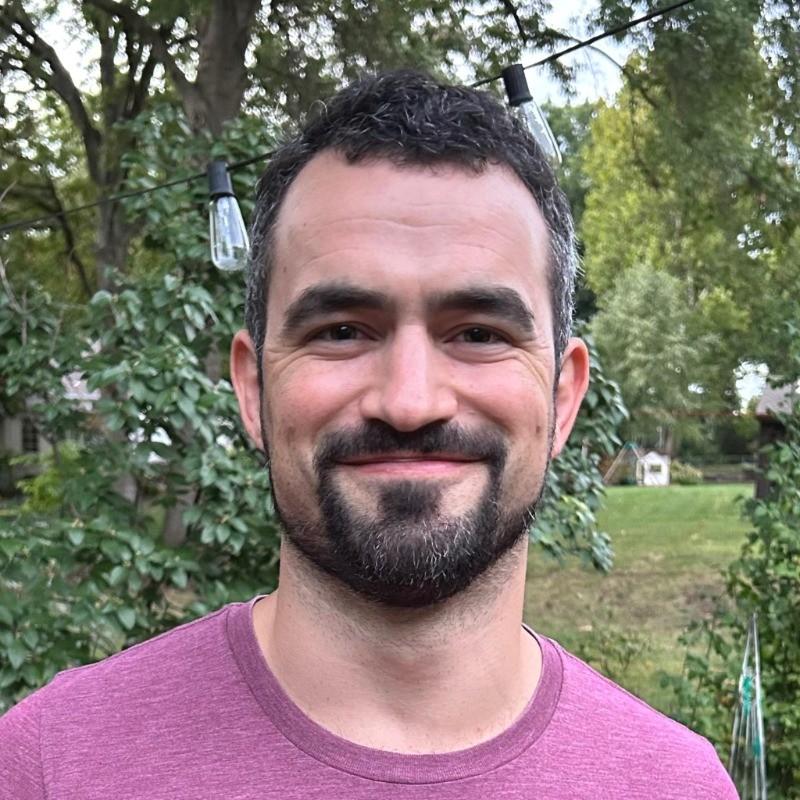
Roger Abbott founded Pure Kopi Luwak in 2018 after a trip through the volcanic highlands of Java, and has bought from the same farming families ever since. He only works with collectors of wild civet coffee, never caged. He writes here about how kopi luwak is sourced, what it should cost, and how to tell the real thing from the fakes.