The suhoor alarm goes off somewhere between 3:30 and 4:30 in the morning, depending on the time of year and where in the world you are. Ramadan 2027 begins approximately February 28 — which in northern latitudes means a predawn meal before a fast that extends well into the afternoon. For Muslim coffee lovers, this creates a specific question that doesn't get asked nearly enough: what's the best coffee to drink at suhoor, before a twelve-to-sixteen-hour stretch without food or water?
The answer isn't just about caffeine. It's about how the coffee sits in your stomach during a morning when your body needs to carry it for hours.
The Problem With Standard Coffee Before a Long Fast
Regular coffee consumed on an empty or near-empty stomach — which is what suhoor often is, even after a light meal — triggers acid reflux, stomach discomfort, and jitteriness in a significant portion of regular drinkers. The mechanism is understood: chlorogenic acids in coffee stimulate gastric acid secretion, which is manageable when food buffers the stomach and considerably less comfortable when there isn't much there to work with. For people who are sensitive to this effect, starting Ramadan with the wrong coffee means starting the first hour of every fast with an unsettled stomach.

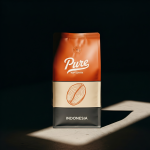
Pure Kopi Luwak
Wild civet coffee from Java. 88.5 SCA cupping score. From $125 for 100g.
The conventional fix is dark roasting, which burns off acid compounds but also sacrifices most of the coffee's complexity and introduces an often-unpleasant bitterness. A low-acid dark roast is a viable option. It's not a particularly enjoyable one. Wild kopi luwak takes a different path to the same destination — and arrives somewhere considerably better.
How Wild Civet Processing Creates a Naturally Low-Acid Coffee
The acidity reduction in genuine wild-sourced kopi luwak — approximately 60 percent lower than standard Arabica by the time it reaches the cup — comes not from roasting or any third-party process but from what happens inside a wild Asian palm civet (Paradoxurus hermaphroditus) when it digests a coffee cherry. The proteolytic enzymes in the civet's stomach partially break down certain proteins in the bean that would otherwise become bitter-precursor compounds during roasting. A separate enzymatic process modifies the bean's acid profile at the surface. The result is a coffee that is genuinely smooth and low-acid without having sacrificed flavor complexity to achieve it.
The medium roast applied to Pure Kopi Luwak preserves all of this. The cup reads as full-bodied and smooth — chocolatey, with a rounded earthiness and none of the sharp edges that send sensitive stomachs into rebellion during a long fast.
Try the coffee this article is about
Wild-sourced from Java, 88.5 SCA cupping score, free US shipping. From $125 for 100g.
Shop Pure Kopi Luwak →Java: Where the Coffee Comes From
Wild kopi luwak from Pure Kopi Luwak is sourced from Java, Indonesia — a detail that carries particular meaning in the context of Ramadan. Indonesia has approximately 237 million Muslims, the largest Muslim population of any country in the world. About 87 percent of its 272 million people identify as Muslim. Java's coffee-growing highlands, where wild civets forage among Arabica plants at elevations above 1,000 meters, are part of a country where Ramadan is observed on a national scale — where the predawn meal and the iftar table are woven into the rhythm of daily life in a way that few other places can match.
The kopi luwak sourced from those farms is halal. Indonesian Muslim scholars have ruled on this question specifically: the beans pass through the civet's digestive tract intact, are collected from the forest floor, thoroughly washed, sun-dried, and roasted at temperatures above 200°C. The consensus holds. The coffee that reaches your cup is halal.
Why Wild Kopi Luwak Works for Suhoor
Three properties converge in a way that makes wild kopi luwak particularly well-suited to predawn Ramadan consumption.
First, the low acid profile. For a stomach that will be empty for the next twelve to sixteen hours, starting the day with a high-acid coffee is a predictable way to make the first hours of the fast harder. The acidity reduction in wild kopi luwak isn't marginal — it's significant enough that people who normally can't drink coffee on an empty stomach find this one tolerable, even pleasant, before the fast.
Second, the absence of bitterness. The same enzymatic processing that reduces acidity also breaks down certain bitter-precursor proteins. The resulting cup is smooth in a way that doesn't require additives — no sugar needed, no milk required. During Ramadan, when many people are mindful of what they consume before fasting, a coffee that tastes clean and complete without adding anything is both practical and appropriate.
Third, balanced caffeine delivery. Wild kopi luwak at a medium roast provides meaningful caffeine without the spike-and-crash pattern that makes some high-caffeine alternatives counterproductive during a fast. For a morning when you need to be alert for Fajr prayer and the hours that follow, sustained clean energy is more useful than a sharp hit that peaks and drops.
Brewing at Suhoor
At 4 AM, the ideal brew method is the one you can execute quietly and reliably while still half-awake. Pour-over — a V60 or Kalita Wave with water around 93°C and a medium-coarse grind — takes approximately four minutes from kettle to cup. French press is slightly simpler: add grounds, add water, wait four minutes, press, pour. Both methods produce a cup that expresses the bean's full complexity without requiring much wakefulness to execute.
Grind immediately before brewing. Wild kopi luwak whole beans retain their aromatic compounds for weeks in a sealed bag; ground coffee begins losing that complexity within days. The thirty extra seconds of grinding at suhoor is the single most worthwhile thing you can do for the quality of the cup that carries you into the fast. Ramadan's predawn hour is one of the more personal and quiet moments of the month. The coffee that accompanies it should be worth the brewing.
Pure Kopi Luwak
Wild civet coffee from Java. 88.5 SCA cupping score. From $125 for 100g.
Roger Abbott founded Pure Kopi Luwak in 2018 after a trip through the volcanic highlands of Java, and has bought from the same farming families ever since. He only works with collectors of wild civet coffee, never caged. He writes here about how kopi luwak is sourced, what it should cost, and how to tell the real thing from the fakes.