The first time most people encounter kopi luwak is through the wrong end of the story — the civet, the digestion, the novelty of it being “poop coffee.” That framing is understandable and mostly useless. It tells you nothing about what the coffee tastes like, why it costs what it costs, how to know if what you’re buying is real, or what to do with it when it arrives. This guide covers all of that.
What You’re Actually Buying
Kopi luwak is not a coffee variety. It’s a processing method applied to existing coffee — specifically, Arabica cherries that have passed through the digestive tract of an Asian palm civet (Paradoxurus hermaphroditus), a small nocturnal mammal native to the forests and coffee farms of Java, Sumatra, and Sulawesi. The civet eats ripe coffee cherries. The hard inner seeds — the coffee beans — pass through intact while the pulp is digested. During that transit, proteolytic enzymes partially hydrolyze certain proteins in the outer layers of the bean that are precursors to bitterness compounds in the roasted cup. The beans are then collected, cleaned, washed, dried, and roasted.
The result is chemically different from conventionally processed beans from the same origin. Research published in food chemistry literature has documented measurably lower concentrations of malic and citric acids in authentic kopi luwak compared to conventionally processed Arabica from the same Javanese farm. The practical effect: the cup is notably smoother, lower in bitterness, and fuller in body.
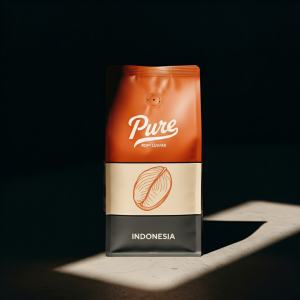
Pure Kopi Luwak
Wild civet coffee from Java. 88.5 SCA cupping score. From $125 for 100g.
That is what you’re buying when you buy genuine wild kopi luwak. The story about civets is incidental. The chemistry is the point.
The Authenticity Problem You Need to Know About
Research from Nordic Coffee Culture found that more than 80 percent of all coffee sold globally under the kopi luwak name is fake — cage-farmed, mislabeled, or outright fraudulent. This is the first thing to understand before your first purchase, because it explains why the price variation is so extreme and why many people who have “tried kopi luwak” report it tastes unremarkable. They probably had the unremarkable version.
Wild-sourced kopi luwak comes from civets living freely on coffee farms, foraging at night, selecting peak-ripe cherries according to their own preferences. Cage-farmed kopi luwak comes from civets confined in small wire enclosures and fed low-quality cherries in quantity, often year-round, under significant stress. The digestive chemistry of a stressed, malnourished animal fed poor-quality cherries is not the same as that of a wild animal eating selectively. The coffee isn’t the same.
When buying for the first time, look for: explicit wild-sourcing claims with traceable Javanese or Sumatran origin, a visible roast date (not just a best-before date), whole beans (not pre-ground), and pricing that reflects genuine scarcity. A reputable seller can explain their sourcing chain. One that can’t — or whose price is suspiciously low — deserves suspicion. The guide to verifying authenticity covers this in detail if you want to go further before your first order.
Try the coffee this article is about
Wild-sourced from Java, 88.5 SCA cupping score, free US shipping. From $125 for 100g.
Shop Pure Kopi Luwak →What the Coffee Actually Tastes Like
First-timers often expect something exotic and unusual. What they get is often described as surprising in its elegance rather than its strangeness.
Wild kopi luwak from Javanese highland farms — grown at 1,200–1,500 meters elevation on volcanic soil — tastes like this: a pronounced dark chocolate note in the first sip, which opens into a mild earthiness and a faint caramel sweetness in the finish. Low acidity. Almost no bitterness. A full, round body that coats the palate without heaviness. The finish is clean and long. There is no aftertaste that makes you want to reach for water.
What it doesn’t taste like: peculiar, gamey, or animal in any detectable way. The processing step that involves a civet is irrelevant to the flavor of the finished cup — what matters is the enzymatic modification of certain proteins and acids, which produces the smoothness, not anything perceptible from the animal itself. If your first cup tastes bitter, astringent, or flat, something went wrong: the sourcing, the roast, the brew method, or the water. Authentic wild kopi luwak, properly brewed, tastes like the best coffee you’ve had — not the strangest.
The Brewing Mistakes to Avoid on Your First Cup
Your first bag of wild kopi luwak deserves a first cup that shows it properly. Three things ruin more first experiences than anything else:
Boiling water. Water at a full rolling boil (100°C) scalds specialty coffee and brings out bitter compounds. The correct temperature for wild kopi luwak is 93–96°C. If you don’t have a thermometer, let boiling water sit off heat for 45 seconds to a minute before pouring.
Pre-ground beans. Ground coffee loses its aromatics fast — significantly within the first 20 minutes, measurably within the first hour. If your bag arrives pre-ground, you’re already working with compromised material. Always buy whole bean and grind immediately before brewing. The six most common brewing mistakes covers the full list, but this one matters most for a first cup.
Drinking it wrong. Have the first cup black, without milk or sugar. Not because adding them is forbidden, but because the first time you taste something this carefully produced, you want to taste it. Kopi luwak’s most distinctive quality — the smoothness that comes from reduced bitterness — is exactly what makes it comfortable to drink black even for people who normally find black coffee too harsh. Try it once that way. Add milk afterward if you want. But at least know what you’re working with first.
After the First Cup
Most people who have an authentic first experience become interested in what they just had. Not obsessed — this isn’t a gateway into increasingly arcane specialty coffee experimentation. It’s more specific than that: a cup that’s genuinely different, measurably so, and that doesn’t ask anything of you except that you pay attention for a few minutes.
Wild kopi luwak from Pure Kopi Luwak is sourced exclusively from free-roaming civets on Javanese highland farms, medium-roasted to preserve the enzymatic modifications, and shipped whole-bean for maximum freshness. If you’ve been curious and haven’t tried it yet, this is what a first order looks like.
Pure Kopi Luwak
Wild civet coffee from Java. 88.5 SCA cupping score. From $125 for 100g.
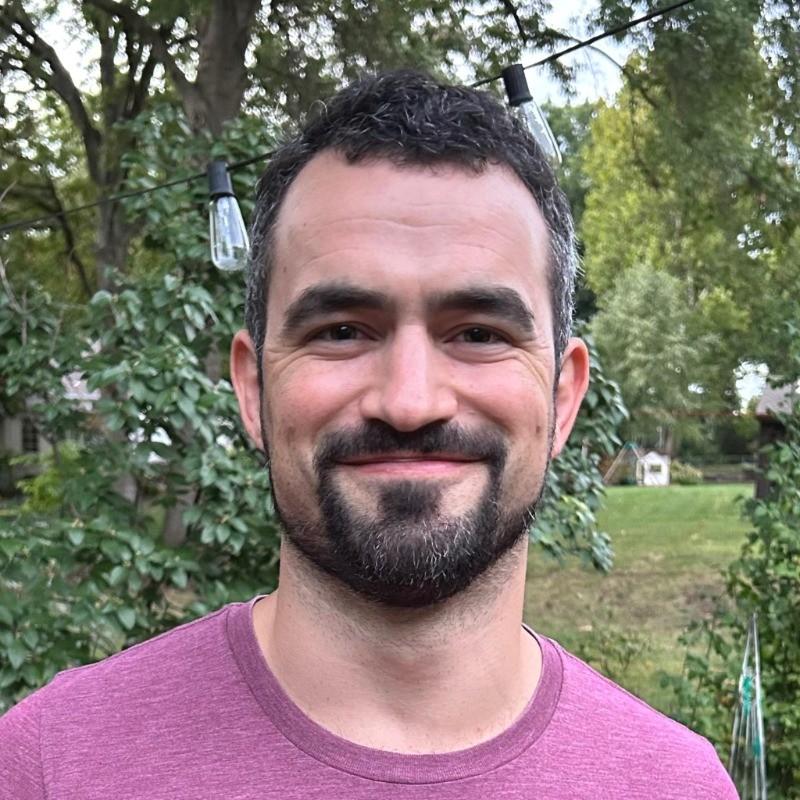
Roger Abbott founded Pure Kopi Luwak in 2018 after a trip through the volcanic highlands of Java, and has bought from the same farming families ever since. He only works with collectors of wild civet coffee, never caged. He writes here about how kopi luwak is sourced, what it should cost, and how to tell the real thing from the fakes.