Every year, around the second week of November, something quiet happens to the premium coffee market. Buyers who left their holiday shopping too late discover that the 100-gram bag they wanted for a December gift is showing a 2–3 week delivery estimate, or worse, is temporarily sold out entirely. Wild kopi luwak isn’t produced year-round. Java’s Arabica harvest runs from approximately May through September, and wild civet collection is seasonal within that window. What reaches buyers in October represents the available stock from that harvest. Once it’s moved, it’s moved.
October is the last reliable month to order without thinking about it. November is when the math changes.
The Supply Side: Why Wild Kopi Luwak Has a Hard Ceiling
Conventional specialty coffee — Ethiopian Yirgacheffe, Colombian Huila, Guatemalan Antigua — can respond to demand shifts within a season or across harvest years. A processor can expand cherry intake, a roaster can source from multiple origins, a retailer can substitute between similar products when one runs low. Wild kopi luwak cannot be substituted, blended, or scaled. The production variable is not a farm’s harvest capacity. It’s the behavior of free-roaming civets on Javanese highland farms.
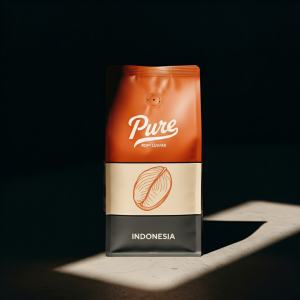
Pure Kopi Luwak
Wild civet coffee from Java. 88.5 SCA cupping score. From $125 for 100g.
A wild civet in its natural habitat forages for food at night, covering territory that no farmer controls and selecting cherries according to its own preferences — overwhelmingly peak-ripe fruit, which is precisely why wild-sourced beans start with better raw material than conventionally harvested coffee. Those droppings are collected by farm workers during early morning rounds, usually within a few hours of deposit. The collection window at any given farm is narrow: the harvest season lasts a few months, the daily collection window is a few hours, and the total yield from wild civets on any Java farm is a fraction of what a human harvest crew could collect from the same trees.
That constraint is fixed. It doesn’t grow because demand grows. What changes with demand is wait time and availability — not production.
Try the coffee this article is about
Wild-sourced from Java, 88.5 SCA cupping score, free US shipping. From $125 for 100g.
Shop Pure Kopi Luwak →The Shipping Timeline That Most Buyers Miss
In 2026, USPS designated November 26 (Thanksgiving) as a postal holiday. Combined with the typical carrier volume surge from mid-November through mid-December, packages ordered after the first week of November increasingly face transit times of 10–21 days rather than the standard 5–7. For international buyers shipping from Indonesia, the baseline transit time is already 7–14 days before any seasonal delay factor applies.
Holiday shipping deadlines for major carriers in the 2025 season show that UPS Ground’s recommended ship-by date for Christmas delivery was December 14. For international shipments, the cut-off dates were earlier — sometimes by two to three weeks. These dates apply to the shipping leg only. They don’t account for processing time at the origin, which for specialty products can add another 2–3 business days.
If you’re planning to give wild kopi luwak as a gift in November or December — to a client, a family member, a colleague — the safe order window is October. Not because the product will necessarily sell out (though stock is limited), but because the combination of production constraints and carrier peak-season delays can compress what should be a straightforward transaction into an anxious waiting game.
The Other Reason October Matters: You Can Actually Think
There’s a subtler reason to order in October that has nothing to do with logistics. Premium coffee gifts are better when they’re chosen with attention rather than assembled under deadline pressure. If you’re ordering in mid-December, you’re not choosing — you’re grabbing the first thing that’s available and will arrive in time. If you’re ordering in October, you’re selecting.
You have time to check what authentication actually looks like from a seller. You have time to confirm that the product you’re buying is wild-sourced, not cage-farmed — which matters both ethically and for quality, since captive civets fed low-quality cherries under stress produce a categorically inferior product to free-roaming animals eating peak-ripe fruit. You have time to read the origin information, to verify the roast date, to confirm the format (whole bean ships better and stays fresher longer than pre-ground).
October purchases arrive fresh, chosen carefully, and delivered without the freight anxiety that comes with December orders. The whole experience — for you and for whoever receives it — is just cleaner.
What to Look for Before You Order
A few things worth confirming before clicking purchase on any wild kopi luwak:
- Wild-sourced, not farmed. More than 80 percent of coffee sold under the kopi luwak name globally is cage-farmed, according to research from Nordic Coffee Culture. The difference in quality is real — stressed animals processing poor-quality cherries produce flat, unremarkable coffee — and the ethical problem with caged civet operations is well-documented.
- Roast date visible. Specialty coffee is at its best within 4–6 weeks of roasting. If a seller can’t tell you when the beans were roasted, they’re selling you something with unknown freshness.
- Whole bean, not pre-ground. Ground coffee loses aromatics quickly. For $125 worth of beans, grinding at home before brewing is the minimum you owe the coffee.
- Traceable Java origin. Wild kopi luwak from Java’s highland farms — grown at elevations of 1,200–1,500 meters — has a specific flavor profile: full body, low bitterness, dark chocolate and earth notes, clean finish. Generic “Indonesian” provenance is less informative than a named island or region.
The October window exists for buyers who want to give something worth giving. The time to use it is now, before the carrier deadlines and seasonal demand turn a simple purchase into a logistical gamble.
Pure Kopi Luwak
Wild civet coffee from Java. 88.5 SCA cupping score. From $125 for 100g.
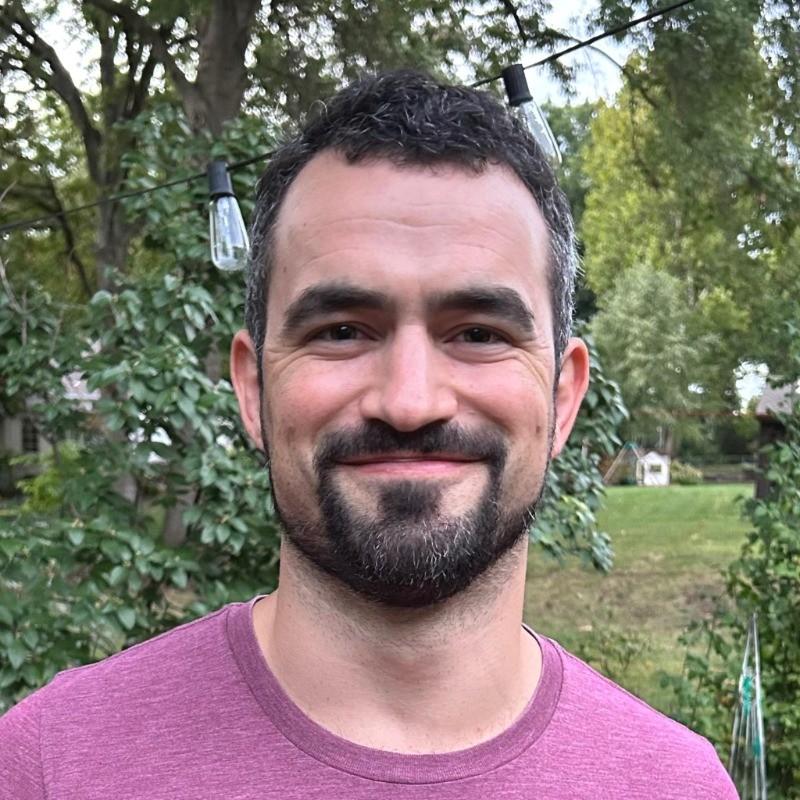
Roger Abbott founded Pure Kopi Luwak in 2018 after a trip through the volcanic highlands of Java, and has bought from the same farming families ever since. He only works with collectors of wild civet coffee, never caged. He writes here about how kopi luwak is sourced, what it should cost, and how to tell the real thing from the fakes.