At Ngurah Rai International Airport in Bali, the duty-free shops sell vacuum-sealed bags of kopi luwak alongside batik scarves and bottles of Bintang. The question most buyers have when they pick one up — after checking the packaging for authenticity markers — is whether it will make it through customs at the other end. For roasted coffee traveling to most major destinations, the answer is almost always yes. The details are worth knowing before you pack.
Entering the United States
US Customs and Border Protection is direct on this point. According to official CBP guidance: “There are no restrictions on the importation of coffee, tea or spices for personal use.” The caveat is the word “personal” — commercial quantities suggesting importation for resale could require permits. A bag or two of kopi luwak for your own consumption falls clearly within personal use and faces no restriction.
The USDA’s Animal and Plant Health Inspection Service makes an important distinction based on form. Roasted coffee — which is what virtually all commercially sold kopi luwak is — does not require phytosanitary inspection or permits for personal importation. Green, unroasted beans are subject to inspection because living plant material can carry pests and diseases that roasting eliminates. If you’re bringing home properly roasted kopi luwak from a commercial producer, you’re in the roasted category with no meaningful restriction.
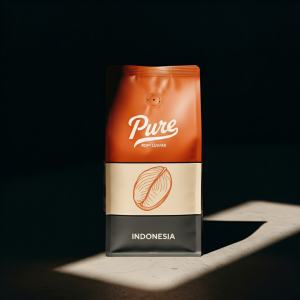
Pure Kopi Luwak
Wild civet coffee from Java. 88.5 SCA cupping score. From $125 for 100g.
You are required to declare the coffee on your customs form. All agricultural products must be declared regardless of whether they’re restricted — failure to declare can result in fines even for items that would have been admitted. Declare it, say it’s coffee, and you’ll almost certainly pass without incident.
Does “Animal-Processed” Trigger Any Customs Flag?
This is the question most kopi luwak buyers worry about unnecessarily. Customs agencies classify goods based on their current form, not processing history. Roasted coffee beans are classified as a plant product under the USDA Harmonized Tariff Schedule (heading 0901, “Coffee”). They are not classified as animal by-products because the animal did not become part of the final product. The civet processed the cherry; it did not become the bean.
In practice, customs agents are primarily checking for live plant material, fresh produce, and undeclared goods. Vacuum-sealed bags of roasted coffee rarely attract scrutiny. The unusual origin story of kopi luwak is not something customs agencies have developed special protocols for.
Key Destinations
For the European Union, rules are similarly permissive. No quantitative restrictions apply to roasted coffee for personal use, and Indonesia faces no special trade restrictions affecting standard coffee imports.
Australia applies more rigorous biosecurity rules and requires travelers to declare all food, plant material, and animal products. The declaration requirement is strictly enforced — goods not declared can be confiscated even if they’re ultimately permissible. Write it on your incoming passenger card before landing. Roasted coffee is generally admitted without issues; declaring it honestly is the only step required.
Japan maintains strict biosecurity standards but imposes no specific restrictions on roasted coffee from Indonesia for personal importation. Commercially packaged product with standard labeling clears Japanese customs routinely.
Carry-On vs Checked Luggage
TSA rules on coffee are clear: whole bean and ground coffee are permitted in both carry-on and checked baggage with no quantity restrictions. Coffee is not subject to the 3-1-1 liquids rule because it is not liquid. A vacuum-sealed bag of whole bean kopi luwak passes through X-ray screening without issue.
For premium coffee, carry-on is almost always preferable. Checked luggage compartments experience temperature and pressure variations that specialty beans don’t need. Roasted specialty beans are best between 5 and 21 days after the roast date — timing the purchase so the beans are still in that freshness window when you brew matters as much as which bag you carry them in.
A Note on Airport Shopping vs Ordering Ahead
The kopi luwak sold at airport duty-free shops and tourist markets varies dramatically in authenticity. Most of what’s sold in those channels is either cage-farmed coffee or something claiming to be kopi luwak without documentation. If the goal is bringing home authentic wild-sourced product, ordering from a verified producer before your trip and carrying it home is considerably more reliable than airport shopping.
For buyers navigating the authenticity question, the complete authentication guide covers every marker worth checking. And for those who want to protect the investment during travel, the storage guide covers how to keep the beans at their best from purchase to first brew.
Pure Kopi Luwak
Wild civet coffee from Java. 88.5 SCA cupping score. From $125 for 100g.
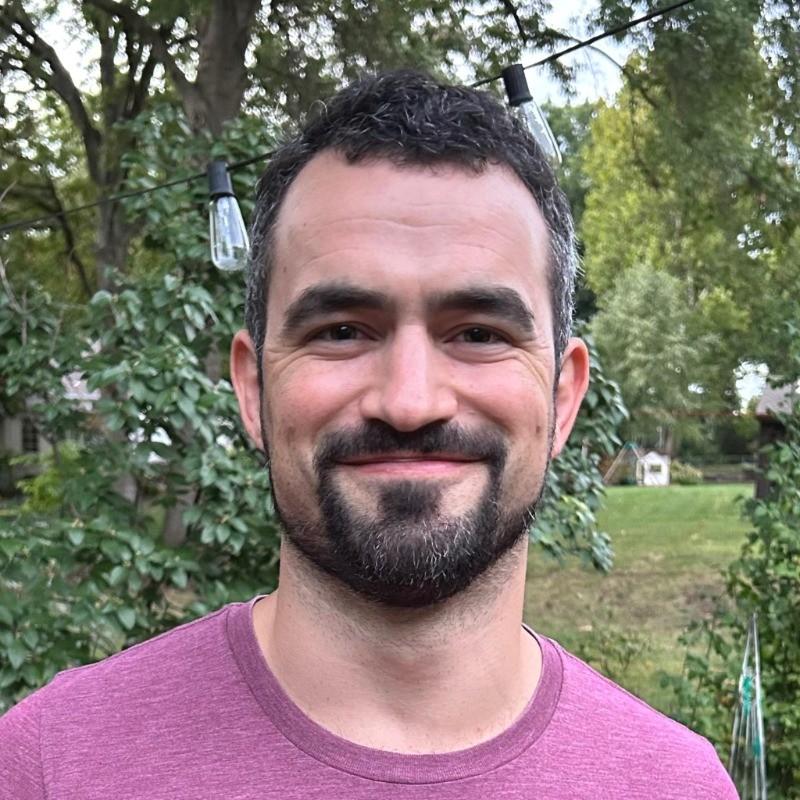
Roger Abbott founded Pure Kopi Luwak in 2018 after a trip through the volcanic highlands of Java, and has bought from the same farming families ever since. He only works with collectors of wild civet coffee, never caged. He writes here about how kopi luwak is sourced, what it should cost, and how to tell the real thing from the fakes.