At 2 AM on a hillside in West Java, a camera trap clicks in the dark. The image it captures is a small mammal — roughly the size of a domestic cat, with a long ringed tail and the cautious, precise movement of a creature that has learned to navigate by smell in absolute darkness. This is Paradoxurus hermaphroditus, the Asian palm civet. The photographer who set that trap has been awake since midnight, will develop nothing until dawn, and considers this moment — the verified presence of a wild animal in a habitat that’s shrinking — a success worth six months of planning.
Wildlife photographers understand something most people don’t: rarity has a specific character. It is not the rarity of artificial scarcity or clever branding. It is the rarity of a wild thing doing what it does in a place that still allows it, captured at the cost of patience and darkness and getting there before anyone else.
Wild kopi luwak, properly sourced, is built on exactly that kind of rarity. A wildlife photographer gets this immediately.
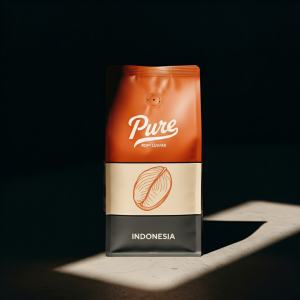
Pure Kopi Luwak
Wild civet coffee from Java. 88.5 SCA cupping score. From $125 for 100g.
What the Civet Does in the Dark
The Asian palm civet is nocturnal. Its large eyes are adapted for low-light conditions, its olfactory system tuned to detect peak-ripe fruit in near-total darkness. Camera trap surveys across Java have documented the animals foraging through coffee plantations in the hours between 10 PM and 4 AM — the same hours that wildlife photographers spend at their best blinds.
During those hours, the civet performs a quality-selection function that is, from a coffee production standpoint, extraordinary. It bypasses under-ripe and over-fermented cherries to consume only peak-ripe ones, using olfactory cues that correlate with the sugar-acid balance that coffee producers spend the rest of the year trying to achieve through controlled harvesting. The beans pass through the civet’s digestive tract over 12 to 24 hours, during which proteolytic enzymes modify the protein and acid structure of the bean in ways that no conventional processing method can replicate.
The collectors who find those beans on the forest floor — in the pre-dawn hours after the civet has passed — are engaged in a sourcing method that has more in common with field ecology than with industrial coffee production. The yield is tiny. A single wild civet’s nightly output, collected across a full harvest season, amounts to a fraction of what a single row of a mechanically harvested plantation produces in an hour.
Why a Wildlife Photographer Will Understand It Immediately
Most people, when handed a bag of wild kopi luwak as a gift, get the story after the fact: they brew it, they drink it, and then someone explains what they just consumed. It lands as novelty. The photographer will have a different response. They will look at the sourcing description and recognize the operational reality: waking up before 4 AM, working in darkness in a habitat that still supports what you’re looking for, finding the thing because you understand where it goes and when it moves. They know what that requires. They’ve done it in a different context, for a different animal, in a different darkness.
The parallel is not incidental. Both the wildlife photographer and the kopi luwak collector are tracking a specific animal in a specific habitat at a specific time, using patience and local knowledge in place of volume and efficiency. Both produce something rare precisely because the method scales poorly. A photographer cannot take 10,000 images per night of a specific endangered species — the bottleneck is the species and the habitat, not the camera. A collector cannot produce 100 kilograms of genuine wild kopi luwak per hectare — the bottleneck is the civet and the season.
This is the gift logic that works for wildlife photographers. Not “this is expensive coffee.” Not “it’s made by an animal.” The logic is: someone else woke up in the dark and worked at the intersection of ecology and patience to produce this, and the result is proof that the system still functions. The civet is still in those hills. The habitat still supports it. The coffee is a document of that fact.
What to Give, and How to Frame It
A 100g bag of Pure Kopi Luwak, wild-sourced from Java, is roughly ten cups of coffee. For a wildlife photographer, the framing that works is honest: this is sourced from the same species you photograph, in the same habitat you know. The civet processes these beans wild and free, which is the only version worth buying — because the caged alternative eliminates the entire sourcing story and replaces it with a welfare problem.
If you know the photographer well enough to know their Java work or their civet photos, you can go further: the Javanese palm civet (Paradoxurus musangus) and its close relatives are increasingly documented through camera trapping as pressures on their habitat intensify. Buying from operations that source from wild, free-ranging animals creates at least a marginal economic argument for keeping that habitat intact.
Read more about what separates wild-sourced from caged kopi luwak if you want to explain to the photographer exactly why this bag rather than anything available at a tourist market. The distinction will matter to them. Most wildlife photographers have strong opinions about the difference between documentation and exploitation.
A bag of wild kopi luwak is a coffee gift that comes with a story most photographers can locate on a map, identify in a field guide, and explain in terms of habitat pressure and population dynamics. That is an unusual property for a gift. It is the right property for someone who spends their professional life at exactly that intersection.
Pure Kopi Luwak
Wild civet coffee from Java. 88.5 SCA cupping score. From $125 for 100g.
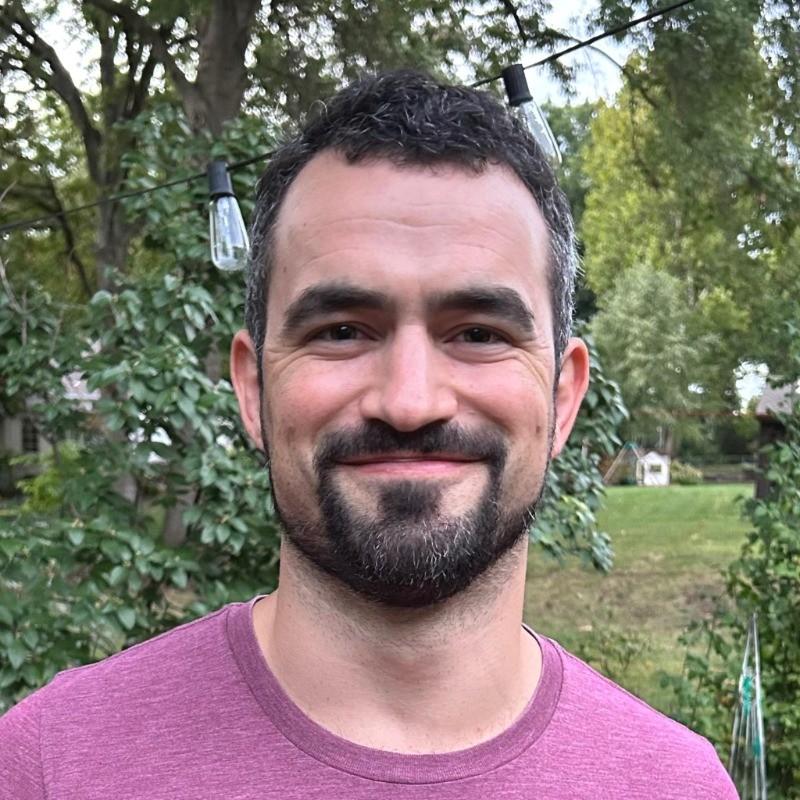
Roger Abbott founded Pure Kopi Luwak in 2018 after a trip through the volcanic highlands of Java, and has bought from the same farming families ever since. He only works with collectors of wild civet coffee, never caged. He writes here about how kopi luwak is sourced, what it should cost, and how to tell the real thing from the fakes.