On December 21, 2026, at 6:50 AM UTC, the Earth will reach the precise point in its orbit where the Northern Hemisphere is tilted as far from the sun as it gets. At that moment, in London, there will be roughly 7 hours and 49 minutes of daylight. In Helsinki, closer to 6 hours. In Reykjavik, just over 4. The night that follows — and the night before — is the longest of the year: the winter solstice, an astronomical event that every human civilization across recorded history has found too significant to simply ignore.
The Iranian celebration of Shab-e Yalda, one of the oldest surviving solstice traditions, involves families gathering through the longest night to read poetry aloud, eat pomegranates and watermelon, share dried fruits and nuts, and stay awake until dawn. The name — Shab-e Yalda means “night of birth,” and is also called Shab-e Chelleh, “the 40th night” — marks the beginning of the sun’s gradual return. Roman Saturnalia, Norse Yule, and dozens of other traditions across cultures anchor to the same astronomical moment: the night that is hardest to endure is also the night that marks the turning. After the solstice, the days lengthen.
What all of these traditions have in common is warmth, intention, and something worth tasting in the dark. Which is a strong argument for making the solstice a coffee occasion rather than just an ambient seasonal backdrop.
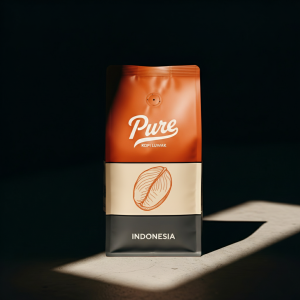
Pure Kopi Luwak
Wild civet coffee from Java. 88.5 SCA cupping score. From $125 for 100g.
Why the Solstice Is a Coffee Occasion Worth Marking
Most of us mark Christmas, or New Year’s, or Thanksgiving. These are communal occasions with established scripts — gifts, meals, specific foods, specific company. The solstice sits a few days before Christmas in the Northern Hemisphere and has no commercial apparatus around it. It’s a pure occasion: the longest night, acknowledged across cultures for millennia, carrying no obligation beyond the moment itself.
That makes it ideal for a ritual that requires attention. You can’t really taste a cup of wild kopi luwak properly while opening presents. You can taste it properly at 5 PM on December 21st when the sky has already been dark for two hours and you’re intentionally doing nothing else.
The combination of extended darkness, cold, and the specific psychological weight of the solstice creates conditions that favor sensory attention. Researchers studying ambient effects on taste perception have documented that environmental factors — temperature, lighting, even cultural expectation — influence how flavors are perceived and remembered. The solstice night, with its implicit invitation to slowness and warmth, is the kind of environment in which a careful cup of an unusual coffee lands differently than it would on a Tuesday afternoon in October.
Try the coffee this article is about
Wild-sourced from Java, 88.5 SCA cupping score, free US shipping. From $125 for 100g.
Shop Pure Kopi Luwak →What to Brew and How
The solstice occasion calls for a method that takes time and rewards attention. Pour-over — whether V60, Kalita, or French press — is better suited to this occasion than capsules or drip. The process of blooming the grounds, controlling the pour, watching the drawdown — these are not inconveniences. On the longest night, they’re the point. A ritual that takes four minutes is not a burden. It’s a deliberate choice to spend four minutes on something precise and good.
Wild kopi luwak from Java is particularly suited to a cold-night occasion. Its enzymatic processing — the proteolytic breakdown of bitter-precursor proteins in the civet’s gut — produces a cup that is notably smooth, full-bodied, and low in sharp acidity. In cold weather, when most bodies crave warmth and substance over brightness, these characteristics read as luxurious rather than merely different. A high-acid Ethiopian Yirgacheffe is brilliant in its way, but it’s a hot-afternoon coffee for many palates. Kopi luwak is an evening coffee, a firelight coffee, a solstice coffee.
The Gift That Marks the Day
If you’re thinking about this as something to give rather than something to brew for yourself, the solstice sits in a gift gap that Christmas cannot fill. Most holiday gifts arrive or are given between December 20th and 25th, in the compressed rush of the season’s peak. A kopi luwak gift with a card that says “for the longest night” is making a different gesture than “here is your Christmas gift.” It’s marking a day that most people don’t mark with anything in particular — which gives it exactly the quality of distinction that makes a gift memorable.
The Yalda tradition of gathering, tasting something rare, and staying awake together through darkness is not culturally exclusive. It’s a human instinct: when the night is longest and hardest, gather around something warm and worth sharing. Coffee is the obvious modern expression of that instinct. Wild kopi luwak is the version of that coffee that matches the occasion’s seriousness.
A Note on the Southern Hemisphere
For readers in Australia, New Zealand, Argentina, South Africa, and the rest of the Southern Hemisphere, the Northern Hemisphere winter solstice falls in the height of summer. Your solstice is June 20 or 21. The same logic applies — longest night, astronomical turning point, a moment that cultures mark because something astronomical actually is happening — but the character of the evening is different. Cold brew wild kopi luwak, drunk slowly on a warm June night in Melbourne or Cape Town, works as a solstice ritual with the same intentionality, just a different temperature and a different shade of darkness.
Keeping the Ritual Small
The best version of a solstice coffee ritual is probably the simplest: one bag set aside specifically for this occasion, brewed carefully on the evening of December 21st, drunk slowly with or without company, with the knowledge that outside the window the longest night is at its fullest. No performance required. No announcement necessary. Just the specific satisfaction of doing something intentional on a day that rewards intention.
The Shab-e Yalda tradition has survived roughly 3,000 years of political upheaval, cultural change, and whatever the ancient Persian equivalent of lifestyle trend cycles were. It survived because the underlying impulse is correct: the longest night is worth marking with something genuinely good. A cup of the world’s rarest coffee is a reasonable candidate for that role in 2026.
Pure Kopi Luwak
Wild civet coffee from Java. 88.5 SCA cupping score. From $125 for 100g.
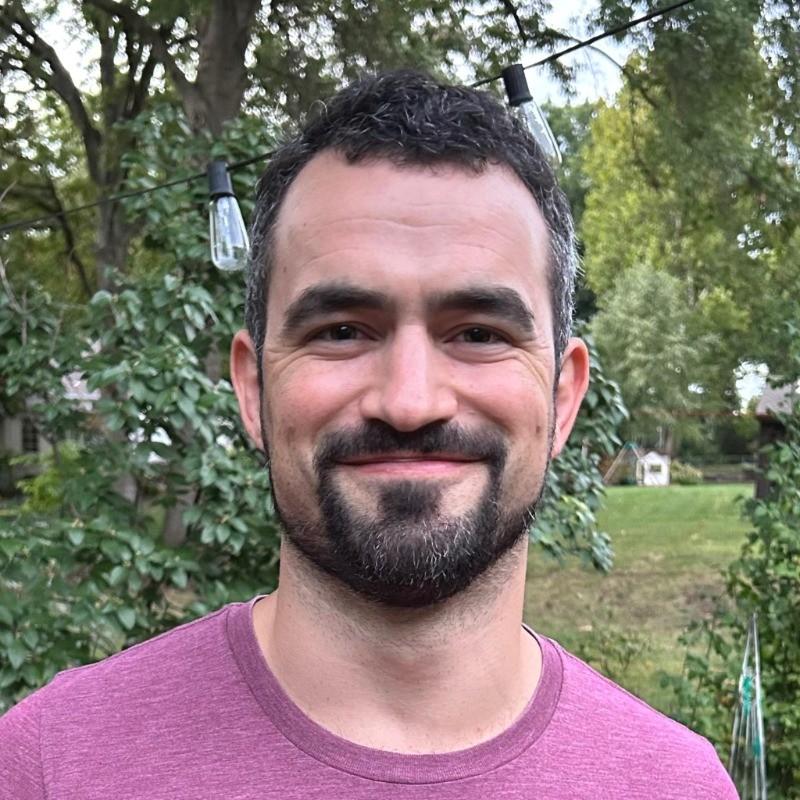
Roger Abbott founded Pure Kopi Luwak in 2018 after a trip through the volcanic highlands of Java, and has bought from the same farming families ever since. He only works with collectors of wild civet coffee, never caged. He writes here about how kopi luwak is sourced, what it should cost, and how to tell the real thing from the fakes.