Somewhere in the twenty-seventh or twenty-eighth year, most people stop drinking coffee the way they drank it in college — out of urgency, out of vending machines, without thinking — and start drinking it because they actually like it. By twenty-nine, they have a preferred brewing method. By thirty, they have opinions about roast levels. The thirtieth birthday is not the beginning of that evolution; it is its arrival.
Research tracking coffee consumption by age group places the 30-to-44 cohort at the top of per-capita specialty coffee consumption in the United States, according to a 2026 analysis published by Cafely. This isn’t coincidence. The thirties are when taste preferences calcify into something more durable than trend-following and more specific than vague preference. What someone drinks at 30 reflects genuine taste in a way that what they drank at 22 usually didn’t.
The 30th birthday gift, if it’s going to be remembered, should meet that level of taste rather than precede it.
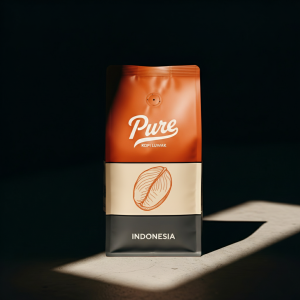
Pure Kopi Luwak
Wild civet coffee from Java. 88.5 SCA cupping score. From $125 for 100g.
What’s Actually Different About Turning 30
The psychological literature on decade birthdays describes them as “turning-point” moments — occasions when people take stock of their lives relative to their expectations in a way that quarterly or annual milestones don’t prompt. The 30th has a particular charge because it closes the chapter that most social narratives treat as formative. The twenties are, culturally, the decade of becoming. The thirties are when you become what you’ve been becoming.
That transition carries its own emotional complexity, but it also carries something useful: permission. Permission to have actual preferences, to spend money on quality without apologizing for it, to acknowledge that you are old enough to know what you like. In coffee terms, this is the birthday where someone who has been drinking good specialty coffee can try the best coffee there is, without feeling like they’re reaching beyond their station.
Why Wild Kopi Luwak Fits This Moment
Wild kopi luwak — genuine civet coffee from the highland farms of Java — is the coffee you give when the occasion is specific enough to justify what you wouldn’t buy on a random Tuesday. It occupies a category apart from even excellent specialty coffee: produced in small quantities by a process that cannot be industrialized, tasting different from every other coffee because the chemistry is structurally different.
The process: Asian palm civets (Paradoxurus hermaphroditus) forage across Javanese coffee farms after dark, selecting peak-ripe cherries by scent and taste. The beans pass through their digestive tract over 12 to 24 hours, during which gastric enzymes partially hydrolyze the proteins responsible for bitterness in the finished cup. The result is noticeably smoother than comparable Arabica processed by conventional methods — lower bitterness, softer acidity, richer body, with chocolate and dried fruit notes that emerge clearly in the midrange. Food chemistry research has documented the measurable reduction in organic acids and bitterness precursors that civet digestion produces. The flavor difference is real, and it’s exactly the kind of difference that someone with a developed palate will appreciate.
A 100g bag of Pure Kopi Luwak yields around ten cups — ten mornings that are meaningfully better than the usual routine. That is the register of the gift: not a monument, but a sustained experience that punctuates a transition.
The Alternative Gifts and Why They Don’t Land the Same Way
The standard 30th birthday gift for a coffee drinker falls into two categories: equipment or an experience. Equipment (a grinder upgrade, a nice gooseneck kettle, a Chemex) is useful but impersonal in the way all tools are impersonal. It optimizes a habit rather than elevating an occasion. A brunch or dinner experience is pleasurable but ephemeral.
Wild kopi luwak is neither of these. It’s consumable, which means it won’t become clutter; it’s experiential, which means it creates actual memories; and it’s rare, which means it signals genuine effort and thought on the part of the giver. Most gifts are one of the three. This is all three simultaneously.
There’s also the story dimension that a gift like this carries in a way that equipment doesn’t. Kopi luwak has been part of Javanese coffee culture for well over a century — the origin story, documented in historical accounts of Dutch colonial-era plantation workers discovering that civet-processed beans produced a distinctly smooth cup, is part of what the recipient receives. They’re tasting something with genuine provenance, not a premium branding exercise.
Buying It Right
The single most important thing to know about buying kopi luwak as a gift is that the vast majority of commercially available kopi luwak — including much of what appears on Amazon — is cage-farmed, produced under conditions that compromise both animal welfare and cup quality. Wild-sourced kopi luwak, collected from free-roaming civets, is a different product in every meaningful sense: the starting material is better (wild civets select peak-ripe cherries; caged civets are fed indiscriminate, often poor-quality fruit), and the animal’s digestive chemistry functions as it evolved to, rather than under stress.
The wild vs. caged comparison explains the difference in detail. For someone turning 30, the quality distinction matters — they have the palate to notice it, which is precisely why this is the right birthday to make the upgrade.
Thirty is the age when quality starts feeling less like an indulgence and more like a reasonable expectation. The gift that fits is the one that meets that expectation — and then exceeds it.
Pure Kopi Luwak
Wild civet coffee from Java. 88.5 SCA cupping score. From $125 for 100g.

Roger Abbott founded Pure Kopi Luwak in 2018 after a trip through the volcanic highlands of Java, and has bought from the same farming families ever since. He only works with collectors of wild civet coffee, never caged. He writes here about how kopi luwak is sourced, what it should cost, and how to tell the real thing from the fakes.