The bag arrives. It is smaller than you expected — 100g is a palm-sized package — and heavier with implication than with mass. You’ve read about it. You know the broad outline: a palm civet in the forests of Java, the ripe coffee cherries it selects at night, the enzymatic transformation that happens over the next twenty-four hours. What you don’t know yet is what it actually tastes like. That uncertainty is the best part of the first cup, and it is worth approaching deliberately.
Here is what to do, and what to expect.
Before You Grind: Get the Variables Right
The first thing to set aside is the impulse to experiment. With a $125 bag containing roughly eight to twelve cups, every variable you control incorrectly costs you. This is not the bag to figure out your grinder’s calibration or test a new brewing ratio. Lock in the basics before you open it.
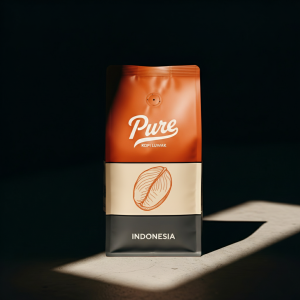
Pure Kopi Luwak
Wild civet coffee from Java. 88.5 SCA cupping score. From $125 for 100g.
Grind to medium-coarse — the texture of coarse kosher salt. This setting works across pour-over, French press, and drip methods, which are the three formats that suit kopi luwak best. Espresso is viable if you have a properly dialed-in machine, but espresso concentrates everything including any inconsistencies in extraction, and a first cup is not the moment to test those variables.
Use filtered water at 93 to 96°C. Water straight off a rolling boil (100°C) over-extracts and can produce a harsh result even from beans with low bitterness potential. Pull the kettle thirty seconds before pouring. If you have a temperature-controlled kettle, set it to 94°C and don’t think about it further.
The Ratio and the Bloom
Use 10g of ground coffee to 150ml of water — a 1:15 ratio. This is on the stronger side of the specialty coffee range, but kopi luwak’s full body means it holds up to a denser ratio better than more delicate coffees. If you prefer a lighter cup, move to 1:16. What you should not do is go lighter than that: at 1:17 or 1:18, the body thins enough that you lose the most distinctive characteristic of the coffee.
If you’re using a pour-over method, begin with a bloom: pour just enough water to saturate the grounds — roughly twice the weight of the coffee — and wait 45 seconds. You will see the grounds swell and release CO₂, the sign of fresh-roasted beans. The bloom activates the extraction; skipping it produces a slightly flatter, more muted cup. Continue pouring in a slow, steady spiral, finishing within about two minutes. Total brew time for pour-over should land between three and four minutes.
The First Sip
Let the cup sit for one to two minutes after brewing. This is not excessive patience — kopi luwak’s flavor profile opens as it cools, and the first sip at full brewing temperature tells you less than the second sip at 68 to 70°C.
The thing that registers first, almost universally, is what is absent. There is no bitterness at the back of the throat. The finish is clean and long — it extends for ten to fifteen seconds without turning harsh. Most people who have only drunk commercial Arabica or dark roasts spend the first few seconds processing the absence, trying to locate the expected arrival of bitterness that never comes.
What fills that space is the body: full, slightly dense, with a warmth that reads as chocolate rather than roasted grain. The midpalate notes arrive after the initial impression — dark cocoa, dried fruit, a faint earthiness that grounds the cup without making it heavy. The finish is caramel-adjacent, long, and clean.
What It Doesn’t Taste Like
It doesn’t taste like poop. This is the question everyone is quietly carrying into the first sip, and it deserves a direct answer. The beans are thoroughly washed after collection, dried, and roasted to a temperature that eliminates any biological residue. What the civet’s digestive process contributes is enzymatic modification of the bean’s chemistry, not flavor compounds from the digestive system itself. The cup tastes like coffee — specifically, like an unusually smooth, full-bodied Java Arabica with lower bitterness than you expected and a chocolate character that lingers after the cup is finished.
It also doesn’t taste exotic in the way that some premium coffees do — no jasmine, no bergamot, no tropical fruit cascade. Wild kopi luwak is not Gesha. It is not a coffee designed to surprise you with brightness. It is a coffee designed to be the most effortless, rounded, and satisfying version of the thing it is — and the surprise, when it arrives, is how complete the experience feels without any of the sharp notes that most coffee relies on for drama.
What to Do With the Rest of the Bag
Store the remaining beans in an airtight container, away from light, at room temperature. Do not freeze them — the moisture introduced during thawing degrades quality faster than proper ambient storage. Do not store them in the fridge. A vacuum-seal jar or the bag’s own one-way valve pouch, sealed tightly, is sufficient.
Plan to use the bag within six to eight weeks of opening. The flavors are most distinct in the first few weeks after roasting. Each cup after the first is an opportunity to refine your ratio, adjust your grind, try a different pairing, or simply settle into the ritual of brewing something rare with appropriate attention.
The first cup is for the experience. The rest of the bag is for understanding. Both are worth what you paid.
Pure Kopi Luwak
Wild civet coffee from Java. 88.5 SCA cupping score. From $125 for 100g.
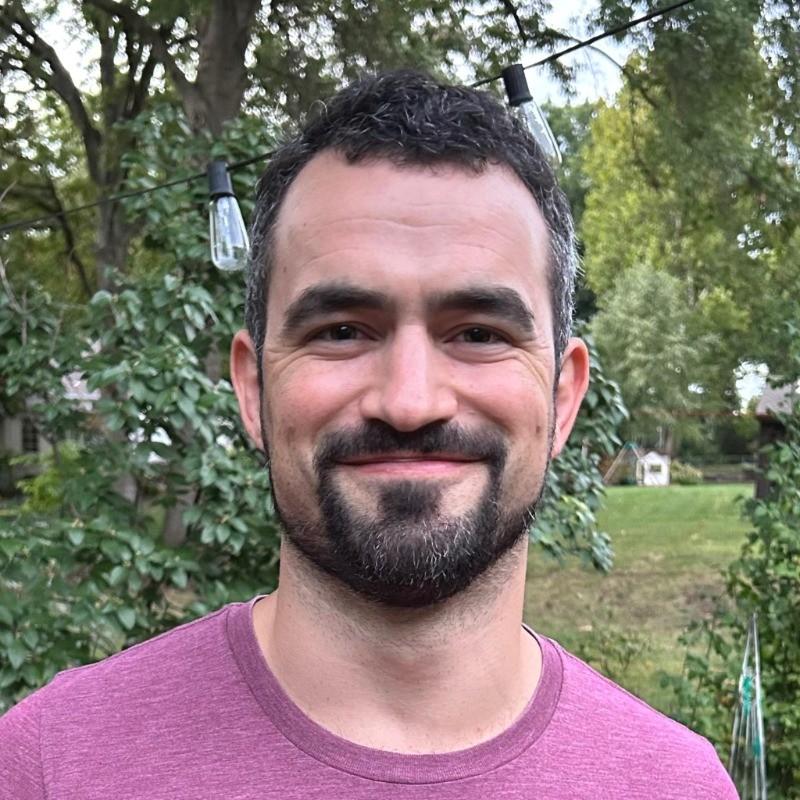
Roger Abbott founded Pure Kopi Luwak in 2018 after a trip through the volcanic highlands of Java, and has bought from the same farming families ever since. He only works with collectors of wild civet coffee, never caged. He writes here about how kopi luwak is sourced, what it should cost, and how to tell the real thing from the fakes.