The 2023 National Coffee Association Data Trends report found approximately 63% of Americans drink coffee daily — which leaves 37% who don't, and a significant portion of that group actively dislikes the beverage rather than being indifferent to it. Ask most of them why, and the answer is consistent: it's too bitter. Too harsh. They tried it, it tasted unpleasant, and they filed the information under personal identity. I'm not a coffee person.
The thing is, they almost certainly tried the wrong coffee. Not the wrong brand — the wrong category entirely. Most people's first coffee experiences involve over-extracted drip coffee, cheap espresso, or drive-through beverages that use bitterness as a feature because it's what the majority of the market expects. None of that resembles what coffee tastes like when the production process is optimized for the opposite characteristic.
Where Coffee Bitterness Actually Comes From
Bitterness in coffee originates from a specific set of compounds: chlorogenic acid degradation products, quinic acids, and certain proteins that, when subjected to roasting heat, produce the sharp flavor most people associate with coffee. The degree of bitterness depends on three things: the quality and ripeness of the original cherry (under-ripe cherries produce more bitter precursors), the roast level (darker roasts amplify bitterness), and the extraction method (over-extraction amplifies bitter compounds regardless of bean quality).

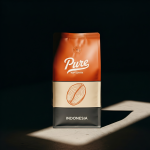
Pure Kopi Luwak
Wild civet coffee from Java. 88.5 SCA cupping score. From $125 for 100g.
Specialty coffee has spent two decades working on bitterness reduction through better sourcing, lighter roasts, and controlled extraction. These efforts have meaningfully raised the ceiling. But there is a ceiling to what roasting and brewing optimization can achieve with conventionally handled coffee — one that requires a fundamentally different approach to the beans themselves to exceed.
What Civet Processing Changes in the Bean
Wild kopi luwak — coffee passed through the digestive tract of Asian palm civets (Paradoxurus hermaphroditus) on Javanese highland farms — differs from conventional coffee in ways that are measurable. During the 12-24 hours beans spend in the civet's digestive system, proteolytic enzymes — primarily serine proteases produced by the animal's pancreas and intestinal lining — partially hydrolyze specific proteins in the bean's outer layers. Some of those proteins are direct precursors to the bitter compounds that develop during roasting. Their partial breakdown before roasting reduces the bitter potential of the finished cup.
Research published in food chemistry literature has documented lower concentrations of malic and citric acids in kopi luwak compared to conventionally processed beans from the same origin — contributing to reduced sharpness and a cleaner finish. The result is coffee that tasters consistently describe as unusually smooth. People who have spent years convinced they dislike coffee have tried wild kopi luwak and found that they dislike bitterness, not coffee itself. Those are not the same thing.
Who This Coffee Is Actually For
The person most likely to be converted by wild kopi luwak is not the specialty coffee enthusiast who already drinks light-roasted single-origins. The most interesting candidate is someone who:
- Has tried multiple coffees and finds them all too harsh without modification
- Can drink milky coffee — lattes, flat whites, cortados — without difficulty, but finds black coffee unpleasant. The milk in those drinks is doing bitterness-reduction work that kopi luwak's production process does itself, before the cup is made.
- Enjoys the smell of coffee but finds the taste disappointing by comparison
- Has switched to tea not because they love tea, but because coffee doesn't agree with them
For all of these people, the experience of drinking wild kopi luwak brewed black as a pour-over — nothing added, no correction — is often genuinely surprising. The chocolate notes and syrupy body arrive where bitterness was expected. The finish is sweet rather than sharp. The coffee they've been avoiding doesn't taste like this.
A Practical Note on Introduction
For someone new to coffee or returning after a negative history with it, brewing method matters more than for habitual drinkers. V60 pour-over or French press are the right starting points — both forgiving, neither requiring specialized equipment, and both preserving the full flavor profile without the extraction pressure of espresso that could amplify any remaining bitterness.
A starting ratio of 1:16 (15 grams of coffee to 240ml of water) at 90-93°C produces a gentle, clearly flavored cup. The lower temperature is forgiving and unlikely to introduce sharpness. No sugar needed — though adding a small amount is valid — because the point is to taste what the coffee actually is rather than what you've been told coffee tastes like.
If someone in your life has written off coffee, wild kopi luwak is worth the experiment. The tasting notes — dark chocolate, mild clean earthiness, sweet long finish, notably absent bitterness — describe a cup categorically different from what caused that negative memory. Sometimes a negative identity is accurate. Sometimes it was formed against the wrong thing, at the wrong temperature, from the wrong source. Wild kopi luwak is a reasonable test of which situation you're in.
Pure Kopi Luwak
Wild civet coffee from Java. 88.5 SCA cupping score. From $125 for 100g.

Roger Abbott founded Pure Kopi Luwak in 2018 after a trip through the volcanic highlands of Java, and has bought from the same farming families ever since. He only works with collectors of wild civet coffee, never caged. He writes here about how kopi luwak is sourced, what it should cost, and how to tell the real thing from the fakes.