In 1983 — though Dick Bradsell’s daughter Beatrice, in a 2025 interview, suggested the actual date may have been closer to 1985 and connected the creation to filming activity near the Soho Brasserie on Old Compton Street in London — a bartender built an off-menu drink for a customer who reportedly asked to be “woken up and then messed up.” Dick Bradsell combined fresh espresso, vodka, coffee liqueur, and simple syrup into something that cycled through several names over the following decade: the Vodka Espresso, the Pharmaceutical Stimulant, eventually the Espresso Martini. Bradsell died in 2016, celebrated for having also invented the Bramble, the Russian Spring Punch, and a handful of other cocktails that became industry standards. By 2022, his most famous creation was the most-ordered cocktail in both the UK and Australia. By 2025, it was a global standard.
The drink’s resurgence tracks the same demographic dynamics that drove cold coffee’s rise: a generation drinking less alcohol, looking for sophisticated post-dinner options, finding that coffee-based cocktails sit comfortably in both territories. What has not changed, despite the drink’s elevation to classic status, is the coffee in it. In most bars and home kitchens, the espresso in an espresso martini is whatever is in the machine. The drink’s structure tolerates this — until you taste one made with something genuinely exceptional, at which point the gap becomes obvious and immediate.
What Changes With Wild Kopi Luwak
A standard espresso martini works on contrast: the bitterness of the espresso against the sweetness of the coffee liqueur, the heat of the vodka balanced against the shaken-cold temperature of the drink. The bitter edge is load-bearing. It creates the tension that makes the cocktail interesting, and it is why commercial espresso works adequately in the recipe — the bitterness provides structural counterpoint even when the underlying coffee is unremarkable.
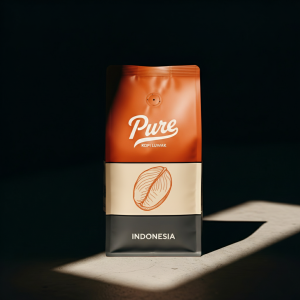
Pure Kopi Luwak
Wild civet coffee from Java. 88.5 SCA cupping score. From $125 for 100g.
Wild kopi luwak espresso changes this geometry. The proteolytic enzyme modification that occurs during civet digestion — partial hydrolysis of protein-based bitter precursors in the green bean — produces a shot measurably smoother and less bitter than conventional Arabica at comparable roast levels. In the cocktail, this does not eliminate the coffee character; it refines it. The bitterness recedes. The chocolate and caramel notes in the middle register come forward. The finish is longer and cleaner, without the slightly harsh aftertaste that astringent extraction can leave after a commercial espresso martini.
The result is an espresso martini that tastes like the best version of itself — the one the drink was always moving toward but could not reach with ordinary beans. Pure Kopi Luwak, wild-sourced from Java’s highlands, is the ingredient that closes that gap.
Try the coffee this article is about
Wild-sourced from Java, 88.5 SCA cupping score, free US shipping. From $125 for 100g.
Shop Pure Kopi Luwak →The Recipe
For two cocktails: 60ml espresso brewed from wild kopi luwak (two shots, ground fine, 25 to 30 seconds extraction from 12 to 13 grams); 80ml vodka (a clean, neutral style integrates better than heavily flavored alternatives — Grey Goose or Belvedere work well); 30ml coffee liqueur (Kahlua is the classic reference, but Mr Black — the Australian single-origin coffee liqueur, significantly less sweet than Kahlua — is currently the choice in serious cocktail programs and pairs particularly well with kopi luwak’s natural sweetness); 15ml simple syrup, which may be unnecessary given how much natural sweetness the kopi luwak espresso contributes.
Method: Brew the espresso first and let it cool slightly — below 60 degrees Celsius but still warm — so the shaker ice does not immediately dilute the drink. Add all components to a shaker with generous ice. Shake hard for 15 to 20 seconds — longer than a standard cocktail shake, to properly emulsify the espresso oils and generate the foam that has become the drink’s visual signature. Strain into two chilled coupe glasses. The foam should hold for several minutes with good shaking technique. Garnish with three whole espresso beans centered on the foam.
Getting the Shot Right
The kopi luwak espresso for this cocktail should be pulled slightly longer and slightly less concentrated than you would drink it straight — a 60ml output over 30 seconds from 12 to 13 grams gives an extraction that integrates better with the liqueur and vodka than a tight ristretto would. For straight kopi luwak espresso, you would dial toward shorter and more concentrated; for the cocktail, the goal is the coffee’s aromatic presence and enough body to carry through dilution. The lower natural bitterness of wild kopi luwak means you can afford the slightly longer extraction without the harshness that would appear in a conventional dark roast at the same parameters.
The Gift Version
A bottle of Mr Black coffee liqueur alongside a 100-gram bag of wild kopi luwak, with a handwritten recipe card — approximately $150 to $175 total — is one of the stronger cocktail gifts available in that price range. It works for anyone who drinks both coffee and cocktails, which covers most adults who entertain at home. It is specific, it is rare, and it generates a story told twice: once when you give it, once when they make it at the dinner party where guests ask where they found espresso this good.
The gifting logic for kopi luwak always runs through rarity and story. An espresso martini kit built around the world’s most interesting espresso is both simultaneously — an experience with a history, made at home, with an ingredient that most people in the room will never have encountered before. Dick Bradsell built a drink for a customer who wanted to be woken up and then messed up in the same glass. Forty-plus years later, the best possible version of it starts with a civet in Java, making choices in the dark.
Pure Kopi Luwak
Wild civet coffee from Java. 88.5 SCA cupping score. From $125 for 100g.
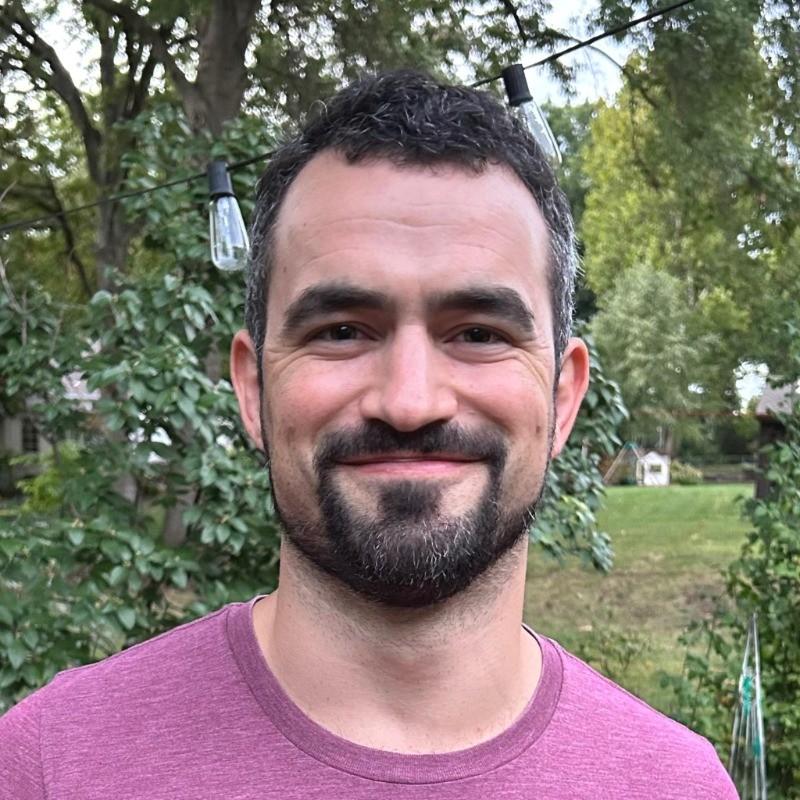
Roger Abbott founded Pure Kopi Luwak in 2018 after a trip through the volcanic highlands of Java, and has bought from the same farming families ever since. He only works with collectors of wild civet coffee, never caged. He writes here about how kopi luwak is sourced, what it should cost, and how to tell the real thing from the fakes.