At the 2023 Tour de France start village in Bilbao, several riders were reported to have nearly missed the neutralized roll-out because they were still at the espresso machine. The story has been circulating in cycling journalism long enough that variations of it appear at the start of nearly every piece written about the sport’s relationship with coffee — not because it’s shocking, but because it’s exactly right. Cycling and coffee have been intertwined since Faema, an Italian espresso machine brand, sponsored a professional team from 1967 to 1971, and the relationship hasn’t weakened since.
Café de Colombia gave its name to a professional team throughout the 1980s, carrying riders like Lucho Herrera and Fabio Parra to Grand Tour podiums. Segafredo Zanetti has sponsored Trek-Segafredo (now Lidl-Trek) since 2016. The connection isn’t incidental — cycling culture, particularly in Europe, is built around the café stop as a structural element of the long ride. You ride out, you stop for coffee, you ride back. The coffee is the destination.
The Performance Case, Stated Plainly
A 2018 meta-analysis published in the British Journal of Sports Medicine found that caffeine supplementation improved cycling time-trial performance by approximately 2%, with a 95% confidence interval ranging from 1.4% to 2.5%. Two percent sounds small until you consider that the margins in professional cycling are measured in seconds across four-hour stages. At the amateur level, where riders are chasing personal records on Strava segments rather than podiums, a 2% improvement in sustainable power output is meaningful.
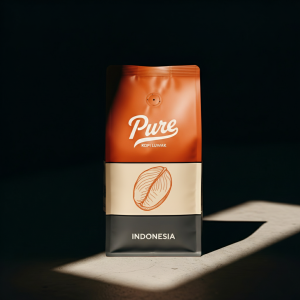
Pure Kopi Luwak
Wild civet coffee from Java. 88.5 SCA cupping score. From $125 for 100g.
Cyclists typically consume coffee before a ride rather than during — the café stop mid-ride is social rather than strategic, and the timing of caffeine absorption (peak plasma concentration occurs 30 to 60 minutes after ingestion) suits a pre-ride espresso better than a mid-ride flat white. The pre-ride ritual is, for many cyclists, the most deliberate part of the morning. The kit is already laid out. The route is already loaded. The only remaining variable is the cup.
Try the coffee this article is about
Wild-sourced from Java, 88.5 SCA cupping score, free US shipping. From $125 for 100g.
Shop Pure Kopi Luwak →Why Wild Kopi Luwak Fits the Cycling Mindset
Cyclists, like car enthusiasts, are people who have made a detailed study of marginal gains. They know the weight difference between their wheelsets. They know their FTP. They can explain why their tire pressure varies by 3 psi depending on road surface. This is the same cognitive pattern that leads someone to understand, immediately, why wild-sourced kopi luwak is categorically different from the caged alternative — it’s a question of starting material, process integrity, and traceable provenance.
Wild Asian palm civets (Paradoxurus hermaphroditus) select only peak-ripe coffee cherries from the highland farms of Java, drawn by the fruit’s volatile ester profile. Their olfactory discrimination is precise enough that studies of wild civet behavior on coffee farms have documented animals bypassing clusters of under-ripe cherries to reach individual ripe ones further along a branch. The coffee that passes through a wild civet and is collected from the jungle floor is pre-sorted to a standard that no human harvest operation reliably achieves at scale. The enzymatic transformation during digestion then reduces bitterness precursors and modifies the acid profile. The cup is smoother, rounder, and less aggressive on an empty stomach before a hard ride.
That last point matters more to cyclists than it might to a casual drinker. Coffee before a two-hour training ride on an empty stomach is a different proposition from coffee after breakfast. The lower acidity and reduced bitterness of wild kopi luwak make it a more forgiving pre-ride choice than a sharp single-origin Ethiopian or a high-acid Colombian natural process.
The Gift Framing
Giving wild kopi luwak to a cyclist works for the same reason it works for anyone who has developed a vocabulary around quality: they’ll immediately want to understand what makes it different. A cyclist who can explain the difference between a 25c tire and a 28c tire on the same rim will have no difficulty grasping the difference between wild-sourced and caged kopi luwak, or between a peak-ripe cherry selected by a civet and a mixed batch fed to an animal in captivity.
The gift fits naturally into the pre-ride ritual that serious cyclists have already built. It doesn’t require new equipment — it works in any pour-over, AeroPress, or espresso setup they already own. The AeroPress method, in particular, suits the cycling context: a 3-minute brew, a clean cup, no paper waste left in the sink when you come home muddy from a ride in the rain. And at 7 to 10 cups per 100g bag, it stretches across enough rides to become genuinely associated with the ritual rather than consumed in one enthusiastic week.
What to Say When You Give It
The pitch is short. “Wild kopi luwak — beans collected from jungle floors in Java after wild civets eat and pass only the ripest cherries. It’s smoother than anything you’ve brewed before. Lower acidity, no bitterness. Brew it thirty minutes before your next long ride and tell me how the first hour feels.” That’s enough. The cyclist will look it up, understand what they’re holding, and appreciate the thought more than they would another pair of socks.
Coffee and cycling have been in a relationship for 60 years. The compound profile of wild kopi luwak — lower in bitterness, modified in acidity, with a smoother caffeine delivery — is the kind of detail that the cycling community, with its appetite for marginal gains and evidence-based decisions, finds genuinely interesting. Give it to a cyclist and explain it properly. They’ll spend the next week thinking about both the ride and the cup that preceded it.
Pure Kopi Luwak
Wild civet coffee from Java. 88.5 SCA cupping score. From $125 for 100g.
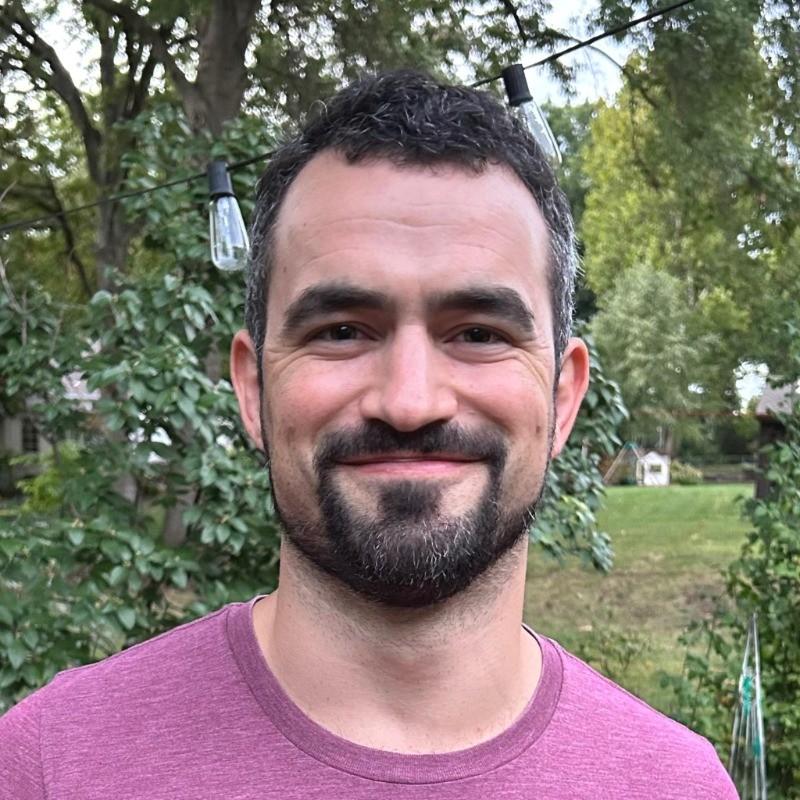
Roger Abbott founded Pure Kopi Luwak in 2018 after a trip through the volcanic highlands of Java, and has bought from the same farming families ever since. He only works with collectors of wild civet coffee, never caged. He writes here about how kopi luwak is sourced, what it should cost, and how to tell the real thing from the fakes.