Every year, in the days before Korea’s Chuseok holiday — the mid-autumn harvest festival that falls on the 15th day of the eighth lunar month, with 2026’s holiday running October 5–7 — department stores across Seoul, Busan, and Daejeon fill their floors with gift sets. Fruit boxes tower near the entrance: Naju pears in pale green tissue paper, Fuji apples arranged in neat rows, gift-wrapped parcels of Hanwoo beef. These are the conventional Chuseok gifts, and they are good ones. They represent prosperity, care, and seasonal generosity. They are also, by mid-October, what approximately ten million Korean households are sending to approximately ten million other Korean households simultaneously.
South Korea’s coffee market was valued at ₩17 trillion — approximately $13 billion — in 2025, accounting for 30.8 percent of the entire national beverage market: more than carbonated drinks, teas, and juices combined. Expert Market Research projects growth at 9.7 percent CAGR through 2035. South Korea is not a country that is discovering coffee. It is a country that has been in a serious, expensive, sophisticated relationship with coffee for years — with specialty roasters, barista championships, and a consuming public that understands the difference between a pour-over brewed at 93°C and one brewed at 91°C. The Korean coffee drinker is not a casual participant. They are an audience for a gift of wild kopi luwak from Java — rare, traceable, expensive for reasons that make sense.
Chuseok Gift-Giving: The Logic and the Expectation
Chuseok gift-giving in modern Korea operates across multiple relationships simultaneously: family (sent to parents and in-laws), colleagues (distributed through workplaces, often as group gifts from management to staff), and clients (high-value business gifts from companies to key relationships). The premium food gift segment — expensive fruit sets, prime meat, specialized traditional foods, imported delicacies — is the most respected tier of Chuseok giving. It says: I thought about quality, not just convention.
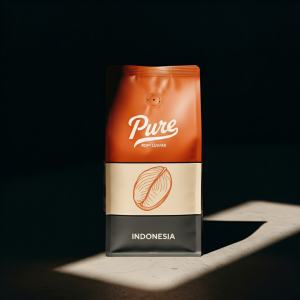
Pure Kopi Luwak
Wild civet coffee from Java. 88.5 SCA cupping score. From $125 for 100g.
A survey by the Korea Agro-Fisheries and Food Trade Corporation found that fruit and beef remain the top Chuseok gift categories by volume, but premium and differentiated gifts — imported luxury foods, specialty confections, high-end beverages — are growing in the segment of givers who want to be remembered rather than merely appreciated. The distinction matters in Korean gift-giving culture: Chuseok gifts are remembered and discussed. The family will talk about the exceptional pear set from a particular sender for weeks. The exceptional coffee from someone who understood that South Korea’s coffee culture is serious enough to receive something serious will be mentioned in the same tone.
Try the coffee this article is about
Wild-sourced from Java, 88.5 SCA cupping score, free US shipping. From $125 for 100g.
Shop Pure Kopi Luwak →The Indonesia-Korea Connection
Indonesia is South Korea’s largest single-country source of coffee imports by volume. The two nations have a long agricultural trade relationship, and Indonesian Arabica coffees — particularly from Java, Sumatra, and Sulawesi — have been part of Korean café culture for decades. The specialty coffee movement in Korea has deepened this relationship: Korean specialty roasters import directly from specific Indonesian farms, and the provenance conversation that serious Korean coffee consumers are used to having is exactly the conversation that wild kopi luwak enables.
A bag of wild kopi luwak from Java arriving as a Chuseok gift to a Korean coffee enthusiast is not exotic in the way it might seem to someone unfamiliar with Korean coffee culture. It’s a highly specific, highly credible choice from a supply chain the recipient already understands. What they may not have experienced is the wild-sourced version — the one produced by free-roaming civets on highland Java farms rather than the caged-production versions that dominate international retail. The story that differentiates those two things is one a Korean coffee drinker will follow closely and appreciate fully.
What Makes It Appropriate for the Occasion
Chuseok gift etiquette favors premium packaging, clear provenance, and objects that communicate effort rather than convenience. A bag of wild kopi luwak scores on all three. The packaging is minimal but the provenance documentation — wild-sourced, Java-origin, small-batch production — is legible and specific. The gift is not something the recipient could have picked up at the corner convenience store. It requires knowing something about coffee, knowing something about Indonesia, and knowing something about the person you’re giving it to.
The traditional songpyon rice cakes of Chuseok are made with pine needles, which impart a subtle resinous fragrance. Wild kopi luwak, brewed by pour-over and served alongside songpyon after the evening meal, produces a pairing that’s genuinely good — the low bitterness and dark chocolate finish of the coffee do not compete with the rice cake’s delicate sweetness. That’s not a coincidence; it’s a reflection of what naturally smooth, enzymatically processed coffee does with complex flavors. It frames rather than dominates.
The Budget in Korean Context
Premium Chuseok gift sets in Korea typically run between ₩100,000 and ₩300,000 ($75–$225) for the upper tier of giving. A 100g bag of wild kopi luwak at $125 (approximately ₩170,000 at current exchange) sits comfortably in that range and above the noise of commodity premium sets. For a business relationship or a significant family gift, the 250g option at $199 (approximately ₩270,000) is appropriate and signals the right level of consideration.
For context on what else this money buys in the premium coffee world, a look at what the world’s most expensive coffees cost and why shows that wild kopi luwak consistently occupies the same tier as Jamaican Blue Mountain, Panama Gesha, and other names that Korean specialty coffee consumers already know. It is not priced like a novelty. It is priced like what it is: a coffee produced in quantities of less than 200 kilograms annually by wild animals that cannot be instructed, managed, or scaled. That scarcity is verifiable. That’s worth giving.
If you’re sending internationally, wild kopi luwak ships to South Korea via international express and arrives within a week. If you’re purchasing on behalf of a Korean recipient living outside Korea, the regional luxury food gift culture across East Asia provides useful context for how similar occasions are approached — and why premium coffee from Indonesia lands consistently well across the full spectrum of Asian gifting traditions.
Pure Kopi Luwak
Wild civet coffee from Java. 88.5 SCA cupping score. From $125 for 100g.
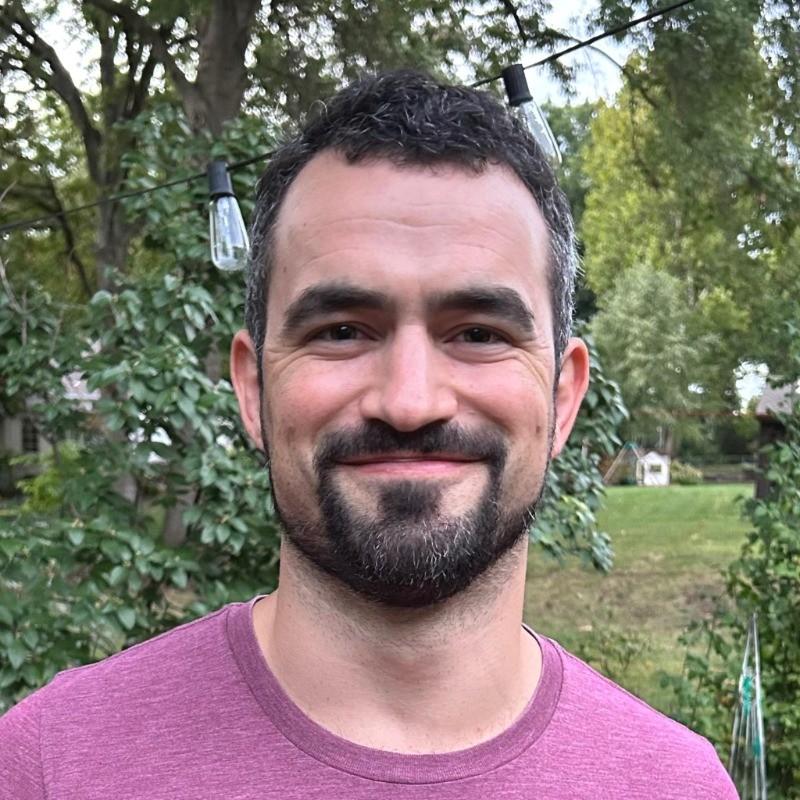
Roger Abbott founded Pure Kopi Luwak in 2018 after a trip through the volcanic highlands of Java, and has bought from the same farming families ever since. He only works with collectors of wild civet coffee, never caged. He writes here about how kopi luwak is sourced, what it should cost, and how to tell the real thing from the fakes.