The pod machine in the break room has been there since before anyone can remember. Nobody chose it deliberately. It arrived — as most office furniture arrives — during a period of expansion, without much deliberation, and it has produced something that approximates coffee ever since. Warm. Caffeinated. Reproducible. Satisfying none of these things particularly well.
A Staples workplace survey found that 37 percent of office workers consider good coffee meaningfully important to their workplace experience — roughly the same percentage who cite good lighting and ergonomic seating. The number is high enough to take seriously, and low enough to explain why most offices still run on pod machines.
Single-use coffee pods represent a specific set of tradeoffs. They are consistent, fast, and require no expertise to operate. They also account for approximately 56 billion plastic and aluminum capsules annually worldwide, and they deliver coffee ground months before use, stored under pressure, from beans typically not high enough quality to survive that format’s flavor degradation.

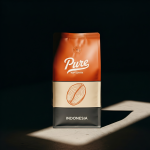
Pure Kopi Luwak
Wild civet coffee from Java. 88.5 SCA cupping score. From $125 for 100g.
None of this is the main point. The main point is that a workplace can be a surprisingly receptive environment for one genuinely excellent cup.
What Happens When You Bring Good Coffee to the Office
A 100g bag of wild kopi luwak from Java brewed in an office break room produces approximately ten to twelve cups, depending on grind size and brew method. That is not enough to replace the pod machine for a week. It is more than enough to generate a morning where several people taste something they have never tasted before and ask questions about where it came from.
This is not nothing. Shared food and drink experiences in workplace settings have a documented social function. The coffee break, as an institution, exists because communal consumption is one of the most efficient ways to create informal conversation across hierarchy — the kind that happens in fifteen minutes and changes the tone of the day. What you consume during that break matters more than the pod industry would like you to believe.
Wild kopi luwak works in this context because of its story. The process — wild Asian palm civets selecting peak-ripe Arabica cherries in the volcanic highlands of West Java, the enzymatic transformation during digestion, the hand-collection from the forest floor, the careful medium roasting that preserves the complexity the process creates — is interesting to people who do not follow specialty coffee. It does not require prior knowledge. It requires only that someone explain it, which takes about ninety seconds.
The Economics
A pod machine serving a team of four typically goes through four to eight pods per workday. At approximately $0.70 per pod, that is roughly $1,400 to $2,800 annually for four people — producing results most of those four people would describe, if pressed, as acceptable. A 100g bag of wild kopi luwak at $125 serves the same four people approximately three exceptional mornings. The cost per cup runs roughly $10 to $12, within the range of what a single cup of specialty coffee costs at a premium cafe in any major city.
The comparison is not meant to suggest kopi luwak should replace the pod machine — it is not designed for daily volume. What it suggests is that the monthly coffee budget for an office already accommodates, in principle, the cost of one or two exceptional bags per year: brought in for a notable occasion, a successful quarter, a team milestone, or a visiting client who drinks coffee and will notice what they have been given.
When to Use It at the Office
The most natural occasions for introducing wild kopi luwak into a workplace setting are the ones that already have ceremony attached. A client meeting where the coffee you serve communicates something about how seriously you take quality. A team gathering at the end of a long project. A new hire’s first morning, handled better than a vending machine would handle it. A Friday in autumn when the weather has turned and someone decides to make a proper pot of something exceptional.
In each case, the coffee is secondary to the occasion — but the quality changes the texture of the occasion. This is the same reason high-end restaurants care about their coffee program after a three-course meal: everything up to that point was done carefully, and an indifferent final cup contradicts all of it. A break room pod machine contradicts nothing, because it operates in a context without contradictions. But on the specific morning when something better is warranted, the contrast is significant.
The Practical Questions
Brewing kopi luwak in an office does not require specialized equipment. A standard pour-over setup — a Chemex or V60, a gooseneck kettle that heats water to 92 degrees Celsius — fits on a break room counter and produces twelve cups without much effort. The whole process takes about twenty minutes, including time to grind the beans and let the water settle to the right temperature.
If the office already has an AeroPress or French press gathering dust, those work too. The main thing is not to use a pod machine or a blade grinder — both will obliterate the complexity that makes the price defensible. For storage between uses, see the complete guide to storing kopi luwak: airtight container, away from light, at room temperature, consumed within three to four weeks of opening.
The pod machine will still be there when the bag is finished. But for the morning you bring wild kopi luwak to the office, it becomes irrelevant.
Pure Kopi Luwak
Wild civet coffee from Java. 88.5 SCA cupping score. From $125 for 100g.

Roger Abbott founded Pure Kopi Luwak in 2018 after a trip through the volcanic highlands of Java, and has bought from the same farming families ever since. He only works with collectors of wild civet coffee, never caged. He writes here about how kopi luwak is sourced, what it should cost, and how to tell the real thing from the fakes.