In the volcanic highlands of West Java, arabica is commonly grown from roughly 1,000 to 1,800 meters above sea level. Pick a point in the middle of that band, around 1,400 meters, and the air is noticeably cooler than on the coastal plains below, especially at night. Coffee cherries on those slopes ripen more slowly than cherries grown in the warm lowlands. That additional time on the branch, in cooler air, with a wider swing between afternoon warmth and overnight cool, changes what the cherry accumulates. More complex sugars. More developed fruit acids. A more layered flavor potential in the bean before it ever reaches a processing step.
This is the mechanism behind the specialty coffee industry’s general preference for high-grown beans. Elevation is not inherently magical, but the temperature conditions it creates drive chemical development in the cherry that warm lowland growing does not replicate. For kopi luwak specifically, the elevation effect compounds with the civet effect, and understanding how they interact explains something important about what is in the cup.
The Arabica Requirement
Arabica coffee (Coffea arabica) originated in the highlands of Ethiopia. The plant evolved in cool mountain conditions and performs best when those conditions are approximated, which is why the world’s most celebrated arabica comes from high-elevation regions such as Ethiopia, Yemen, Colombia, Guatemala and Papua New Guinea, where altitude provides the temperature regime the plant originally adapted to.

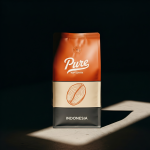
Pure Kopi Luwak
Wild civet coffee from Java. 88.5 SCA cupping score. From $125 for 100g.
On Java, the story of arabica begins in the west. The Dutch East India Company brought coffee seedlings from the Malabar coast of India to Batavia in 1696, but that first planting was lost to flooding. A second shipment arrived in 1699, and the Dutch moved cultivation up into the cooler, volcanic Priangan highlands of West Java, where the plants thrived. The coffee they produced became known in Europe as “Java Preanger,” and the Typica line descended from those seeds later spread from Java to the Americas. Highland arabica is lower-yielding and more demanding to grow than lowland crops, which is part of why genuine Javanese highland coffee costs more before any civet is involved.
Robusta coffee, by contrast, grows well at lower elevations and gives higher yields, but with a generally harsher, more bitter and less complex cup. Plenty of cheap kopi luwak is made from lowland robusta because it is abundant and inexpensive. Authentic wild kopi luwak from West Java’s highlands is arabica. The difference in what the civet is processing, slow-ripened highland arabica versus warm-grown lowland robusta, shows up clearly in the cup.
Try the coffee this article is about
Wild-sourced from Java, 88.5 SCA cupping score, free US shipping. From $125 for 100g.
Shop Pure Kopi Luwak →What Slower Ripening Does to the Cherry
The general rule across coffee origins is simple: the cooler the growing conditions, the longer the cherry takes to ripen after flowering. In West Java’s highlands, the upper part of the coffee band ripens noticeably later than plantings further down the same mountains. That extra development time, in cooler night temperatures, affects sugar accumulation and acid development in the fruit and the seed.
The sugars and acids that develop in a slowly ripened highland cherry are more varied, and that variety is what cuppers read as complexity. This is why the same arabica variety grown at 800 meters and at 1,400 meters typically produces noticeably different flavor profiles at the cupping table. The higher-grown version usually shows more nuance.
When wild civets in the West Java highlands select ripe cherries, they are selecting from this more complex pool of sugars and aromatic compounds. Their selectivity, choosing peak-ripe cherries by scent and taste, further concentrates quality. The fruit that enters the civet’s digestive system in the highlands is already better than what a lowland planting would offer, and that advantage carries through the natural processing and the roast to arrive in the cup as something clearly different from kopi luwak made from lowland robusta.
Volcanic Soil at Elevation
West Java’s coffee highlands are volcanic. The region’s coffee grows on the slopes of mountains such as Tangkuban Perahu, Papandayan, Malabar and Cikuray, where centuries of eruptions have laid down deep ash-derived soils. Volcanic soils like these are typically mineral-rich, well-draining and slightly acidic, a combination that suits arabica well and feeds the cherry’s development directly.
This is what specialty coffee professionals mean by “terroir.” It is not a mystical property of place, but the specific combination of soil, altitude-driven temperature, rainfall and local microclimate that shapes what the cherry accumulates as it grows. West Java’s highland terroir produces arabica with a recognizable character: full body, gentle brightness, chocolate and nutty notes, and the earthy depth associated with Indonesian coffee generally.
When that terroir-shaped arabica cherry is then processed by a wild civet, the result is a layered profile. The bean’s own complexity remains, the sharp bitter edges are softened, and the result is a cup that reads as both rich and gentle, with more going on than any single descriptor can capture. Pure Kopi Luwak is 100% arabica, wild-collected in the volcanic highlands of West Java from civets that are never caged, and it scored 88.50/100 in a blind SCA-protocol cupping by Q Arabica Grader Marcus Holt.
Why This Matters When You Buy
Not all kopi luwak comes from Javanese highlands. Sumatran, Sulawesi and Balinese kopi luwak all exist, each shaped by its own elevation and soil. Gayo kopi luwak from Sumatra, grown in the Gayo highlands of Aceh at roughly 1,200 to 1,600 meters, tends to show a different profile from Java: heavier body and more pronounced earthiness, reflecting the wet-hulled processing that is typical of Sumatran arabica.
Java kopi luwak’s profile, from volcanic highland arabica, tends toward cleaner, more refined complexity than Sumatran alternatives. Within Java, the Ijen Plateau in East Java is a separate coffee region with its own character; our coffee comes from the west of the island. These are differences in origin expression, not a strict quality hierarchy, but they are real differences that affect what you taste.
If you’re ordering kopi luwak for the first time, knowing the elevation context helps you understand why “Javanese kopi luwak” is a meaningful designation rather than a generic geographic label. The cool volcanic highlands of West Java, highland arabica, mineral-rich soil and slow ripening are not background details. They are the conditions that produced what’s in your cup.
Pure Kopi Luwak
Wild civet coffee from Java. 88.5 SCA cupping score. From $125 for 100g.

Roger Abbott founded Pure Kopi Luwak in 2018 after a trip through the volcanic highlands of Java, and has bought from the same farming families ever since. He only works with collectors of wild civet coffee, never caged. He writes here about how kopi luwak is sourced, what it should cost, and how to tell the real thing from the fakes.