A Q Grader — someone certified by the Coffee Quality Institute after passing 22 exams covering cupping, sensory analysis, and green coffee evaluation — works with a rubric that tops out at 100 points. Anything above 90 is classified as “outstanding.” In practice, the SCA treats 90 as nearly unattainable: fewer than one percent of commercially evaluated coffees cross that threshold. The Q Grader who has sat across from several thousand cups and given most of them scores in the mid-80s has an exceptionally calibrated palate and, frequently, an exceptionally strong opinion about kopi luwak.
That opinion is usually dismissive. And for 95 percent of what’s labeled “kopi luwak” on the market, the dismissal is correct.
Why the Skepticism Is Earned
The kopi luwak market is one of the most thoroughly defrauded categories in specialty food. Civet coffee operations in Bali — the ones that appear on tourist itineraries and sell branded gift tins at $80 per hundred grams in airport shops — frequently run caged civets on concrete floors, fed indiscriminate fruit regardless of ripeness or quality. The beans that result are processed without the wild-selection advantage that makes genuine kopi luwak worth talking about. The coffee is flat, sometimes bitter, occasionally foul. A BBC investigation in 2013 found that the majority of products claiming wild-sourced status were cage-farmed. A study published in PLOS ONE documented that fewer than 5 percent of civet coffee sold under wild-sourced marketing could be verified as genuinely wild.
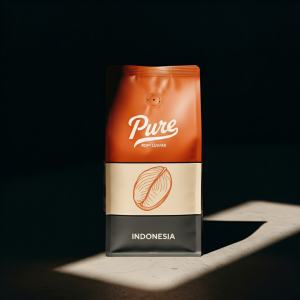
Pure Kopi Luwak
Wild civet coffee from Java. 88.5 SCA cupping score. From $125 for 100g.
The Q Grader who has tasted badly processed cage-farmed kopi luwak and dismissed it is drawing on real evidence. The problem is that the evidence is being applied to a category, not a product — and the category contains something genuinely different from what the skeptic has tasted.
Try the coffee this article is about
Wild-sourced from Java, 88.5 SCA cupping score, free US shipping. From $125 for 100g.
Shop Pure Kopi Luwak →What Wild-Sourced Kopi Luwak Actually Does
The Asian palm civet (Paradoxurus hermaphroditus) foraging freely in Java’s highland coffee plantations performs a quality-sorting function that no human harvesting system replicates at scale. A skilled picker on a Javanese estate harvests 100 to 200 kilograms of cherries per day. At that pace, cherry-by-cherry selectivity is impossible. A civet evaluating individual cherries by scent before consuming them operates at a different standard entirely.
Multiple field studies of wild civet feeding behavior have documented preferential selection of peak-ripe cherries, with under-ripe and over-ripe fruit consistently bypassed. The mechanism is olfactory: ripe cherries produce a distinct volatile compound profile that civets appear to seek. The practical effect is that the raw material entering the civet’s digestive tract has been selected to a standard that exceeds most high-quality hand-harvesting operations.
The digestive process that follows modifies specific proteins associated with bitterness development. Proteolytic enzymes partially hydrolyze these proteins before roasting, reducing what would become bitter compounds in the cup. Research in food chemistry literature has documented lower concentrations of citric and malic acids in authenticated wild kopi luwak compared to conventionally processed beans from the same origin. This explains the reduction in sharp acidity that experienced tasters consistently note — and that the SCA’s cupping rubric doesn’t quite have language for, because the rubric was designed for conventionally processed coffee.
The Snob’s Real Objection
The sophisticated coffee drinker’s resistance to kopi luwak isn’t really about the processing. It’s about the association. The coffee has been marketed as a novelty — “cat poop coffee” is a punchline before it’s a product — and the third-wave specialty movement built its credibility on exactly the opposite: transparency, traceability, named farms, SCA scores, cup quality evaluated by professionals. Into that context, kopi luwak arrives carrying the aesthetic of airport souvenir shops.
The problem is that skepticism about the category becomes a proxy for rejecting a product that the skeptic hasn’t evaluated correctly. The 2025 Best of Panama auction produced a world-record Gesha at $30,204 per kilogram — a coffee of extraordinary jasmine aromatics and clean stone fruit acidity. Wild kopi luwak from Java doesn’t compete with that on those terms. But it offers something a high-scoring Gesha cannot: a flavor profile shaped by biological fermentation that cannot be replicated through roast development or processing protocols. Full body, low bitterness, chocolate and earth in the base, a sustained smooth finish.
These are orthogonal values. The Q Grader who insists there’s only one set of values worth pursuing in a cup is missing something real.
What the Score Doesn’t Capture
Wild kopi luwak will not score 92 on the SCA rubric. It might score 84 to 86, depending on the evaluator. The rubric measures clarity, sweetness, uniformity, acidity, and aftertaste — criteria designed for conventionally processed coffee evaluated by cuppers trained in conventional coffee standards. The civet processing modifies the bean’s chemistry in ways those criteria don’t fully capture.
This is not an argument that kopi luwak is better than high-scoring specialty lots. It’s an argument that the measurement tool is not designed for this category. The coffee snob who recognizes this — who understands that there are legitimate coffee experiences outside the SCA framework — is already close to understanding why wild kopi luwak belongs in a serious drinker’s rotation alongside, not instead of, their favorite specialty lots.
Not as a novelty. As a category. And a genuine one.
See also: Why 90% of commercial kopi luwak is the wrong product — the guide to identifying what’s real before you buy.
Pure Kopi Luwak
Wild civet coffee from Java. 88.5 SCA cupping score. From $125 for 100g.
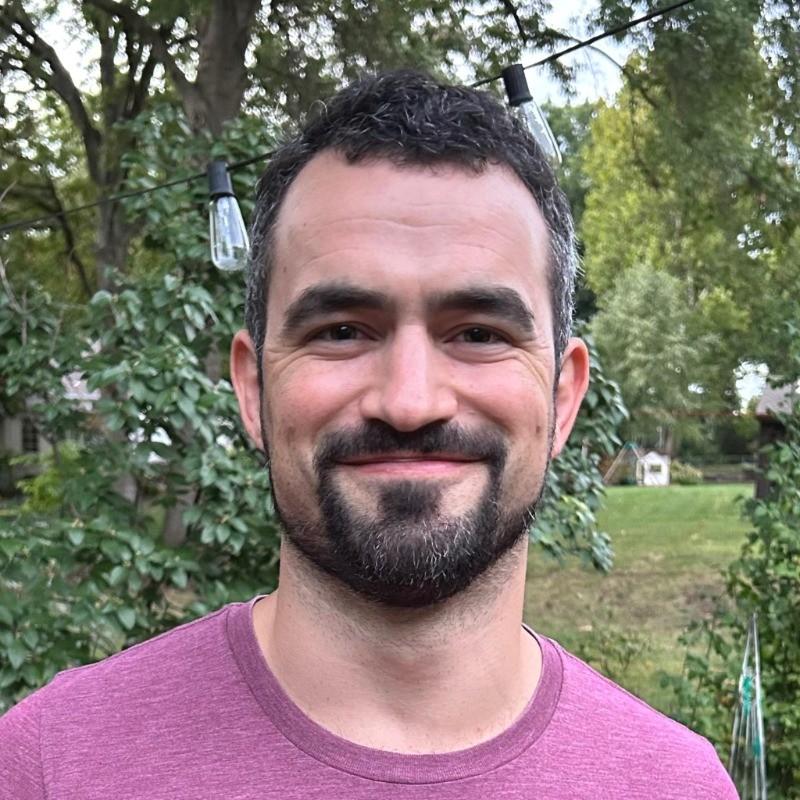
Roger Abbott founded Pure Kopi Luwak in 2018 after a trip through the volcanic highlands of Java, and has bought from the same farming families ever since. He only works with collectors of wild civet coffee, never caged. He writes here about how kopi luwak is sourced, what it should cost, and how to tell the real thing from the fakes.