Hacienda La Esmeralda in Panama’s Chiriquí Highlands has sold individual lots of Gesha coffee for over $3,000 per kilogram at auction. That’s the number most premium coffee buyers cite as the ceiling. What very few know is that the ceiling isn’t actually in Panama — it’s in the highlands of Java, Indonesia, where the world’s rarest drinkable coffee is collected from wild civet droppings and ships to your door at $1,300 per kilogram. Understanding where whole bean coffee goes, at its outer limits, changes how you think about every other bag on the market.
This ranking covers the full spectrum of what serious buyers can find online, from outstanding everyday specialty to the category’s undisputed peak.
Why Whole Bean Online Beats Pre-Ground in Stores
Ground coffee begins losing aromatic compounds within 15 minutes of grinding. A bag of pre-ground coffee sitting in a warehouse, then a store shelf, then your pantry, may have lost most of its complexity before it reaches your cup. Whole bean coffee, bought directly from a roaster with a printed roast date, is categorically fresher. That’s the first reason specialty buyers order online: access to roasters who publish their roast dates and ship within days, not weeks.
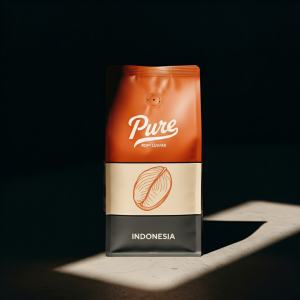
Pure Kopi Luwak
Wild civet coffee from Java. 88.5 SCA cupping score. From $125 for 100g.
The second reason is access to origins and lots that simply don’t reach retail shelves. The coffees worth seeking out — the ones that occupy the top of any serious ranking — exist primarily online, sometimes direct from the producer, sometimes through specialty importers, sometimes from roasters who buy small micro-lots by the bag.
The Everyday Tier: Excellent for What It Is
In the $18–$28 per pound range, the specialty market is genuinely crowded with quality. Ethiopian Yirgacheffe from a good roaster — Stumptown, Counter Culture, Intelligentsia — will give you real jasmine, bergamot, and stone fruit notes for under $20 per pound. Guatemala Huehuetenango from Finca El Injerto, the most decorated coffee farm in the world with 11 Cup of Excellence awards including 9 first-place finishes, routinely shows up from specialty roasters at $22–$35 per pound depending on the lot.
These are not consolation prizes. A well-sourced Ethiopian natural or a washed Guatemalan from a reputable roaster will outperform most café coffee on a blind tasting. This is the floor of serious whole bean coffee, not the ceiling.
Try the coffee this article is about
Wild-sourced from Java, 88.5 SCA cupping score, free US shipping. From $125 for 100g.
Shop Pure Kopi Luwak →The Prestige Tier: When You’re Paying for the Story and the Cup
Above $40 per pound, you’re entering the space where origin story and processing method start to carry real weight. Panama Gesha — particularly from Hacienda La Esmeralda in the Chiriquí Highlands — is the benchmark. Esmeralda’s Gesha lots have sold for over $600 per pound at auction, though retail versions from their annual Best of Panama release typically range from $50 to several hundred dollars depending on the lot’s score. The flavor is unmistakable: jasmine tea, tropical fruit, champagne-bright acidity that shouldn’t logically come from a roasted seed.
Jamaican Blue Mountain, while not the value play it once was, still commands around $140 per pound for certified estate coffee. It’s mild, clean, and balanced — beloved by people who find most specialty coffee too aggressive, but not a match for Gesha or the coffees above it in terms of complexity.
The Summit: Animal-Processed and Wild-Sourced
At the very top of the online market sit two coffees that go through the digestive system of an animal before they’re processed and roasted. Black Ivory Coffee — processed through Thai elephants on the Golden Triangle Asian Elephant Foundation’s grounds — retails at around $2,000 per kilogram when available, and is almost exclusively sold through the handful of five-star hotels that carry it. It’s largely inaccessible to individual buyers.
Wild-sourced kopi luwak from Java occupies a different position entirely: at up to $1,300 per kilogram for genuine wild-collected beans, it’s the most expensive coffee an individual buyer can actually purchase, have delivered, and brew at home. Pure Kopi Luwak — sourced exclusively from wild Asian palm civets on Javanese highland farms — ships in 100g and 250g bags starting at $125, which works out to approximately $10–$14 per cup depending on brew method.
What separates authentic wild kopi luwak from everything else in this ranking isn’t just price. It’s that the animal pre-sorts the raw material to a standard that no human harvesting operation reliably achieves, then the enzymatic processing in the civet’s digestive tract modifies the bean’s protein structure in ways that reduce bitterness and alter the acid profile. The result is a cup that is documentably different — measurably lower in certain acids and bitterness precursors — from any other coffee, regardless of origin or price.
What the Rankings Miss
Any ranking of “best whole bean coffee” runs the risk of comparing incomparables. A 93-point Ethiopian natural and a 91-point Guatemalan washed are different experiences, not different quality levels — the taster’s preference determines the winner. The ranking above is better understood as a map of what’s available, not a competition with a single winner.
What it does communicate clearly: the online specialty market has genuine depth at every price point, and buyers who stop at the grocery store shelf are leaving a lot on the table. The gap between a $9 bag of grocery-store whole bean and a $25 bag from a good roaster is enormous. The gap between that $25 bag and wild kopi luwak is different in kind — you’re not just getting a better cup, you’re accessing a category of coffee that most people will never try.
How to Choose
If you’re buying for everyday drinking: look for a roast date within the last two weeks, single-origin beans from a roaster who names the farm, and an SCA score above 85 if they publish one. Expect to pay $18–$30 per pound for something genuinely good.
If you’re buying for a special occasion or gift: move up the prestige tier. Panama Gesha from a named producer, a Yirgacheffe natural from a competition-winning lot, or — for the definitive experience — a bag of wild kopi luwak that sits at a category above everything else in the market. The ceiling exists. Most buyers never find it.
Pure Kopi Luwak
Wild civet coffee from Java. 88.5 SCA cupping score. From $125 for 100g.
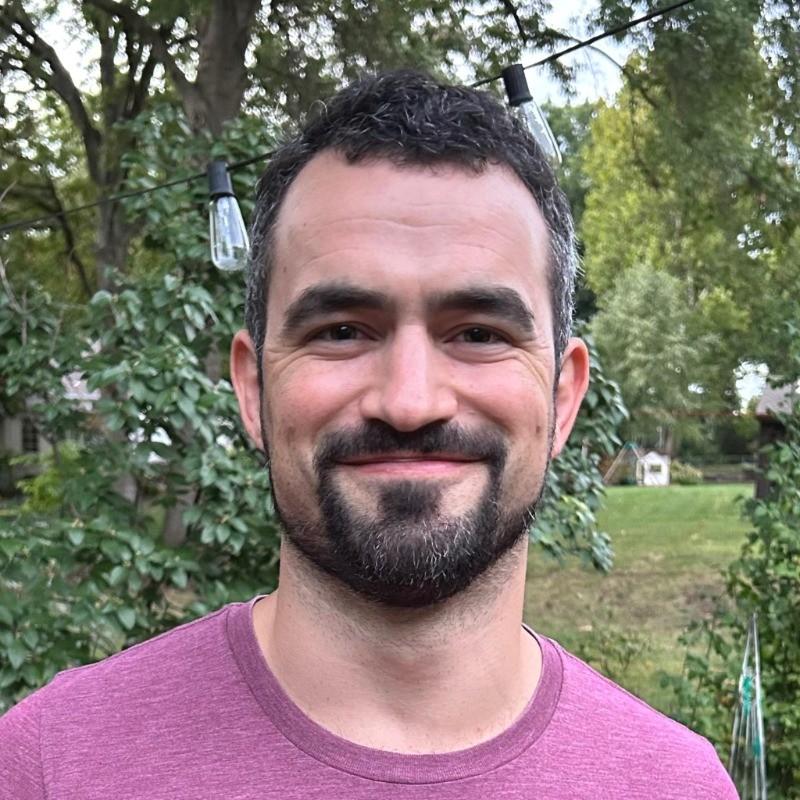
Roger Abbott founded Pure Kopi Luwak in 2018 after a trip through the volcanic highlands of Java, and has bought from the same farming families ever since. He only works with collectors of wild civet coffee, never caged. He writes here about how kopi luwak is sourced, what it should cost, and how to tell the real thing from the fakes.