Every Easter, the same thing happens to the chocolate market. According to the National Retail Federation's annual Easter spending survey, Americans spend approximately $23.6 billion on the holiday, and close to 87 percent of that goes toward candy — the overwhelming majority of it chocolate. The Easter basket has been colonized by the category to the point where giving chocolate to an adult for Easter has become both predictable and, for the recipient who already receives it from three other people, quietly redundant.
Which creates an opening. The person you're giving to already knows what's in an Easter basket. They've received it before. They'll receive it again. The gift that breaks the pattern — that arrives as something unexpected, premium, and genuinely worthy of the occasion — lands differently in every sense.
What Easter Morning Actually Calls For
For many households, Easter Sunday is the one morning a year when everyone is at the table before the day fractures into church, brunch with extended family, and the inevitable travel home. The holiday carries both religious and secular weight — a morning of intentional gathering that calls for something more deliberate than the standard grocery-store bag or the office drip machine. The Easter table is set with some care. The coffee doesn't always match the occasion.
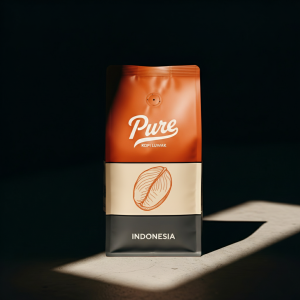
Pure Kopi Luwak
Wild civet coffee from Java. 88.5 SCA cupping score. From $125 for 100g.
Wild kopi luwak from Java, Indonesia, is the rarest coffee in the world — not by marketing, but by fundamental supply constraints. Wild Asian palm civets (Paradoxurus hermaphroditus) that forage through Javanese coffee plantations select and consume only peak-ripe coffee cherries. Their digestive enzymes partially hydrolyze the bitter-precursor proteins in the bean during a transit time of 12 to 24 hours. The resulting coffee — collected from the forest floor, washed, sun-dried, and medium-roasted — has an acidity approximately 60 percent lower than conventionally processed Arabica and a smoothness that has no clear parallel in the specialty coffee world. It is not the kind of coffee available at the grocery store. That's the point.
The Case Against Another Chocolate Easter Basket
Premium artisan chocolate at Easter runs $30 to $65 for a well-packaged box — a genuinely appreciated gift that disappears in three or four days and is largely forgotten by the following week. The category is also saturated. The recipient has, with reasonable probability, already received chocolate from someone else for the same occasion.
A 100g bag of Pure Kopi Luwak, priced at $125, operates in a different register entirely. It requires brewing. It demands a morning. It produces 10 to 12 cups that the recipient can return to over the following two weeks, each cup a reminder of the occasion that prompted it. Coffee that good doesn't get consumed unconsciously. It gets noticed, discussed, and remembered in a way that a chocolate egg cannot sustain past the first bite.
The gift also travels across dietary preferences in a way that chocolate doesn't. The person who avoids sugar, the person who doesn't eat dairy, the person who simply doesn't find a box of chocolates gift-worthy anymore — they all drink coffee. The Easter coffee gift has a wider and more reliable landing zone than its seasonal competitor.
Who This Gift Is For
Three specific profiles make the Easter coffee gift work with particular clarity. First, the parent or grandparent who already receives the standard Easter basket from children or grandchildren and would appreciate something from a peer that treats them as the adults they are. Second, the Easter host — the person who opens their home, sets the table, and makes the gathering happen. They deserve something for the kitchen rather than the candy dish. Third, the partner or close friend for whom the holiday represents a shared ritual worth marking with something genuinely considered.
In each case, the gift signals a level of thought that chocolate simply doesn't. Kopi luwak is not something you grab from a display near the checkout. It's a deliberate choice — which makes it a quiet but clear statement about the value you place on the recipient's time and taste.
Making the Easter Coffee Gift Land
Wild kopi luwak ships as whole beans. This is the detail most worth communicating to the recipient: whole beans preserve the volatile aromatic compounds that make the coffee's flavor distinct from anything pre-ground or pre-packaged. The instruction to grind just before brewing — which takes thirty seconds with any basic grinder — becomes, for most recipients, a new habit they didn't have before and don't go back on.
The 100g format looks and feels like a luxury item without requiring additional packaging. A card connecting the coffee's Javanese origin — a highland farming tradition going back to the Dutch colonial era — to the morning's gathering turns a bag of coffee into a story. The story becomes a gift that still gets mentioned the following year when someone asks what stood out.
The chocolate competition will never run out. Eighty-seven percent of Easter spending goes to candy, and most of it will be adequate and forgotten. The person who receives wild kopi luwak for Easter this year will still be talking about it when someone asks what they got. That's what different looks like on a holiday that has turned predictability into tradition.
Pure Kopi Luwak
Wild civet coffee from Java. 88.5 SCA cupping score. From $125 for 100g.
Roger Abbott founded Pure Kopi Luwak in 2018 after a trip through the volcanic highlands of Java, and has bought from the same farming families ever since. He only works with collectors of wild civet coffee, never caged. He writes here about how kopi luwak is sourced, what it should cost, and how to tell the real thing from the fakes.