The walk across the commencement stage takes under sixty seconds. The ceremony lasts two hours. The diploma gets handed over, the handshake happens, the photo is taken — and then four years of sustained effort becomes a credential that will appear on a résumé for the next four decades. The gift should be proportionate to the distance between those two facts.
It usually isn’t. The default graduation gift is a gift card, a cash envelope, or something for the kitchen — functional, thoughtful enough, but calibrated to practicality rather than occasion. For the Class of 2026, whose commencement ceremonies are happening right now at campuses from Duke University (nearly 7,000 degrees conferred this spring) to NC State (7,808 degrees, including 5,600 bachelor’s) and thousands of institutions between them, something different is warranted.
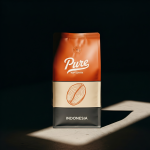
Wild kopi luwak from Java is that something.

Pure Kopi Luwak
Wild civet coffee from Java. 88.5 SCA cupping score. From $125 for 100g.
Why Coffee Is the Right Gift Category
Graduating seniors are, statistically, at the beginning of the most coffee-intensive period of their adult lives. A 2026 analysis by Cafely found that the 30-to-44 age bracket represents the highest daily specialty coffee consumption in the United States — but the habits that define that relationship are formed in the years immediately surrounding graduation: the first real job, the first apartment with a good kitchen, the first morning that belongs entirely to oneself. The gift that meets a new graduate where they’re headed — toward deliberate mornings, toward earned pleasures — is more meaningful than one that meets them where they are.
A coffee machine is the wrong version of this gift. A machine is infrastructure. It says: here is a tool for a habit you already have. What a milestone like graduation calls for is not infrastructure but experience — something that expands the frame of what’s possible rather than improving the efficiency of what’s already there.
What Makes Kopi Luwak the Right Register for This Moment
Wild kopi luwak occupies a category that has no real parallel in everyday consumer goods. It’s produced in small quantities from a process that cannot be scaled: Asian palm civets (Paradoxurus hermaphroditus) forage coffee cherries across Javanese highland farms, selecting peak-ripe fruit by scent. The beans pass through their digestive system over 12 to 24 hours, during which the animal’s gastric enzymes modify the protein structure of the bean — reducing bitterness precursors, softening acidity, and producing a flavor profile that no mechanical or chemical processing method can replicate. The beans are then collected from the forest floor, cleaned, dried, and roasted.
The result, in the cup, is smooth and full-bodied with chocolate and dried fig notes in the midrange, low acidity, and a finish that lingers without bitterness. It is recognizably different from any other coffee a new graduate has tasted — including premium specialty coffees. That difference is the point of the gift.
A 100g bag of Pure Kopi Luwak yields 10 to 12 cups brewed at standard pour-over ratios. Those ten mornings will be among the best coffee the recipient has ever had, and they will happen during the first weeks of a new chapter — new city, new job, new version of the daily routine. The gift becomes part of the foundation of that chapter in a way that a gift card simply cannot.
The Parallel Between the Coffee and the Achievement
There is something worth saying about the relationship between genuine rarity and genuine accomplishment. Wild kopi luwak is rare in a way that cannot be manufactured: it depends on wild animals making thousands of individual choices about which cherries to eat, on farmers collecting tiny quantities from forest paths before dawn, on a production process whose output is inherently limited. You cannot make more of it by working harder or scaling up the operation. The scarcity is structural.
A degree from a legitimate institution is rare in the same structural way. The years required cannot be compressed, the credential cannot be purchased, and the person who holds it has done something that required sustained effort across a long time horizon. Matching those two kinds of rarity — in the gift you give after the ceremony — is a way of saying that you understand what was actually accomplished.
How to Present It
A bag of wild kopi luwak arrives in packaging that communicates its provenance — origin information, production details, what makes it different from commercial alternatives. Most new graduates have heard of kopi luwak through popular culture (it featured prominently in the 2007 film The Bucket List) but have never tasted it. That context — “this is the coffee you’ve heard about, and now you’re actually going to try it” — gives the gift a story that a gift card never has.
For reading on what makes authentic wild kopi luwak different from cage-farmed imitations, the wild vs. caged comparison explains the distinction clearly. And for the graduate who will want to brew it properly, the French press guide is the right place to start.
Graduation is the end of one structured period and the start of an unstructured one. The gift that honors that transition isn’t the one that helps them do what they’ve already been doing. It’s the one that shows them what’s possible when the extraordinary becomes accessible.
Pure Kopi Luwak
Wild civet coffee from Java. 88.5 SCA cupping score. From $125 for 100g.

Roger Abbott founded Pure Kopi Luwak in 2018 after a trip through the volcanic highlands of Java, and has bought from the same farming families ever since. He only works with collectors of wild civet coffee, never caged. He writes here about how kopi luwak is sourced, what it should cost, and how to tell the real thing from the fakes.