At Alas Harum Agro Tourism in Ubud, Bali — one of the most-visited agro-tourism destinations in Indonesia — couples on honeymoon can pay around $5 to $10 for a cup of kopi luwak served at a plantation table surrounded by rice terraces. The coffee arrives in a small cup, the story is told by a guide, and the experience becomes a line in a travel journal. It’s a good line. But it’s not quite the real thing.
The kopi luwak served at tourist destinations in Bali is almost never genuinely wild-sourced. The civets responsible for it are typically caged, fed indiscriminate quantities of coffee cherries under conditions that produce stressed animals and compromised digestive chemistry. What arrives in the cup is coffee that has passed through a civet — technically accurate, commercially legal, genuinely different from what the best kopi luwak should be.
For a honeymoon morning, that gap matters more than it might on an ordinary Tuesday.
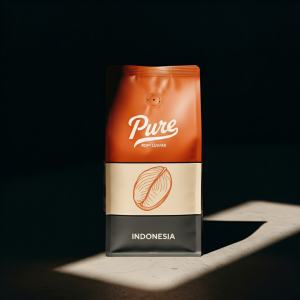
Pure Kopi Luwak
Wild civet coffee from Java. 88.5 SCA cupping score. From $125 for 100g.
What the Mornings of a Honeymoon Actually Are
Every experienced traveler knows that the best part of a honeymoon — or any meaningful trip — is the mornings. The evening might be the dinner, the excursion, the celebratory bottle. But the morning is when the trip reveals itself: the light through a particular window, the sounds of a different city waking up, two people sitting with coffee before the day has organized itself into plans.
Hotel room service coffee, almost universally, fails this moment. The beans are commodity-grade. The preparation is designed for speed, not for the cup. The result is adequate, which is exactly not what the first mornings of a marriage deserve.
Bringing your own coffee into the honeymoon is not an eccentricity. It’s a decision to take the mornings seriously — to have something in your bag that makes a specific morning specific, rather than just memorable by proximity to everything else you’re doing.
The Case for Wild Kopi Luwak From Java
Java has been growing and exporting coffee since at least the 1690s, when the Dutch East India Company established commercial cultivation on the island. The coffee-growing highlands — particularly around Ijen and the Dieng Plateau — have over three centuries of continuous cultivation, and the Arabica varieties grown there have adapted to elevations above 1,200 metres in ways that affect flavor at every stage of the process.
Genuine wild kopi luwak from these farms is coffee that has passed through Asian palm civets (Paradoxurus hermaphroditus) foraging freely through the plantation at night. These animals don’t eat indiscriminately. They select peak-ripe cherries using a combination of scent and taste refined over generations of living alongside coffee trees. The 12 to 24 hours of digestive transit that follows partially modifies the bean’s protein structure — specifically reducing the bitterness-precursor proteins that make most coffee taste sharp — and produces a cup that is notably smoother, fuller, and less acidic than any other origin can reliably deliver.
The connection to Java matters on a honeymoon for the same reason any specific origin story matters on a trip: it gives you something to be drinking that belongs to a particular place and a particular process, not just to a category. You’re not drinking coffee. You’re drinking the agricultural heritage of a specific highland region, filtered through an animal that lives only here, processed by an enzyme pathway that exists only in this exact form in this exact context.
That’s a story to have with your morning cup, wherever the honeymoon takes you.
Practical Notes for Bringing Kopi Luwak on a Trip
A 100g bag of wild kopi luwak — whole bean, sealed — travels well in carry-on luggage. Customs regulations in most countries allow sealed coffee products without restriction. The bag fits in a kit bag without taking meaningful space.
What you need at the destination depends on your brewing preference. If the hotel has a kettle — and most do — a small pour-over dripper and a compact manual grinder produce a cup that surpasses anything the room service menu offers. Alternatively, a French press is standard equipment in most mid-to-high-range hotel rooms across Europe and Southeast Asia. A medium-coarse grind, water at 93-96°C, four minutes of immersion: the process takes less time than waiting for room service to arrive.
The clarity method — brewed through a Chemex or similar filter — is worth considering if you’re in a room with good morning light. Filter brewing reveals the complexity of the bean’s origin character more directly than full immersion. For kopi luwak’s earthy, chocolatey profile, both approaches work, but filter brewing on a honeymoon morning, with good light and no urgency, is a different experience from any other way of drinking coffee.
The Gift Version
If you’re reading this looking for a honeymoon gift rather than planning to bring it yourself, the consideration is simpler. Wild kopi luwak makes an unusual wedding gift for the same reasons it makes an unusual honeymoon coffee: it’s specific, rare, and creates a ritual rather than just occupying a shelf. Couples who receive it tend to save it for the right morning rather than opening it immediately, which means it travels with them through the early weeks of marriage in a way that a set of wine glasses cannot.
The mornings of a honeymoon are the ones that set the tone. They deserve something that treats them like the beginning of something worth beginning carefully.
Pure Kopi Luwak
Wild civet coffee from Java. 88.5 SCA cupping score. From $125 for 100g.
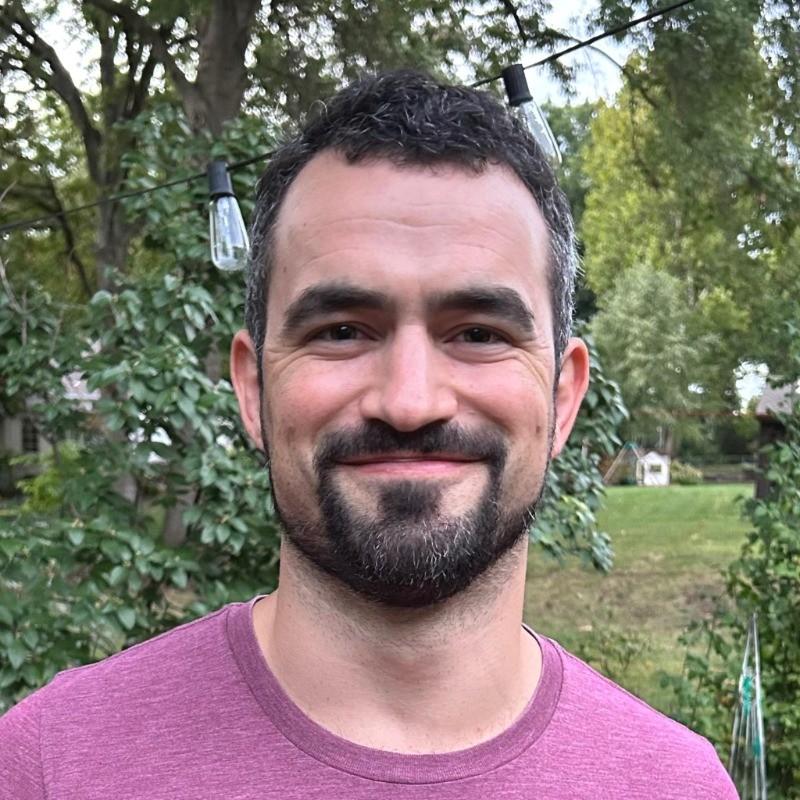
Roger Abbott founded Pure Kopi Luwak in 2018 after a trip through the volcanic highlands of Java, and has bought from the same farming families ever since. He only works with collectors of wild civet coffee, never caged. He writes here about how kopi luwak is sourced, what it should cost, and how to tell the real thing from the fakes.