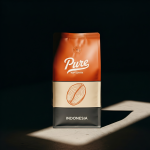
Check into almost any four-star hotel — the Marriott, the Sheraton, the boutique property that cost $320 a night — and the coffee situation is largely the same. On the desk or in the bathroom sits a small drip brewer or a pod machine, two pre-portioned packets of pre-ground coffee, and a pair of paper or plastic cups. The coffee is commodity-grade Arabica, chosen for inoffensiveness rather than distinction, ground months ago and sealed into a foil sachet that preserves staleness as efficiently as it prevents anything better from getting in.
According to a 2025 report by Nestlé Professional on UK hotel stays, 89% of guests at four- and five-star properties say the quality of in-room coffee directly influences their overall satisfaction rating. That’s the majority of premium hotel guests, stating that the cup they make themselves in their room — from a machine provided for free, with a packet of coffee provided for free — matters to how they remember the stay. The hotels know this. Which is why most of them have switched to better pod systems or partnered with recognizable coffee brands. The pods are marginally better than sachets. The result is still commodity coffee served through a machine that brews at slightly wrong temperatures and produces slightly flat results.
Why Hotel Coffee Is What It Is
Hotels operate on scale that makes genuine coffee quality nearly impossible to deliver in-room. A 300-room property might need to supply 1,000 cups per morning across individual room brewers. The logistics of fresh whole beans, proper grinding, and accurate water temperature are completely incompatible with that model. Even hotels that serve exceptional coffee in their lobby restaurants — sourced from a reputable roaster, prepared by a trained barista — default to lowest-common-denominator products the moment the coffee enters the guest room. The compromise is structural, not accidental.
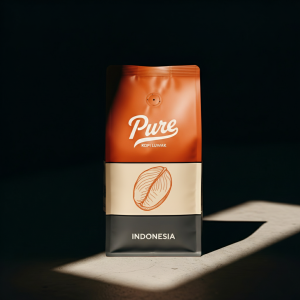
Pure Kopi Luwak
Wild civet coffee from Java. 88.5 SCA cupping score. From $125 for 100g.
The solution, for a traveler who takes their morning coffee seriously, isn’t to complain about the hotel. It’s to pack their own.
Try the coffee this article is about
Wild-sourced from Java, 88.5 SCA cupping score, free US shipping. From $125 for 100g.
Shop Pure Kopi Luwak →The Case for Traveling With Wild Kopi Luwak
A 100-gram bag of wild-sourced kopi luwak from Java weighs roughly what a deck of cards weighs. It takes up similar space. TSA allows coffee beans and ground coffee in both carry-on and checked luggage without restriction — there’s no customs concern for domestic travel, and for international trips, beans in sealed commercial packaging typically clear customs without issue (though it’s worth checking specific destination rules). The bag holds enough coffee for eight to ten cups, which covers a three-to-four-day trip without having to visit a café for your first cup of the day.
The question is what to do about grinding and brewing. Here, the answer depends on travel style. A portable hand grinder — a Hario Mini, a Timemore C2, or a similar compact burr grinder — weighs under 300 grams and fits in any bag. Combined with a small pour-over dripper and a filter, or a collapsible AeroPress, it produces a cup from the hotel room kettle (which every property provides) that is incomparably better than anything the in-room packet offers. The full kit adds perhaps 500 grams to luggage. For a traveler who starts the day with coffee, the weight is a reasonable trade.
The specific case for wild kopi luwak, rather than any good specialty coffee, comes down to what you’re trying to do with a hotel morning. If the goal is simply better coffee than the packet, any quality whole-bean option works. But if the morning is about a deliberate small luxury — a few minutes of intent in a context that otherwise asks you to move quickly — then the specificity of what’s in the bag matters.
What Happens When You Brew It in a Hotel Room
Hotel room kettles boil to approximately 100°C and sit for a minute or two while you set up your dripper. The water hits roughly 93-96°C by the time it pours, which is exactly the target temperature for wild kopi luwak. You grind the beans just before brewing — the hotel room is typically quiet enough in the early morning that the hand grinder doesn’t feel intrusive. The bloom takes thirty seconds. The pour takes two minutes. And then you have something you couldn’t have bought at the hotel restaurant for any price: wild-sourced civet coffee, brewed correctly, in a quiet room before the day starts.
The taste profile of wild kopi luwak — notably smooth, low in bitterness, with chocolate and earth notes and a full body — is particularly well-suited to early morning, when palates tend to be at their most sensitive. The absence of sharpness makes it comfortable without being flat. It doesn’t need milk to soften it. It doesn’t need sweetener to round it out. It’s the kind of coffee that makes the first thirty minutes of a day feel deliberate rather than reactive.
The Weight of the Decision
There’s a reasonable counterargument: why not just buy a good bag of local specialty coffee at your destination? The answer is that local sourcing requires knowing where to go, which requires either research or luck, and the result is inconsistent. You might find an excellent roaster two blocks from your hotel. You might not. You might find that their beans are excellent but they only sell pre-ground. Traveling with your own coffee eliminates the variable entirely.
The investment — a 100g bag at $125 — covers eight to ten cups across a trip. That’s between $12.50 and $15.63 per cup, which is less than what many airports charge for a mediocre espresso drink and considerably less than what hotel lobby bars charge for anything worth ordering. The math isn’t the point, but it’s not as stark as the sticker price makes it appear. The cost per cup is lower than most premium café experiences, and the context — your own room, your own pace, your own preparation — is better than any of them.
The hotel room coffee problem isn’t going away. The economics of in-room service make quality delivery structurally difficult, and travelers who care about their first cup have always worked around it in one way or another. The elegant solution isn’t to complain or to seek out a café at 6am. It’s to pack 100 grams of something worth drinking, and make the morning yours.
Pure Kopi Luwak
Wild civet coffee from Java. 88.5 SCA cupping score. From $125 for 100g.
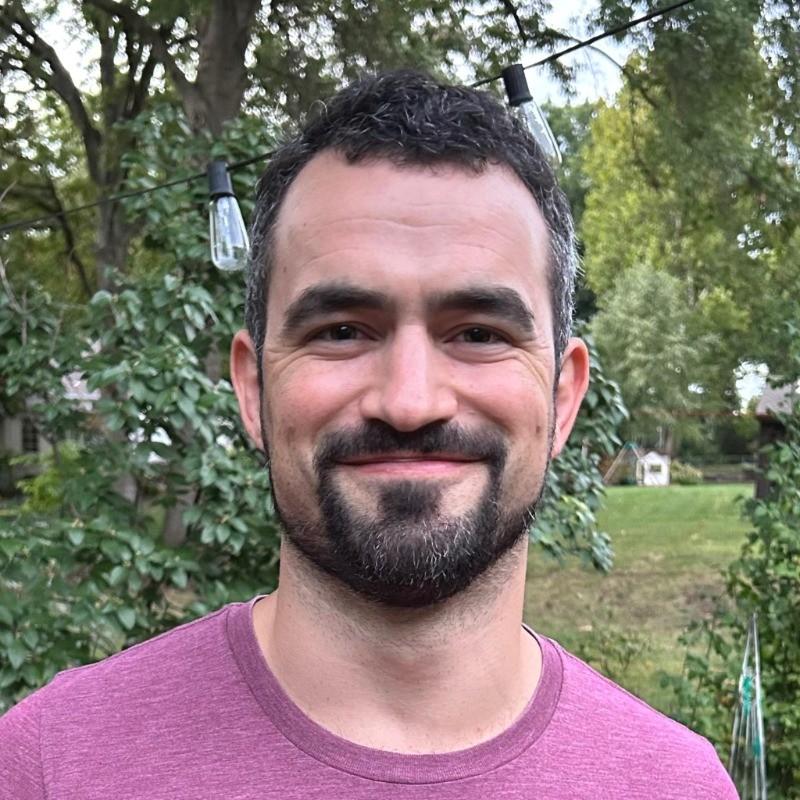
Roger Abbott founded Pure Kopi Luwak in 2018 after a trip through the volcanic highlands of Java, and has bought from the same farming families ever since. He only works with collectors of wild civet coffee, never caged. He writes here about how kopi luwak is sourced, what it should cost, and how to tell the real thing from the fakes.