A 100g bag of wild kopi luwak looks like a bag of coffee. It costs $125. That gap — between visual presentation and actual significance — is the challenge of giving it as a gift. The recipient who opens it without context will appreciate that something expensive arrived. The recipient who understands what they’re holding will appreciate it in an entirely different register. Closing that gap takes about two sentences, and it’s your job to write them before you hand the bag over.
The Three Facts That Change Everything
Most people carry incomplete information about kopi luwak. They’ve heard the phrase “cat poop coffee,” which primes either intrigue or skepticism, and they don’t have the follow-on context that resolves the ambiguity. Three specific facts reliably do the work:
First, the sourcing. Wild Asian palm civets (Paradoxurus hermaphroditus) forage freely through Java’s Arabica highlands, selecting only peak-ripe cherries by scent — a selectivity standard that outperforms even careful human harvesting because the animals are choosing based on the precise aromatic profile of ripe fruit. The beans are collected from the forest floor. The civets are not caged, not force-fed, not operating in any context resembling a factory operation. This is the distinction that separates authentic wild kopi luwak from the commercially ubiquitous caged version, and it matters for both the ethics and the quality of what’s in the bag.
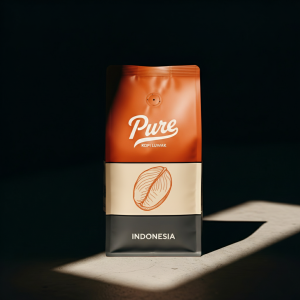
Pure Kopi Luwak
Wild civet coffee from Java. 88.5 SCA cupping score. From $125 for 100g.
Second, the chemistry. During the 12 to 24 hours the beans spend in the civet’s digestive tract, proteolytic enzymes partially hydrolyze proteins that are precursors to bitter compounds formed during roasting. Food chemistry research has documented lower concentrations of malic and citric acids in kopi luwak compared to conventionally processed beans from the same origin. The famous smoothness is not a marketing claim; it’s a measurable consequence of enzymatic modification.
Third, the origin. The beans in Pure Kopi Luwak come from the volcanic highlands of West Java — a high-altitude Arabica-growing region, growing Arabica Typica using washed processing. Specific, traceable, distinct. Not “Indonesian coffee” in the generic sense, but a particular highland region with documented flavor character: clean, chocolate-toned, moderate sweetness, long finish.
Try the coffee this article is about
Wild-sourced from Java, 88.5 SCA cupping score, free US shipping. From $125 for 100g.
Shop Pure Kopi Luwak →Writing the Gift Note
The note doesn’t need to be long. Aim for context, not instruction. One version that works: “This is wild-sourced kopi luwak from the volcanic highlands of West Java — collected from free-roaming civets, not caged ones. The digestive process naturally reduces the bitter compounds, which is why it’s so smooth. I thought you’d want to actually know what you’re drinking.” Three sentences and a clear signal that you did your homework before giving it.
If you’d rather let the producer explain, the Pure Kopi Luwak packaging includes origin provenance that covers the wild sourcing, the Java highland location, and the processing method transparently. Your note in that case just needs to prime the recipient to read it: “The backstory on this bag is worth a minute — start there before you brew.”
Presentation Considerations
The vacuum-sealed bag is clean, premium-presenting, and functional. For most gifting contexts — corporate, professional, or where you want the coffee to speak without embellishment — no additional packaging is required. The visual impression is of a considered, high-quality product.
If you want to supplement the presentation, a complementary object that supports the brew experience adds coherent value. A manual burr grinder works well for recipients who currently use pre-ground coffee — the difference between fresh-ground and pre-ground is significant at this price point, and the grinder signals that you thought about how the gift would actually be used. A quality French press is the other natural pairing, since full-immersion brewing shows kopi luwak’s body and finish more clearly than paper-filtered methods. Both items are available under $40 at most kitchen retailers.
The Brew Note That Prevents a Disappointing First Cup
Most recipients won’t know the ideal brew parameters for whole-bean kopi luwak. A short printed card with three data points closes that gap: medium-coarse grind for French press or medium-fine for pour-over; water at 93 to 96°C (199 to 205°F), not boiling; four to five minutes of immersion for French press, or a 3:30 total pour time for a V60. What to avoid: drip machines set to fast cycles, water poured at a full boil directly on the grounds, and brewing with hard tap water.
This detail matters. Kopi luwak’s smoothness is intrinsic to the bean’s compound profile, but it still requires correct extraction to express fully. A first cup brewed at the wrong temperature or grind will produce a less impressive result than the coffee merits, and first impressions of a $125 purchase stick. The grind size guide on this site covers every brew method in detail if you want to include a link rather than a printed card.
The Cases Where No Explanation Is Needed
Experienced specialty coffee drinkers — people who already know what kopi luwak is, follow origin coffee closely, or have tasted it before — need less briefing. For this recipient, the gift note can be shorter: “Wild-sourced, Java, thought you’d find this interesting” is complete. The story isn’t new to them; the specific product and sourcing is what matters.
For everyone else, the context you provide before they open the bag determines how well the coffee lands. Two minutes of explanation before the first cup. That’s the entire marginal investment required to turn an expensive bag of coffee into an exceptional gift.
Pure Kopi Luwak
Wild civet coffee from Java. 88.5 SCA cupping score. From $125 for 100g.
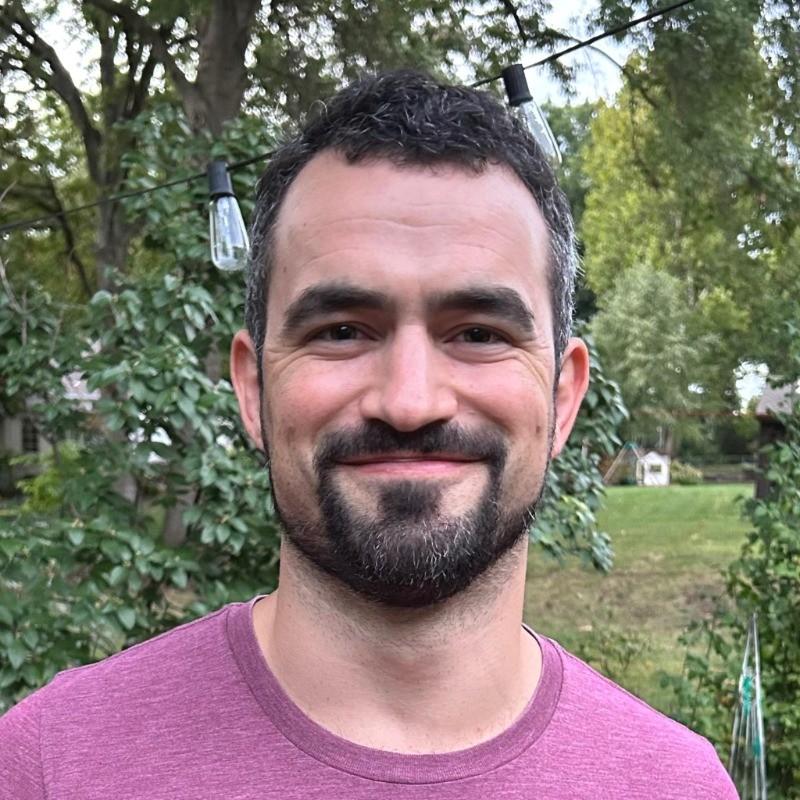
Roger Abbott founded Pure Kopi Luwak in 2018 after a trip through the volcanic highlands of Java, and has bought from the same farming families ever since. He only works with collectors of wild civet coffee, never caged. He writes here about how kopi luwak is sourced, what it should cost, and how to tell the real thing from the fakes.