Most home brewing guides for specialty coffee implicitly assume you own a gooseneck kettle, a pour-over dripper, and a scale. Many people don’t. They have the machine that lives on their kitchen counter—a drip coffee maker with a glass carafe and a programmable timer—and they’ve never used anything else. The question of whether you can brew genuinely good kopi luwak in that machine is worth answering directly, because the answer is yes, with caveats that matter significantly more for expensive beans than for grocery store coffee.
The Specialty Coffee Association’s Golden Cup Standard for drip brewing—the benchmark that SCAA-certified machines are required to meet—specifies a water temperature of 92 to 96°C at the brew head, a brew ratio of approximately 1:18 (coffee to water by weight), and a total brew time of 4 to 8 minutes. A machine that meets these specifications can brew kopi luwak that does the beans genuine justice. A machine that doesn’t—and many don’t—will produce a cup that tastes fine but misses the specific smoothness and flavor complexity that makes wild kopi luwak worth the price.
Why Your Drip Machine Matters More Than You Think
The problem with most budget drip coffee makers is temperature. Many heat water to only 80 to 88°C—well below the range that extracts the flavor compounds responsible for a complex, nuanced cup. At that temperature, you get under-extraction: a thin, sour, underdeveloped brew that makes even excellent beans taste mediocre. For a bag of kopi luwak that costs $125 per 100 grams, under-extraction is an expensive mistake.
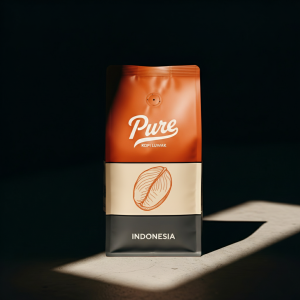
Pure Kopi Luwak
Wild civet coffee from Java. 88.5 SCA cupping score. From $125 for 100g.
The other common problem is inconsistent water distribution. Budget machines often concentrate the water stream in one area of the grounds rather than distributing it evenly across the bed, leading to channeling—some grounds are over-extracted while others are barely touched. The result is a muddy mix of bitter and weak that obscures the clean, smooth character of wild kopi luwak entirely.
SCAA-certified machines—models from Technivorm, Breville, OXO, and a handful of others—are verified to hit the temperature and distribution standards. If you’re planning to brew kopi luwak in a drip machine regularly, the $200 to $350 investment in a certified machine pays for itself in the first bag.
Brew Parameters for Kopi Luwak in a Drip Machine
Assuming you have a machine that reaches proper temperature, these parameters will get you the best result:
Grind size: Medium—roughly the texture of granulated table sugar, finer than pour-over but coarser than espresso. Consistency matters more than exact size; a burr grinder is strongly preferred over a blade grinder for this reason.
Ratio: Slightly stronger than the SCA Golden Cup Standard: 1:15 or 1:16 by weight (1 gram of coffee per 15-16ml of water). Kopi luwak’s modified protein structure means it extracts efficiently; brewing slightly concentrated allows the flavor complexity to register over the dilution of a full carafe.
Water quality: Filtered water at low mineral content. Hard water with high calcium content can alter the extraction chemistry and dull the subtle earthy-chocolatey notes that define Javanese kopi luwak.
Brew volume: Don’t brew a full 12-cup carafe. With 100 grams of kopi luwak at the recommended ratio, you have enough for roughly 6 to 8 brewing sessions. Brew 2 to 4 cups at a time and drink it fresh.
The Case for Preheating
One useful technique for drip brewing with expensive beans: run a cycle of plain hot water through the machine before adding coffee. This preheats the carafe and the brew basket, preventing the first portion of hot water from losing temperature to cold equipment. For commodity coffee, this is unnecessary. For a $125 bag, the difference between a preheated and cold-start brew is worth the extra 60 seconds.
What to Expect in the Cup
Wild kopi luwak brewed correctly in a drip machine produces a cup that’s notably cleaner and less bitter than most specialty coffees at this price point. The smooth, chocolate-earthiness that characterizes Javanese Arabica, combined with the enzymatic reduction of bitterness compounds that happens during civet digestion, survives the drip process well—better, in fact, than some more delicate single-origin Africans whose fruity complexity requires the precise temperature control of manual brewing methods.
The drip machine is not the optimal format for wild kopi luwak—pour-over and Chemex give a more transparent cup—but it’s a perfectly good one, and the result will be substantially better than anything else that passes through the same machine. If you already own a quality drip brewer and want to try real wild kopi luwak without acquiring new equipment, this is a completely valid entry point. The beans are ready; so is the machine.
Pure Kopi Luwak
Wild civet coffee from Java. 88.5 SCA cupping score. From $125 for 100g.
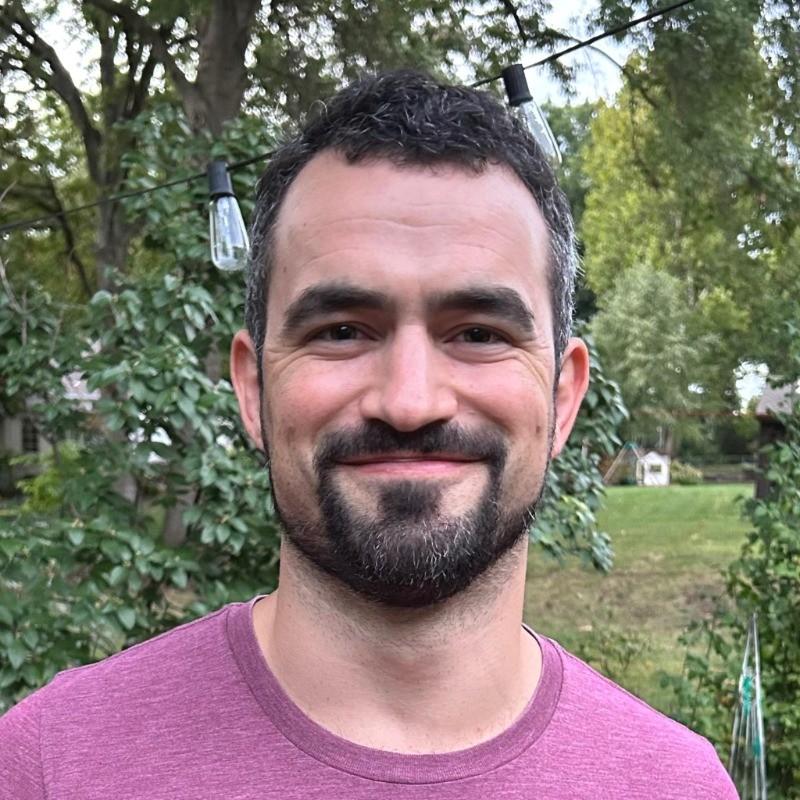
Roger Abbott founded Pure Kopi Luwak in 2018 after a trip through the volcanic highlands of Java, and has bought from the same farming families ever since. He only works with collectors of wild civet coffee, never caged. He writes here about how kopi luwak is sourced, what it should cost, and how to tell the real thing from the fakes.