Japan is one of the three largest kopi luwak import markets in the world, alongside the United States and select European markets. This is not surprising given the context: Japan has had a dedicated specialty coffee culture since at least the 1960s, with kissaten (traditional coffee shops) developing a serious, almost ritualistic approach to single-origin coffee long before Western third-wave roasters made it fashionable. Japanese buyers are among the most exacting coffee purchasers on earth, and the market for rare, premium, gift-presented coffee—the 25g to 100g beautifully packaged single-origin—is deeply established there. Kopi luwak fits this context almost perfectly. Understanding how it’s sold and sourced in Japan, and what Japanese buyers know that helps them navigate authenticity, is useful for anyone purchasing in this market.
How Kopi Luwak Is Positioned in Japan
Japanese retailers have largely positioned kopi luwak as a premium gift product rather than a daily drinking coffee. The January 2026 kopiluwak.coffee market analysis noted that Japanese listings typically use 25 to 100g packs in premium packaging, with imported shipping models that emphasize presentation as much as content. Department store gift sets (depato gift culture is enormous in Japan, particularly for Ochugen and Oseibo seasonal gift seasons) sometimes include small quantities of kopi luwak alongside other luxury food items.
This positioning has advantages and disadvantages. The advantage: Japanese consumers are accustomed to paying for verified quality, and the price point of authentic wild kopi luwak—¥20,000 to ¥35,000 for 100 grams at current exchange rates—doesn’t produce the sticker shock it might elsewhere. The disadvantage: the gift-market positioning creates incentives to prioritize packaging over content, and some products sold in Japanese retail channels are cage-farmed or blended despite the premium presentation.
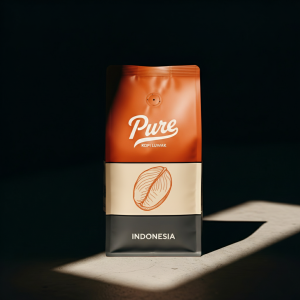
Pure Kopi Luwak
Wild civet coffee from Java. 88.5 SCA cupping score. From $125 for 100g.
Japan’s Coffee Import Framework
Japan’s food import regulations for roasted coffee are relatively straightforward under the Food Sanitation Act. Roasted coffee is subject to phytosanitary inspection but faces no specific licensing requirements for consumer import. The Ministry of Health, Labour and Welfare oversees food imports, and roasted coffee typically clears customs within 3 to 5 business days via express international courier. Most reputable international kopi luwak producers ship to Japan without issue; buyers should confirm international shipping availability before ordering.
Customs duties on roasted coffee imported to Japan are 20 yen per kilogram—negligible at the volumes an individual buyer would purchase. At 100 grams, the duty is 2 yen. Value-added consumption tax (currently 10% for food items in Japan) applies to the imported value.
Authenticity Navigation for Japanese Buyers
The authenticity markers for kopi luwak are the same in Japan as everywhere else: wild or cage-farmed sourcing, geographic specificity, price relative to production economics, and supply chain transparency. A wild-sourced kopi luwak from Java priced below ¥15,000 for 100 grams should raise questions. The production of authentic wild kopi luwak—a single civet consumes 50 to 100 cherries per night during harvest season—cannot economically support a price below the verified wild-sourced market floor.
Japanese buyers have one advantage: the country’s food labeling regulations under the JAS (Japanese Agricultural Standards) Act and the Food Labeling Act require that imported foods disclose country of origin clearly. A product labeled “kopi luwak” without specifying Indonesia (or an Indonesian island) fails Japanese labeling requirements. This provides a basic floor of transparency that isn’t always present in other markets. However, specifying country of origin doesn’t confirm wild vs. cage-farmed sourcing—that requires direct supplier verification.
Seasonal Gift Buying in Japan
Japan’s two major gift-giving seasons are Ochugen (mid-year, roughly June to July) and Oseibo (year-end, December). Both represent significant kopi luwak gifting opportunities. A 100-gram bag of authenticated wild kopi luwak from a Javanese farm—sourced from the Asian palm civet (Paradoxurus hermaphroditus), whose proteolytic enzymes modify the bean’s protein structure to reduce bitterness and produce the smooth, chocolatey, earthy character that research in Frontiers in Sustainable Food Systems has documented—is an appropriate Ochugen or Oseibo gift for a senior colleague, client, or family member who appreciates rare food experiences.
Presentation matters for Japanese gift-giving. The packaging of the kopi luwak you purchase should communicate the same level of care as the coffee itself. Reputable producers include documentation of the sourcing process, which serves dual purpose: authenticating the product and providing the recipient with the story that makes the gift worth giving.
Where to Buy
Japanese domestic retailers selling kopi luwak include department stores (Isetan, Takashimaya, and Matsuya occasionally stock premium imported coffees), specialty food importers, and online platforms. Quality varies significantly. The safest purchase for a Japanese buyer who wants verified wild-sourced kopi luwak is direct from an international producer with documented supply chain transparency and international shipping capability.
Pure Kopi Luwak sources exclusively from wild civets on Javanese farms and ships internationally. For Japanese buyers navigating a market where presentation and authenticity documentation are both expected, the sourcing transparency included with each order aligns with what Japanese gift culture expects from a premium product.
Pure Kopi Luwak
Wild civet coffee from Java. 88.5 SCA cupping score. From $125 for 100g.

Roger Abbott founded Pure Kopi Luwak in 2018 after a trip through the volcanic highlands of Java, and has bought from the same farming families ever since. He only works with collectors of wild civet coffee, never caged. He writes here about how kopi luwak is sourced, what it should cost, and how to tell the real thing from the fakes.