The Starbucks Reserve Roastery that opened in Seattle’s Capitol Hill neighborhood in December 2014 was a genuine attempt to do something different. Fifteen thousand square feet, a working roaster visible from the main floor, a rotating menu of rare single-origin coffees prepared on Clover vacuum-press machines that Starbucks acquired in 2008. A cup of coffee there costs between $5 and $10, sometimes more for the rarer lots. It’s also, genuinely, a good coffee experience.
Six Starbucks Reserve Roasteries now operate worldwide — in Seattle, Shanghai, New York, Chicago, Milan, and Tokyo. Separately, several hundred Starbucks Reserve bars exist inside regular stores, offering the rare-bean menu without the full roastery experience. They represent the company’s most serious attempt to occupy the premium end of the market.
Wild kopi luwak, at $125 to $199 for 100g, is a different kind of premium. Understanding the difference between what you’re buying at a Reserve bar versus what you’re buying with a bag of wild civet coffee is useful if you’re actually interested in the best coffee available — not just the most expensive.

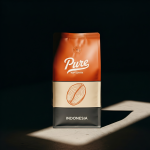
Pure Kopi Luwak
Wild civet coffee from Java. 88.5 SCA cupping score. From $125 for 100g.
What a Starbucks Reserve Cup Actually Is
The coffees that rotate through the Reserve program are real specialty lots. Starbucks sources them through direct partnerships and auction purchases — including Cup of Excellence lots and other competition-tier coffees. The Clover machine, now proprietary to Starbucks after the acquisition, uses a vacuum-press method that produces a cup closer to French press in texture than standard drip, with better temperature control than most home brewers achieve.
The price — $5 to $10 per cup — reflects genuine cost. Rare single-origin green coffee can run $10 to $40 per pound wholesale at the quality level Reserve sources; add roasting, labor, overhead, and the Starbucks margin, and $8 for a cup of a limited Kenyan lot is not irrational pricing.
What it can’t offer is exclusivity or rarity in any meaningful sense. The same coffee appears at dozens to hundreds of locations simultaneously. The experience is curated and consistent, which is a feature for a chain — but it’s the opposite of scarce.
Try the coffee this article is about
Wild-sourced from Java, 88.5 SCA cupping score, free US shipping. From $125 for 100g.
Shop Pure Kopi Luwak →What a Bag of Wild Kopi Luwak Is
Wild kopi luwak operates on a different scarcity model entirely. The Asian palm civet (Paradoxurus hermaphroditus) forages freely on Javanese coffee farms at night, selecting peak-ripe cherries by smell. The beans pass through the digestive tract over 12 to 24 hours, during which proteolytic enzymes break down specific proteins in the bean’s outer layers — the precursors to bitterness that develop during roasting. The beans are then collected from the forest floor by hand, washed, dried, hulled, and sorted.
Each kilogram of authentic wild kopi luwak represents the collection work of multiple nights and multiple civets. There is no way to industrialize the foraging behavior of a wild animal. The Indonesian kopi luwak production that qualifies as genuinely wild-sourced is estimated at a few hundred kilograms per year across all legitimate producers — a vanishingly small number compared to the millions of bags of regular specialty coffee traded annually.
The flavor consequence of the civet’s processing is documented in peer-reviewed food chemistry research: measurably lower concentrations of malic and citric acids than in conventional coffee from the same origin, reduced bitter compounds, a smoother and denser body. These aren’t subjective impressions — they’re the chemical result of what the civet’s digestive system does to the bean.
The Cost-Per-Cup Reality
Here’s where the comparison becomes concrete. A 100g bag of wild kopi luwak, brewed carefully at 12g per cup in a pour-over or AeroPress, yields approximately 8 cups. At $125 per bag, that’s about $15.60 per cup. At $199, it’s around $25 per cup.
A Starbucks Reserve cup runs $5 to $10 per cup, depending on the lot and location. At a Reserve Roastery, prices can exceed $10 for the rarest offerings.
The kopi luwak cost-per-cup is higher — roughly double a Reserve bar cup at the midpoint. But the experience is fundamentally different in character. At a Reserve bar, you’re buying a curated specialty coffee in a retail environment, served by a trained barista, consumed in 15 minutes and done. With a bag of kopi luwak at home, you’re buying the raw material to produce 8 to 10 of the best cups you’ve had, on your schedule, in your space, using whatever brewing method you prefer.
See the full cost-per-cup breakdown if you want to run your own numbers based on bag size and brew ratio.
Who Each Option Is For
A Starbucks Reserve experience is for someone who wants a rare coffee without the homework. The research, sourcing, and preparation have been done; you show up, pay, and drink a genuinely good cup. That’s a legitimate value proposition for the curious coffee drinker who wants access to quality without learning to dial in a grinder.
Wild kopi luwak at home is for someone who actually wants the best cup — the one that behaves differently than anything a retail chain can offer, because its character comes from a process that no commercial operation can replicate at scale. It’s also for the person who will tell others about it: the story of wild civet selection and enzymatic transformation travels well in a way that “I had a Reserve bar Kenyan lot” doesn’t.
And it’s for the person who understands that the most extraordinary coffee experience isn’t the one that costs the most at the counter. It’s the one brewed at the right ratio, at the right temperature, in a quiet kitchen, with an animal-selected bean that has been through a process fifty years of coffee science has yet to fully replicate.
The Question Worth Asking
Before spending $8 on a Reserve bar cup, it’s worth asking: would I rather have this one cup here, or $15 toward a bag that produces eight cups at home, each of which will taste like something I’ve genuinely never had before?
For most serious coffee drinkers who have tried both, the answer isn’t difficult. Pure Kopi Luwak ships from Java in whole-bean form, roasted to order, with a clear roast date and a sourcing chain that goes directly to Javanese farms where civets forage freely. For context on what makes wild-sourced coffee categorically different from commercial kopi luwak, see why 90% of commercial kopi luwak tastes wrong.
Pure Kopi Luwak
Wild civet coffee from Java. 88.5 SCA cupping score. From $125 for 100g.
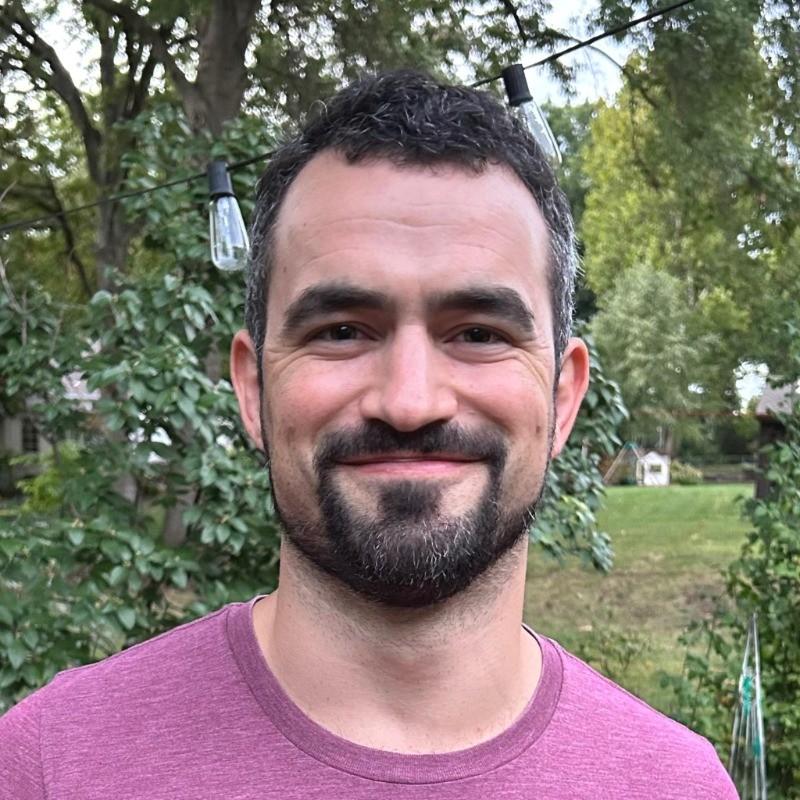
Roger Abbott founded Pure Kopi Luwak in 2018 after a trip through the volcanic highlands of Java, and has bought from the same farming families ever since. He only works with collectors of wild civet coffee, never caged. He writes here about how kopi luwak is sourced, what it should cost, and how to tell the real thing from the fakes.