According to The Knot Real Weddings Study, the average American wedding cost approximately $30,000 in 2023 — a number that distributes across venue, catering, photography, florals, music, and dozens of other line items, each of which the couple has agonized over for months. At the bottom of that list, often an afterthought, is the wedding favor: the small token that guests carry home at the end of the night to remember the day. Most wedding favors are not remembered. Personalized Hershey’s bars, heart-shaped soaps, wine bottle stoppers with the wedding date engraved on them — these items make the trip from table to guest handbag to the back of a drawer within a week. The favor that actually gets used, talked about, and associated with the wedding for years is the anomaly, not the norm.
Wild kopi luwak as a wedding favor is that anomaly. It’s rare enough that most guests will never have encountered it, practical enough that it gets used rather than displayed and forgotten, and it carries a story — wild civets, Javanese highlands, enzymatic transformation — that generates conversation at the table and continues to generate it for weeks afterward when guests brew it at home and tell the story to someone who wasn’t at the wedding.
Why Edible Favors Work Better Than Objects
The trend toward consumable wedding favors reflects a practical insight: objects accumulate, experiences disappear cleanly. A guest who receives artisanal honey, high-quality olive oil, or specialty chocolate doesn’t need to find a place for it in their home — they use it, enjoy it, and associate the quality of the experience with the occasion it came from. The favor that generates the most goodwill is the one that delivers a genuinely good moment at 7 AM three weeks after the wedding, when the recipient opens the cabinet and sees the bag from that beautiful wedding in Portugal.
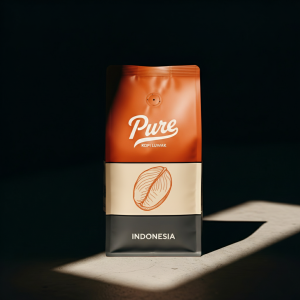
Pure Kopi Luwak
Wild civet coffee from Java. 88.5 SCA cupping score. From $125 for 100g.
Wild kopi luwak works particularly well in this format because the story accelerates the memory. Honey is pleasant; exceptional honey from a specific apiary with a known flavor profile is more memorable. Kopi luwak is not just “good coffee” — it’s the coffee produced by wild Asian palm civets selecting peak-ripe cherries in the Javanese highlands, where proteolytic enzymes during digestion reduce bitterness and modify the acid profile in ways that no conventional processing method replicates. That story, printed on the bag or included on a card tucked inside, turns every cup the guest brews into a moment that reactivates the memory of the wedding. That’s what no wine bottle stopper or personalized chocolate box can do.
Try the coffee this article is about
Wild-sourced from Java, 88.5 SCA cupping score, free US shipping. From $125 for 100g.
Shop Pure Kopi Luwak →The Practical Side: Quantities and Costs
A 100-gram bag of wild kopi luwak retails at $125 from verified wild-sourced Java suppliers. For a wedding of 100 guests, 100 bags represents a $12,500 investment in favors — at the high end of what most couples spend on the favor line item, which typically runs $3-20 per guest for standard favors. That puts wild kopi luwak firmly in the premium wedding category: comparable to small-format luxury chocolates from a well-known chocolatier, or artisanal spirits samples in branded bottles.
For couples who want to offer kopi luwak at a more accessible scale, there are options. A single 100-gram bag shared between a table of eight guests is still a meaningful gift — a note on the table explaining what it is and suggesting they brew it together, or split it at home, turns the communal aspect of the favor into part of the experience. For a 12-table wedding, 12 bags at $1,500 total places one on every table and ensures every guest goes home with a share of something genuinely genuine. Forty bags for a 40-table reception covers the same ground at the per-bag rate.
Bulk purchasing for wedding quantities is worth discussing directly with suppliers. What matters is that the per-guest cost frames correctly: this is a premium consumable experience rather than a keepsake object, and the comparison point isn’t the $6 personalized wine stopper but the $15-25 artisanal food favor that couples regularly offer at premium weddings.
The Story Presentation
The favor works best when the story is delivered with it. A small card — or a custom label on the bag — that explains the origin in 3-4 sentences does the work: “This is wild kopi luwak from Java, Indonesia. Free-roaming Asian palm civets select the ripest coffee cherries in the Javanese highlands and pass them through their digestive system over 12-24 hours. Enzymes transform the bean during this process, creating the world’s smoothest coffee. Brew it to celebrate your morning.” That framing turns the favor from “a bag of coffee” to “the rarest coffee in the world, which you now know how to appreciate.”
For guests who don’t drink coffee, the favor still functions: kopi luwak is a conversation piece independent of whether you brew it. The story of wild civet selection and enzymatic processing is interesting enough to relate at work on Monday regardless of whether the recipient owns a coffee grinder. In this sense it has an advantage over most edible favors, which require consumption to deliver value. Kopi luwak delivers value as a story even to people who give it away.
Who It’s Particularly Right For
Not every wedding calls for a $125-per-bag favor. What wild kopi luwak suits well is the wedding where the couple has been intentional about quality throughout: where the wine was selected rather than default-catered, where the food program reflects genuine thought about the dining experience, where the favor table is expected to match the rest of the evening’s level. For that couple — and for destination weddings where the favor serves as a keepsake from the location’s premium — kopi luwak occupies a unique position. It’s the luxury food gift that tells a story no chocolatier or honey producer can match: a wild animal in the forests of Java, selecting each cherry, delivering a favor that traveled from a Southeast Asian hillside to a wedding table somewhere in the world. That narrative is genuinely worth having at the end of an evening you spent a year planning.
Pure Kopi Luwak
Wild civet coffee from Java. 88.5 SCA cupping score. From $125 for 100g.
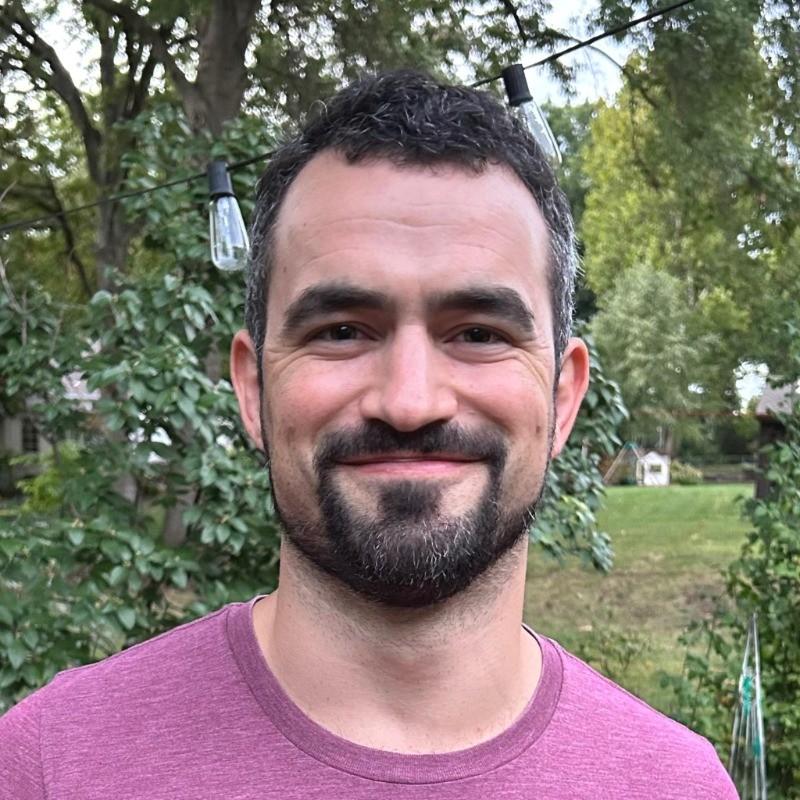
Roger Abbott founded Pure Kopi Luwak in 2018 after a trip through the volcanic highlands of Java, and has bought from the same farming families ever since. He only works with collectors of wild civet coffee, never caged. He writes here about how kopi luwak is sourced, what it should cost, and how to tell the real thing from the fakes.