The average American who visits a coffee shop daily spends somewhere between $4 and $7 per visit, which adds up to roughly $1,500 to $2,500 per year on coffee consumed outside the home. Almost no one thinks about it that way. It’s a daily small expense that doesn’t feel like a decision because it never requires one — you walk by, you order, you keep walking. The cognitive friction is essentially zero.
Buying a $125 bag of the world’s rarest coffee for yourself feels completely different. It requires a conscious act. You have to think about it, decide it’s worth it, and complete a purchase that registers as significant. And yet the per-cup economics, examined honestly, make the $125 bag look like the conservative choice.
The Math That Changes the Conversation
A 100g bag of wild kopi luwak produces approximately 15 to 18 cups, depending on your brewing method and ratio. At $125 for the bag, that’s $7 to $8 per cup — comparable to what a specialty coffee shop charges for a single pour over made with a quality single-origin bean. The difference is that you’re drinking something that cannot be ordered at any coffee shop. Wild Javanese kopi luwak, sourced from free-ranging civets rather than caged animals, is available only from a small number of direct-to-consumer suppliers. It is, by any definition of the word, rare.
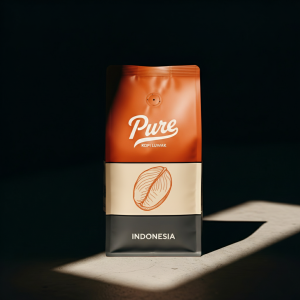
Pure Kopi Luwak
Wild civet coffee from Java. 88.5 SCA cupping score. From $125 for 100g.
So the actual self-gift decision isn’t $125 versus zero. It’s $125 for 15 to 18 exceptional cups versus $105 to $126 for the same number of good cups at your usual café. The price is nearly identical. The experience is not.
What “Treating Yourself” Actually Means in the Context of Coffee
There’s a well-documented psychological pattern in luxury purchasing: we routinely buy premium versions of things for other people while buying mid-range versions for ourselves. We’ll spend $100 on a bottle of wine for a host but drink a $20 bottle at home. We’ll buy the cashmere sweater as a gift but grab the acrylic one for our own wardrobe. Coffee follows this pattern exactly. Most people who would readily spend $125 on a coffee gift for someone they care about would hesitate to spend the same amount on themselves.
The hesitation is worth examining. What it usually comes down to is not the money — it’s permission. Luxury for oneself requires internal justification that luxury for others doesn’t. The framing “I bought this for me” feels indulgent in a way that “I bought this for someone I love” does not. But the product is identical. The experience it produces is identical. The only thing that changes is the story you tell yourself about why you’re allowed to have it.
The Morning Ritual Argument
The first 30 minutes of a morning — before the phone fully takes over, before the day’s obligations start to assert themselves — is arguably the most valuable unstructured time in most people’s days. What happens in that window shapes the tone of everything that follows, at least modestly. A cup of coffee made with genuine attention to quality, brewed from beans that required a wild animal’s discernment to select, consumed slowly while something else is quiet, is a meaningfully different experience from something made in 90 seconds from a capsule.
Wild kopi luwak encourages that kind of attention partly because of its price — you don’t rush through something that costs $8 a cup — and partly because of its flavor profile. The enzymatic transformations it undergoes during civet digestion produce a cup with notably less bitterness and lower acidity than comparable Arabica beans from the same region. The smoothness is real, documented in food chemistry research that has compared the organic acid content of kopi luwak to conventionally processed beans. You can taste the difference.
What You’re Actually Buying
Pure Kopi Luwak, sourced from wild civets on Javanese highland farms, is coffee at the absolute ceiling of what the natural world can produce without human intervention. The civet selects the cherries. The civet’s digestive enzymes transform the bean. Human hands collect, wash, dry, and package what results. The output is limited by biology — no volume target changes how many cherries a wild civet processes in a season.
Buying a bag for yourself is an acknowledgment that your daily experience is worth the same quality you’d give someone else. The morning ritual you’ll have for the 15 or 18 cups that bag produces won’t be extraordinary in any way that other people can observe. Nobody gives you credit for it. But you’ll know the difference, and you’ll have paid attention to something remarkable for a few minutes on a Tuesday before the workday started.
That’s a reasonable use of $125. That’s, in fact, one of the better uses of it. For more on whether the price holds up under scrutiny, the honest assessment of whether kopi luwak is overrated covers exactly that question.
Pure Kopi Luwak
Wild civet coffee from Java. 88.5 SCA cupping score. From $125 for 100g.
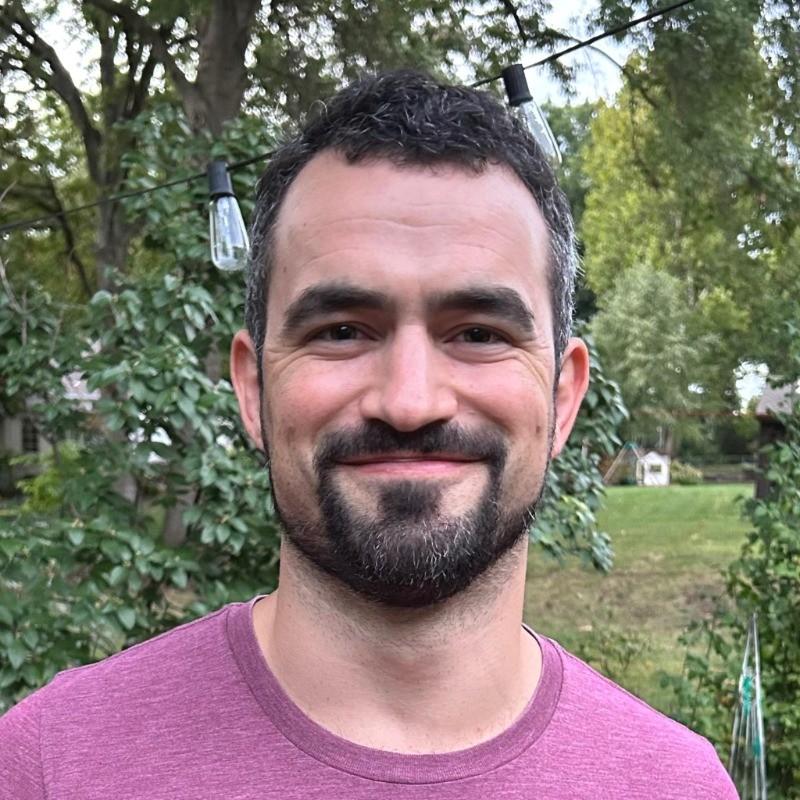
Roger Abbott founded Pure Kopi Luwak in 2018 after a trip through the volcanic highlands of Java, and has bought from the same farming families ever since. He only works with collectors of wild civet coffee, never caged. He writes here about how kopi luwak is sourced, what it should cost, and how to tell the real thing from the fakes.