Somewhere in an office right now, someone is getting promoted. And somewhere nearby, someone is heading to the wine store to buy a bottle of something they'll present in a bag with tissue paper. The bottle will be opened that evening, finished that evening, and the identity of the giver will be hazy by the following weekend.
This is not a knock on wine. It's an observation about the logic of gifts. A gift that is consumed immediately, in the moment of celebration, becomes part of the celebration itself rather than a separate thing to be remembered. The bottle of champagne is the toast. It isn't the thought behind the toast.
Wild kopi luwak from Java operates differently — not because it's more expensive, but because of when and how it's experienced.
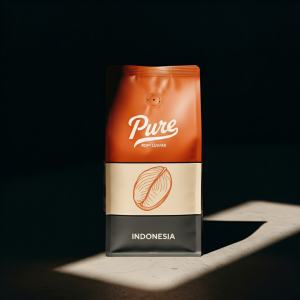
Pure Kopi Luwak
Wild civet coffee from Java. 88.5 SCA cupping score. From $125 for 100g.
The Difference Between a Celebration Gift and a Morning Gift
A promotion is celebrated once and then lived with every morning after. The reality of a new role — the harder decisions, the longer hours, the different quality of attention required — arrives the morning after the congratulations, when the promoted person sits down with a cup of coffee and starts the day at their new level of responsibility.
A gift of wild kopi luwak shows up at that moment. Not at the party, but on a Tuesday at 7 AM when there's nothing celebratory happening. The bag is in the cupboard, there are a few cups left, and the person making coffee remembers: someone thought this promotion was worth giving something rare for. That memory, arriving on a quiet morning, lands differently than the memory of a nice bottle finished over dinner.
This is why the occasion calls for a morning gift, not a celebration gift. The celebration already happens at the announcement. The gift should be for the mornings that follow.
What Wild Kopi Luwak Is and Why It Fits the Occasion
The Asian palm civet (Paradoxurus hermaphroditus), a nocturnal omnivore native to South and Southeast Asia, has coexisted with Javanese coffee cultivation for centuries. During harvest season, civets forage through coffee plantations at night, selecting and eating peak-ripe coffee cherries with a selectivity that outperforms any human harvesting operation at scale. The beans that transit the civet's digestive tract over 12 to 24 hours emerge chemically transformed — lower in bitter protein precursors, lower in sharp organic acids — with a flavor profile that has no direct equivalent in the specialty coffee world.
The cup is notably smooth. Low bitterness, low acidity, long finish — dark chocolate and something between dried fruit and earthiness that becomes more specific as the coffee cools slightly. It's a cup that rewards attention rather than demanding tolerance, which makes it appropriate for the morning that follows a significant professional moment: it asks to be noticed, not just consumed.
That specificity makes it the right promotion gift in a way that wine or a gift card isn't. You're not giving the promoted person something generic that happens to cost $100. You're giving them something specific that requires knowing what it is to give — which is itself a form of regard.
The Story That Comes With It
Wild kopi luwak is one of the few consumable gifts that travels as a story. The colleague who receives it will mention it at the next team meeting when someone asks what they did to celebrate. They'll serve it to a friend who visits the weekend after the news. They'll explain the civet process to someone who's never heard of it — which is most people — and watch the face of someone going through the progression from genuine confusion to genuine interest.
This is not incidental. The story is part of the gift. Pure Kopi Luwak ships with enough background on the sourcing and processing that the recipient understands what they have — which means they know how to talk about it, and they remember where it came from when they do.
A 100-gram bag yields approximately ten cups. At $125, that's ten separate mornings at a new level of their career, each one marked with something worth slowing down for. Compare that to a bottle of wine at similar price: one evening, consumed in company, memory softened by morning. Both are legitimate gifts. One of them is still being thought about on day eleven.
When This Gift Works and When It Doesn't
This works for the person who drinks coffee. Not everyone does, and giving kopi luwak to someone who runs on tea or green juice is a misfire. But for the promoted coffee drinker — the one who has a preferred order at the coffee cart, who has ever described a cup as “good” or “terrible” without being prompted — this is the gift that fits the moment precisely.
It also works best when the promotion is a genuine step up rather than a lateral title change. The rare coffee signals that the occasion is rare, which is a message worth delivering. For the person who has worked hard for something genuinely difficult, the case for kopi luwak as an executive and client gift applies equally here: what you give communicates what you think the occasion is worth. Ten mornings of the world's most carefully sourced coffee is a clear statement on that question.
The wine will be gone by midnight. The kopi luwak will still be in the cupboard next week, next month, on the quiet mornings that come before the difficult days that arrive with every new role. That's the morning gift. That's what lasts.
Pure Kopi Luwak
Wild civet coffee from Java. 88.5 SCA cupping score. From $125 for 100g.

Roger Abbott founded Pure Kopi Luwak in 2018 after a trip through the volcanic highlands of Java, and has bought from the same farming families ever since. He only works with collectors of wild civet coffee, never caged. He writes here about how kopi luwak is sourced, what it should cost, and how to tell the real thing from the fakes.