Three years in Singapore, and the thing she mentioned first about coming home — before the cold, before the accent, before the streets that looked smaller than she remembered — was the coffee. Not that home coffee was better. Just that it was different in a way she hadn’t anticipated, and that the difference landed somewhere specific and hard to name.
This is well-documented in expatriate psychology. The phenomenon researchers call “reverse culture shock” affects somewhere between 65% and 80% of returning expats, according to studies from the University of the Pacific’s cross-cultural reentry program. Unlike the culture shock of arriving somewhere new, reverse culture shock is the disorientation of returning somewhere familiar that no longer quite fits. The coffee — along with a hundred other small sensory anchors — is part of what no longer fits.
What Coffee Means to a Returning Expat
Coffee is one of the most geographically specific beverages in existence. The same bean, processed differently, roasted differently, brewed differently, produces an entirely different sensory experience depending on where you are. After years in a coffee culture that differs from home — the kopi culture of Southeast Asia, the espresso precision of Italy, the third-wave intensity of Australia — returning expats carry sensory memories that domestic coffee cannot always meet.
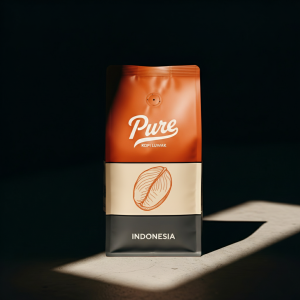
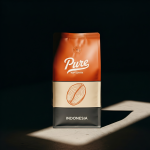
Pure Kopi Luwak
Wild civet coffee from Java. 88.5 SCA cupping score. From $125 for 100g.
For some this is about the familiar: they want the flat white they learned to love in Melbourne, the kopi tarik they drank in Penang, the cortado from the Lisbon café where they read the news every morning for eighteen months. For others it’s about something larger — a coffee that acknowledges that they’ve changed, that the person who left isn’t quite the person who returned, and that this is worth marking.
Wild kopi luwak from Java sits at an unusual intersection for returning expats. It’s Indonesian — part of the geography many expats know from time in Southeast Asia — and it’s genuinely rare in the way that things they’ve experienced abroad often are. It’s not something you find in an airport. It’s not something that came to them; they have to find it. For someone who spent years navigating unfamiliarity, this kind of intentional discovery feels appropriate.
The Gift That Acknowledges the Transition
Welcoming someone home after years abroad is a social challenge that most gift guides handle badly. The standard options — wine, chocolates, home goods — presuppose a domestic frame of reference that the returning expat has spent years dismantling. What they need is something that meets them where they actually are: in transition, carrying experiences that don’t fit neatly into the home they left.
A 100g bag of wild kopi luwak does something specific for this moment. It’s familiar enough to be accessible — coffee is the universal language — and unusual enough to create a conversation. The story of how it’s produced: the Asian palm civet (Paradoxurus hermaphroditus), the highland forests of West Java, the 12-to-24-hour digestive process that reduces bitterness and modifies acid content, the collection from the forest floor before dawn. This isn’t the story of a coffee from a supermarket shelf. It’s the kind of coffee someone brings back from a trip they took intentionally.
For the person who has just completed three, five, or ten years of intentional living somewhere else, receiving that kind of coffee from someone at home is a specific message: your experiences matter. What you’ve done is worth this kind of attention. The psychology of rare gifts is partly about rarity and partly about signal — what the giver is communicating through the choice. For returning expats, kopi luwak communicates something that a bottle of wine cannot.
How to Give It
The practical side is straightforward. Wild kopi luwak is sold as whole bean, sealed for freshness, and ships worldwide. The 100g bag is enough for ten cups — ten mornings of the kind of coffee ritual that expats often miss most acutely: the unhurried cup before the day begins, brewed properly rather than grabbed on the go.
Pair it with a simple note that acknowledges the journey. Not a long letter. Just a line that says something like: “This is from Indonesia. So, in a way, is a piece of what you just lived.” Most returning expats have someone who can identify a coffee worth brewing carefully and slowly. Make sure the person who gives it is that person, even briefly, for the morning they come home.
The adjustment period after returning from abroad averages three to six months, research suggests. The sensory re-anchoring — finding the foods, the smells, the routines that make a familiar place feel livable again — is part of what makes that period manageable. A cup that carries history, that requires attention, and that tastes unlike anything sold at the corner shop is one small contribution to that process. It won’t solve reverse culture shock. But it’s the kind of gift that says someone noticed it was happening.
Pure Kopi Luwak
Wild civet coffee from Java. 88.5 SCA cupping score. From $125 for 100g.
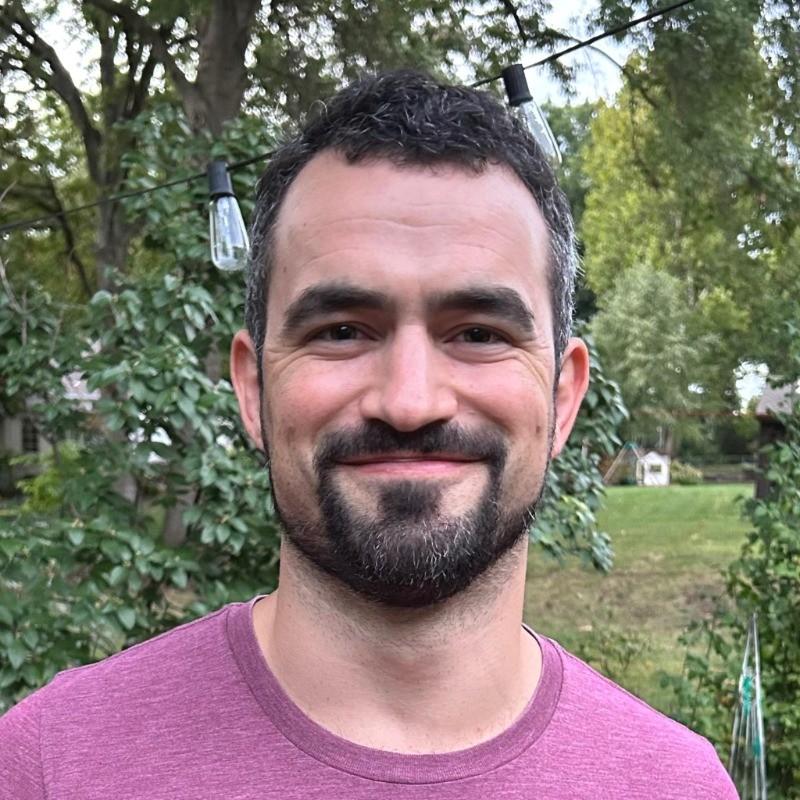
Roger Abbott founded Pure Kopi Luwak in 2018 after a trip through the volcanic highlands of Java, and has bought from the same farming families ever since. He only works with collectors of wild civet coffee, never caged. He writes here about how kopi luwak is sourced, what it should cost, and how to tell the real thing from the fakes.