Most kopi luwak on the market is not what it claims to be. That’s not a dramatic statement — it’s the finding of multiple independent investigations into the industry. Mislabeled origins, caged civets passed off as wild, Robusta beans sold at Arabica prices. The fakes are sophisticated enough that even experienced buyers get fooled.
We’ve spent years sourcing from the highlands of East Java and talking to the farmers who actually collect this coffee. Along the way, we developed a set of standards we apply to every lot we consider buying. This post shares those standards with you — because an informed buyer is harder to deceive, and that’s good for everyone.
If you’re new to kopi luwak, start with our primer on what it actually is. If you’ve already seen suspiciously cheap options and wondered whether they’re real, read our breakdown of what low prices usually mean. Then come back here and use these seven signs as your checklist.
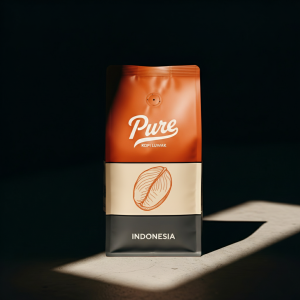
Pure Kopi Luwak
Wild-sourced. Organic. Arabica. From $125.
1. A Specific, Named Origin — Not Just “Indonesia”
Indonesia is a country of over 17,000 islands. “Indonesia” as an origin tells you almost nothing. Genuine wild kopi luwak comes from a specific island, a specific region, often a specific forest or elevation range. Sumatra, Java, Sulawesi, Flores — these each produce coffee with distinct flavor profiles because the geography, altitude, and civet species vary dramatically.
Vague origin claims are a red flag. Sellers who know their source are proud to name it. Sellers who don’t know — or who blend from multiple unverified sources — fall back on broad, untraceable labels.
Ask this: “What island and region does your kopi luwak come from, and can you tell me anything specific about the collection area?”
2. An Explicit Wild-Sourcing Statement
The word “wild” needs to appear in plain language — not implied, not suggested by imagery of forests and civets roaming free. Caged-civet operations exist at scale, and their marketing often borrows the aesthetic of wild sourcing without making the claim directly. Phrases like “naturally processed,” “ethically made,” or “from the finest civets” say nothing about whether those animals live in the wild or in a battery cage.
The distinction matters for welfare reasons, but it also matters for quality. Wild civets select ripe cherries by instinct and season. Caged civets are force-fed whatever’s available. The resulting coffee is not the same product.
Ask this: “Can you confirm in writing that your kopi luwak is sourced from wild civets, not caged or farmed ones?”
3. A Price That Reflects Real Production Costs
We’ll be direct: genuine wild kopi luwak cannot be sold profitably at low prices. The collection process — searching forest floors for civet droppings, hand-picking intact beans, washing and sorting by hand — is labor-intensive and low-yield. A single civet might contribute only a few hundred grams of usable beans in a season. There are no economies of scale that bring this cost down to commodity levels.
A reasonable floor for authentic wild kopi luwak is around $75 per 100g from a reputable source. You’ll find offerings well below that. Some of them are caged-civet coffee. Some are blended with conventional beans. Some are outright fraud — ordinary coffee relabeled. The price alone doesn’t guarantee authenticity, but a price far below market rate should trigger serious scrutiny.
Ask this: “How is your price point possible given the cost of wild collection and small-batch processing?”
4. Arabica Variety, Not Robusta
There are two primary coffee species in commercial use: Arabica and Robusta. Arabica is grown at higher altitudes, has a more complex flavor profile, and costs more to produce. Robusta is hardier, higher-yielding, and significantly cheaper. In a blind cup, most people prefer Arabica.
Much of what’s sold as kopi luwak — especially at lower price points — is Robusta. Sometimes this isn’t disclosed at all. The civet story gets used to elevate what is fundamentally a lower-grade bean. Genuine premium kopi luwak should specify Arabica, and ideally the varietal.
Ask this: “Is this Arabica or Robusta, and can you tell me the specific variety?”
5. Traceable Processing — Not Just “Processed Naturally”
After collection, kopi luwak beans go through washing, drying, hulling, sorting, and grading before roasting. Each stage affects the final cup. A seller who understands their product should be able to describe this process in at least some detail — how the beans are washed, how long they’re dried, and what sorting standards they apply.
“Natural process” or “traditional methods” without further detail is not traceability — it’s a gap. Real small-batch producers know how they process their coffee because they’re either doing it themselves or working closely with someone who does.
Ask this: “Can you walk me through how the beans are processed after collection — washing, drying, and sorting steps?”
6. A Direct-to-Consumer Supply Chain, Not Warehouse Stock
Coffee freshness degrades after roasting. Kopi luwak that has been sitting in a warehouse — or moving through multiple distribution layers — loses what made it worth the price. How the coffee moves between roaster and buyer matters.
Authentic small-batch kopi luwak producers typically sell direct — through their own website, not Amazon FBA or bulk wholesale. Selling direct means a shorter time between roast and delivery. It also means the seller is accountable to you in a way that an anonymous platform listing is not.
Ask yourself: if a brand’s primary channel is a major retail platform, how does that square with small-batch wild collection? The volume and logistics requirements for platform fulfillment and the supply constraints of genuine wild sourcing are difficult to reconcile.
Ask this: “Do you sell direct? How long does it typically take between roasting and shipping? Can I reach someone with questions about a specific batch?”
7. A Transparent Sourcing Story
Genuine wild kopi luwak has a human story behind it. Collectors who work specific forest areas. Farmers or cooperatives who aggregate and process the beans. A chain of custody that someone, somewhere, can describe. If a seller cannot tell you anything about who collected the coffee or where it was processed — if the sourcing story stops at “imported from Indonesia” — that opacity is worth noting.
This doesn’t require a documentary-level account. But it does require more than a marketing paragraph. The best sellers can put you in contact with their source, share photos from the collection area, or at minimum tell you which cooperative or farm they work with by name.
Ask this: “Who collects your kopi luwak, and is there any way to learn more about them or see where it comes from?”
Our Standard
These are the standards we use at Pure. We’d rather lose a sale than have you buy something that doesn’t meet them.
Every lot we sell comes from the East Java highlands, sourced exclusively from wild civets, processed by hand at small-batch facilities we’ve visited directly. If you want to know more about how we source, our product page has specifics — and you can always ask us directly.
Frequently Asked Questions
How can I tell if kopi luwak is wild-sourced just from the packaging?
Look for an explicit statement — the word “wild” used directly, not in a tagline or implied by imagery. Even better: look for a sourcing page, a farm name, or contact information you can use to ask follow-up questions. Legitimate sellers expect and welcome scrutiny about sourcing.
Is all cheap kopi luwak fake?
Not all of it — but most of it isn’t wild-sourced Arabica. At very low price points, the economics of authentic wild collection simply don’t work. You’re more likely looking at caged-civet Robusta, a blend, or conventional coffee relabeled. There are occasional genuine exceptions, but they’re rare enough that significant skepticism is warranted at low prices.
What certifications should I look for?
Honest answer: there’s no universally reliable certification for wild kopi luwak. Some sellers have welfare certifications; most don’t. Certification is one signal, but it’s not the only one — and its absence doesn’t mean a product is inauthentic. The seven signs above are more useful than looking for a single certificate.
Does Pure Kopi Luwak meet all seven of these standards?
Yes — that’s why we wrote them. East Java origin. Explicit wild-sourced statement. Price that reflects production costs. Specialty Arabica. Described processing. Direct-to-consumer model, ships direct. Sourcing story with photos from origin. We’re aware that any brand can make these claims; we’d encourage you to ask the same questions of us that you’d ask of anyone else.
Pure Kopi Luwak
Wild-sourced. Organic. Arabica. From $125.
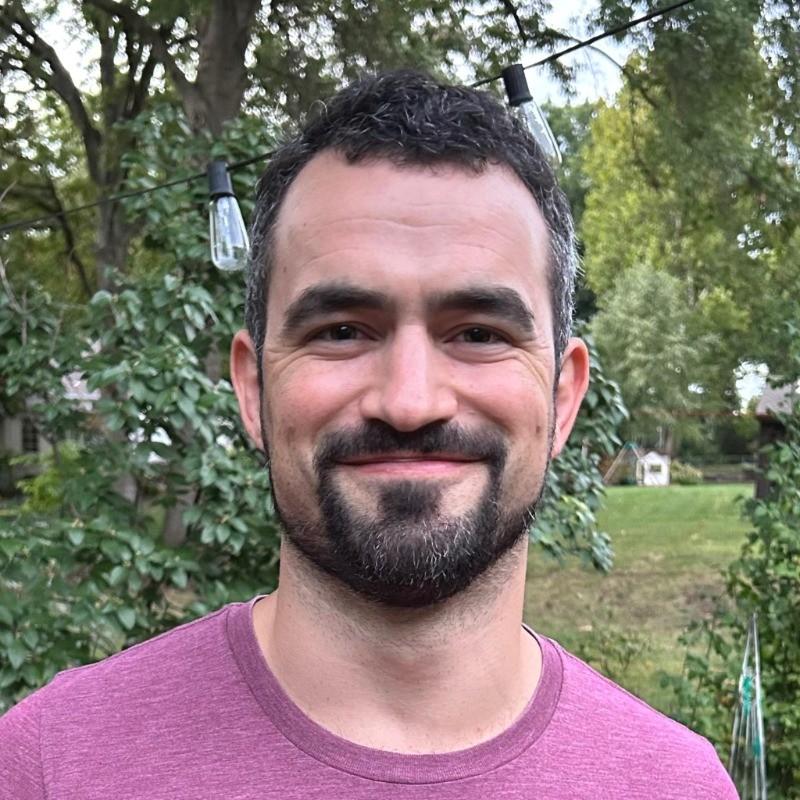
Roger Abbott is the founder of Pure Kopi Luwak. He has spent over a decade sourcing wild kopi luwak directly from farmers and collectors in the highlands of Java, Indonesia — working exclusively with wild civets, never caged. He writes about specialty coffee, Indonesian origins, and the science behind what makes kopi luwak taste the way it does.
