The question comes up in coffee circles, sometimes earnestly and sometimes with an edge of skepticism: who actually buys wild kopi luwak? The implicit version of the question is usually: who spends $125 on a bag of coffee when you can get a very good specialty roast for $25?
The honest answer is more interesting than the caricature suggests. It’s not primarily the ultra-wealthy buying it as a status signal. It’s not mostly tourists buying a story. The actual buyer profile that emerges from who orders authentic wild-sourced kopi luwak from Java is more varied, more thoughtful, and more practically motivated than the assumptions around premium coffee tend to suggest.
The Gift-Giver
The largest single category of kopi luwak buyer is the gift-giver: someone looking for a present for a person who is difficult to buy for, who already has most material things, or whose occasion demands something beyond the ordinary. The graduation gift, the retirement gift, the gift for a CEO who receives hundreds of bottles of wine and has nowhere to put another candle set.
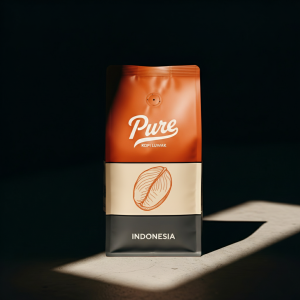
Pure Kopi Luwak
Wild civet coffee from Java. 88.5 SCA cupping score. From $125 for 100g.
This buyer is motivated primarily by the story and the distinctiveness, not by their own coffee preferences. They may not regularly drink specialty coffee themselves. What they understand is that the person they’re buying for will immediately recognize that something unusual and intentional has been chosen — and that the conversation it generates is part of the gift’s value. The $125 purchase is, in this framing, a communication investment as much as a coffee purchase. It says something specific about how seriously the giver is taking the occasion.
The Self-Treater
The second significant buyer type is someone purchasing for themselves, often in connection with a personal milestone or a deliberate decision to consume differently. Grand View Research’s 2025 specialty coffee market report describes this segment as professionals with disposable income who are “increasingly willing to invest in high-quality coffee products that enhance their daily routines” — people who have decided that quality over quantity is the right framework for what they consume, and who are applying that framework to coffee having already applied it to wine, olive oil, or cheese.
For this buyer, $125 for a bag of kopi luwak that produces roughly 25 to 30 cups competes not with a $25 bag of beans but with the cumulative $180 to $200 they’re spending monthly at specialty cafés. The comparison reframes the math. A bag of wild kopi luwak at $4 to $5 a cup brewed at home undercuts café prices while dramatically exceeding café quality — at least for the specific flavor profile that kopi luwak offers.
Try the coffee this article is about
Wild-sourced from Java, 88.5 SCA cupping score, free US shipping. From $125 for 100g.
Shop Pure Kopi Luwak →The Specialist
A smaller but consistent buyer segment is the specialty coffee enthusiast who has worked their way through the canonical origins and methods and is looking for something genuinely different. This person has had Hacienda La Esmeralda Gesha (or at least researched it). They’ve ordered direct from roasters in Ethiopia, Yemen, Colombia. They know what SL-28 and Bourbon varieties taste like. They’ve done the sensory education.
Wild kopi luwak interests this buyer because it represents something that can’t be reached through conventional processing pathways. The enzymatic modifications from the civet’s digestive system — the reduction of bitter-precursor proteins, the modification of surface chemistry, the changes to acid compound profiles — produce a flavor characteristic that no conventional wet process, natural process, or honey process can replicate. For a specialist who has exhausted much of the conventional specialty coffee landscape, wild kopi luwak from Java is genuinely new territory rather than a prestige purchase.
The Skeptic Who Tried It
Perhaps the most surprising buyer profile is the one who appears after a first purchase: the returning customer who bought kopi luwak skeptically, expecting to confirm the hypothesis that the price is unjustified, and instead found themselves genuinely surprised by the cup.
The skeptical buyer profile is particularly interesting because it’s driven by a kind of inverse snobbery — the desire to debunk rather than to celebrate. Someone who has read enough about kopi luwak to be suspicious of its reputation is often exactly the person who comes back, because their prior consumption of specialty coffee has given them a calibrated palate. They taste the enzymatic processing effects as a real difference rather than an imagined one. They recognize that the smoothness and the specific absence of bitterness is not what they expected, and not what any conventional coffee delivers.
What These Buyers Have in Common
The apparent diversity of buyer types — the corporate gift-giver, the self-treating professional, the specialty coffee specialist, the returned skeptic — actually converges on a few shared characteristics.
They value verifiable quality over marketing claims. They’ve read enough to know that most kopi luwak sold in tourist markets and on Amazon is either fake or cage-farmed and therefore not worth the premium. They’re specifically looking for wild-sourced, Java-origin coffee from a supplier with a documentable sourcing story. They are not buying a logo or a lifestyle brand. They’re buying a verifiable product.
They’re also, in most cases, people who have some version of the collecting instinct applied to consumables — the same orientation that leads someone to buy a specific vintage from a small producer rather than a popular label from a large one. They want the thing that has a story worth telling, the thing that will prompt a genuine question rather than a polite nod.
The Mintel 2025 luxury consumer report noted that “economic pressures and evolving consumer preferences are testing the luxury value proposition” — meaning that status purchasing for its own sake is declining, while purpose-driven premium purchasing is growing. The buyer who spends $125 on wild kopi luwak is not primarily performing luxury. They’re making a specific choice about what they want to consume, or what they want to give. That’s a different kind of buyer than the category’s reputation suggests — and probably a more interesting one.
Pure Kopi Luwak
Wild civet coffee from Java. 88.5 SCA cupping score. From $125 for 100g.
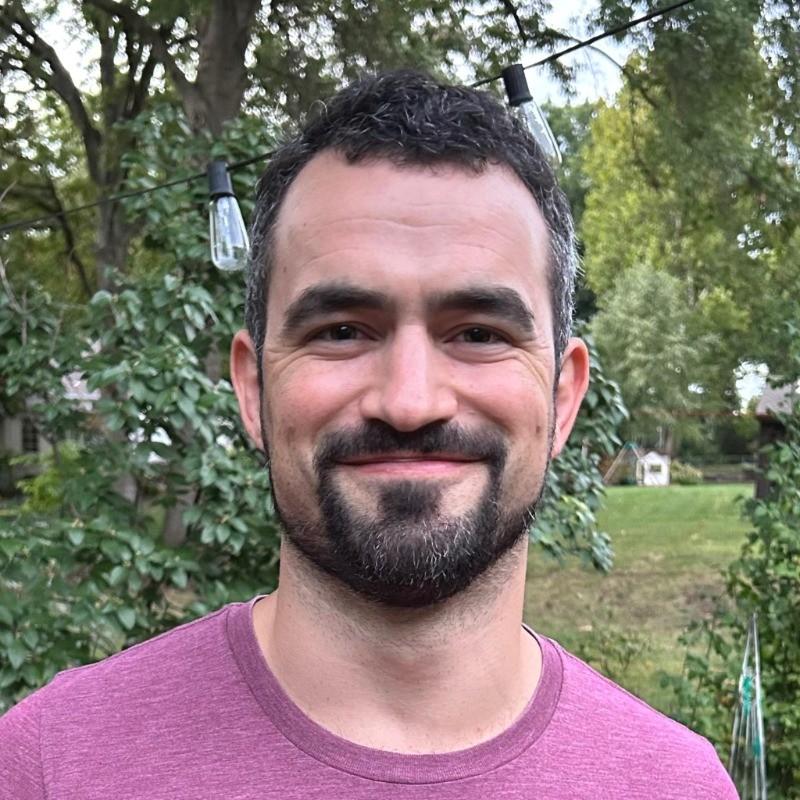
Roger Abbott founded Pure Kopi Luwak in 2018 after a trip through the volcanic highlands of Java, and has bought from the same farming families ever since. He only works with collectors of wild civet coffee, never caged. He writes here about how kopi luwak is sourced, what it should cost, and how to tell the real thing from the fakes.