The One Aldwych hotel in London’s Covent Garden has been offering a kopi luwak tasting service for £45 per person — roughly $57 — for years. Other upscale London hotel venues charge between £35 and £55. The price is not for the cup alone. It’s for the service, the context, and the explanation that comes with it: where the beans are from, how they’re collected, what makes the process unrepeatable. The hotel understands something about kopi luwak that most coffee buyers at home don’t: the story is inseparable from the experience.
Fine dining and luxury hospitality don’t stock things because they’re expensive. They stock them because they can be explained — because the explanation itself is part of what the guest is buying. When an Anantara resort in the Golden Triangle of northern Thailand serves Black Ivory Coffee (processed by elephants on the property, and priced at roughly $3,000 per kilogram at retail), it’s not offering caffeine delivery. It’s offering a thing worth knowing about. Kopi luwak occupies the same position in the rare coffee category: a product that generates its own conversation and justifies its own price through the specificity of its provenance.
What Fine Dining Actually Looks For in Coffee
Michelin-starred restaurants approach coffee with the same logic they apply to wine: provenance, consistency, and a story that can be delivered at the table without embarrassment. The sommelier at a two-star restaurant doesn’t pour a wine they can’t explain. The same principle applies to the coffee service at establishments where the meal ends with something other than a drip pot.
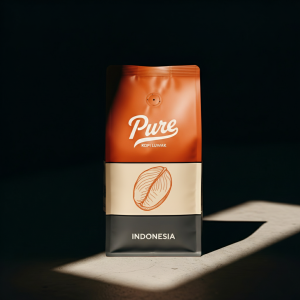
Pure Kopi Luwak
Wild civet coffee from Java. 88.5 SCA cupping score. From $125 for 100g.
Wild kopi luwak passes this test in ways that most specialty coffees don’t. Its provenance is specific — Javanese highland farms, wild Asian palm civets (Paradoxurus hermaphroditus), hand-collection from jungle floors — and its differentiation is scientifically documentable. Research published in food chemistry literature has shown measurably lower concentrations of malic and citric acids in civet-processed beans compared to conventionally processed beans from the same origin. The mechanism is real and explainable: proteolytic enzymes in the civet’s digestive system partially hydrolyze proteins that otherwise serve as bitterness precursors during roasting. The result is a cup with less bitterness, more body, and a longer finish than the same bean processed by washing or natural methods.
That’s a story a sommelier can deliver in forty seconds with confidence. It’s why luxury hospitality gravitates toward it.
Try the coffee this article is about
Wild-sourced from Java, 88.5 SCA cupping score, free US shipping. From $125 for 100g.
Shop Pure Kopi Luwak →The Gap Between What Hotels Charge and What You Can Buy at Home
The economics of kopi luwak in fine dining reveal something important about the category. At £45 per serving in London, a single cup of hotel kopi luwak costs approximately what a week’s worth of cups costs when you buy a 100g bag and brew it yourself at home. The markup between raw material and hotel service price is roughly 10:1 — standard for luxury hospitality, where the room, the staff, the crystal, and the explanation are all baked into the per-unit cost.
What you’re not paying for at home is the atmosphere. What you are getting — and this is the relevant point — is the same raw material those hotels source. A 100g bag of authentic wild-sourced kopi luwak from Java, brewed in a V60 or AeroPress with attention to water temperature and grind consistency, produces a cup that is qualitatively comparable to what a hotel charges £45 to serve. The difference is the setting. The coffee is the same.
This is a comparison worth making explicit, because it changes how people think about the price of buying a bag. $125 for 100g sounds like a premium until you realize that the same quantity would yield 7 to 10 cups at home — or, at hotel pricing, somewhere between $400 and $570 worth of served coffee. The per-cup cost of home brewing rare coffee is not what the hotel charges. It’s what the coffee actually costs, which is substantially less than most people assume when they see it on a menu for the first time.
Why the Explanation Matters
The reason fine dining establishments invest in explaining their coffee — the origin, the process, the why — is that the explanation doubles the value of the experience. A cup that comes with context is a cup that stays in memory. A cup that arrives without context is just caffeine in a nice cup.
This is precisely why the most expensive coffees in the world all have origin stories that can be delivered at a table. Black Ivory Coffee’s story involves Thai elephants and altitude. Hawaiian Kona’s story involves volcanic soil and microclimate. Wild kopi luwak’s story involves jungle foraging, nocturnal animals with olfactory precision superior to any human harvester, and a biological transformation process that’s been occurring in Indonesian forests for centuries before anyone thought to collect and sell the result.
When you give a bag of wild kopi luwak as a gift, you’re giving the story along with the bean. The recipient will repeat it. They’ll brew it and tell whoever’s in the kitchen what they’re drinking. They’ll explain it to a guest the first time they reach for the bag. This is what fine dining understands about rare coffee and what the best gifts share with the best restaurant experiences: they don’t just get consumed. They become part of a conversation that outlasts the occasion.
The Standard Fine Dining Sets — and How to Meet It at Home
Luxury hotels that serve kopi luwak almost always specify medium roast, which preserves the enzymatic modifications made during civet digestion. They brew to order, not in advance. They serve it black first, without milk, and explain why — adding milk to an £45 cup of kopi luwak is like adding ice to a 25-year single malt, technically possible but educationally wasteful.
These are not arbitrary preferences. They reflect what the coffee actually requires to show what it is. The same standards apply at home: brew it with care, serve it black on the first cup, and taste it before adding anything. The hotel experience exists to do this for you in an environment designed for the purpose. The home experience requires you to create that environment yourself — which is, in the end, what people who appreciate fine things do with every other area of their lives.
Pure Kopi Luwak
Wild civet coffee from Java. 88.5 SCA cupping score. From $125 for 100g.
Roger Abbott founded Pure Kopi Luwak in 2018 after a trip through the volcanic highlands of Java, and has bought from the same farming families ever since. He only works with collectors of wild civet coffee, never caged. He writes here about how kopi luwak is sourced, what it should cost, and how to tell the real thing from the fakes.