Every dinner party has a moment where the host's preparation becomes visible. The wine was chosen with thought — a Burgundy that pairs with the main, a white that actually goes with the cheese. The cheese itself came from a specialty counter rather than a supermarket shelf. The main course took three hours and a sauce that was reduced twice. Then someone goes to the kitchen for coffee and returns with a pre-ground can that has been in the cabinet since the last party. Nobody says anything, because what is there to say.
Coffee is the last course. It is also, most of the time, the most thoughtlessly executed one.
The Italian tradition of espresso after dinner — practiced since espresso culture emerged in the early twentieth century and established as custom across Italian households by the 1950s — treats the final cup as part of the meal itself, not as a utility appended to it. Caffeine is believed to support digestion by stimulating gastric acid and bile production. The bitterness of a well-pulled espresso provides a palate-cleansing counterpoint to the richness of what preceded it. The ritual of making it is deliberate, not automatic.
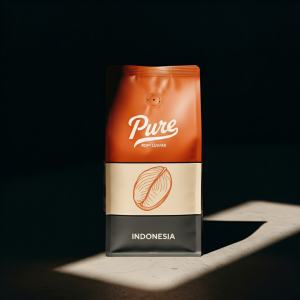
Pure Kopi Luwak
Wild civet coffee from Java. 88.5 SCA cupping score. From $125 for 100g.
Importing that approach to the final course is worth doing — and wild kopi luwak from Java is a better vehicle for it than almost anything else available.
Why the After-Dinner Cup Is Worth Taking Seriously
The coffee served at the end of a meal is the last thing guests taste before they leave. It's what they're drinking during the part of the evening most likely to produce the conversations worth having — when the food is finished, the wine is nearly gone, and nobody has to divide their attention between eating and talking. The quality of what's in the cup during that stretch is more consequential than most hosts realize.
Bad after-dinner coffee — thin, bitter, acidic, from a bag opened weeks ago — produces a small deflation. It doesn't ruin an evening, but it introduces a note of diminishment to something that was otherwise well executed. Good after-dinner coffee — full-bodied, smooth, with flavors that reward a second sip — extends the conversation. It gives people something to comment on. It produces a specific pleasure that is different from, and in some ways more sociable than, the pleasure of the wine.
Wild kopi luwak produces that specific pleasure.
What Happens When You Serve It
The Asian palm civet's role in producing kopi luwak — nocturnally foraging Java's highland coffee plantations, selecting only peak-ripe cherries, passing beans through a digestive process that lowers their bitterness and acid concentrations — is a story worth telling at a dinner table. Not as a gimmick, but as genuine origin information about a genuinely unusual product. When you explain what you're serving, the room shifts slightly. People who were about to reach for their phones decide not to.
The cup itself confirms what the story sets up. Wild kopi luwak's flavor profile — dark chocolate, dried fruit undertones, a long and clean finish — presents differently than any coffee a typical dinner guest has encountered. The smoothness is the first thing people notice: no bitterness, no acidity to wince at, nothing that needs sugar or milk to be drinkable. It works as an espresso or from a French press or as a pour-over. A French press at the dinner table has the advantage of being both visible and somewhat theatrical: the coffee brews in front of the guests, which is its own small performance.
Serving it in small cups — demitasse, or something close — is the right format for after dinner. Six grams per cup for a concentrated French press, or eight grams for a pour-over that fills a standard espresso cup. A 100-gram bag of Pure Kopi Luwak yields enough for eight to twelve after-dinner servings, depending on your guests' preferences — viable for two dinner parties from a single purchase.
The Hosting Logic
There are two kinds of dinner party host. The first produces a technically excellent meal, ensures the wine is correct, and treats coffee as an afterthought. The second understands that the last thing guests experience sets the register for what they say about the evening afterward.
Wild kopi luwak is a hosting decision as much as a purchasing decision. It says: I know what this is, I sourced it specifically, and I'm serving it because this table warrants it. That's a different statement than “I grabbed what was on sale,” and guests read it accurately, even if they don't articulate it.
The wine conversation eventually runs out of things to say. The food has been eaten and commented on. A brief coffee moment at the end of an evening — even a single cup of something genuinely rare — is the kind of thing that gives a dinner party a second act when the first one might otherwise have been winding down. The coffee that stops the conversation is the one worth serving. Wild kopi luwak, in the experience of most people who encounter it for the first time, does exactly that.
The can of pre-ground can wait for Tuesday morning. This is a dinner party.
Pure Kopi Luwak
Wild civet coffee from Java. 88.5 SCA cupping score. From $125 for 100g.

Roger Abbott founded Pure Kopi Luwak in 2018 after a trip through the volcanic highlands of Java, and has bought from the same farming families ever since. He only works with collectors of wild civet coffee, never caged. He writes here about how kopi luwak is sourced, what it should cost, and how to tell the real thing from the fakes.