Annette N.
Oct 6, 2026
I keep a bag at home and one at the office. Colleagues think I'm bougie. They're not wrong.
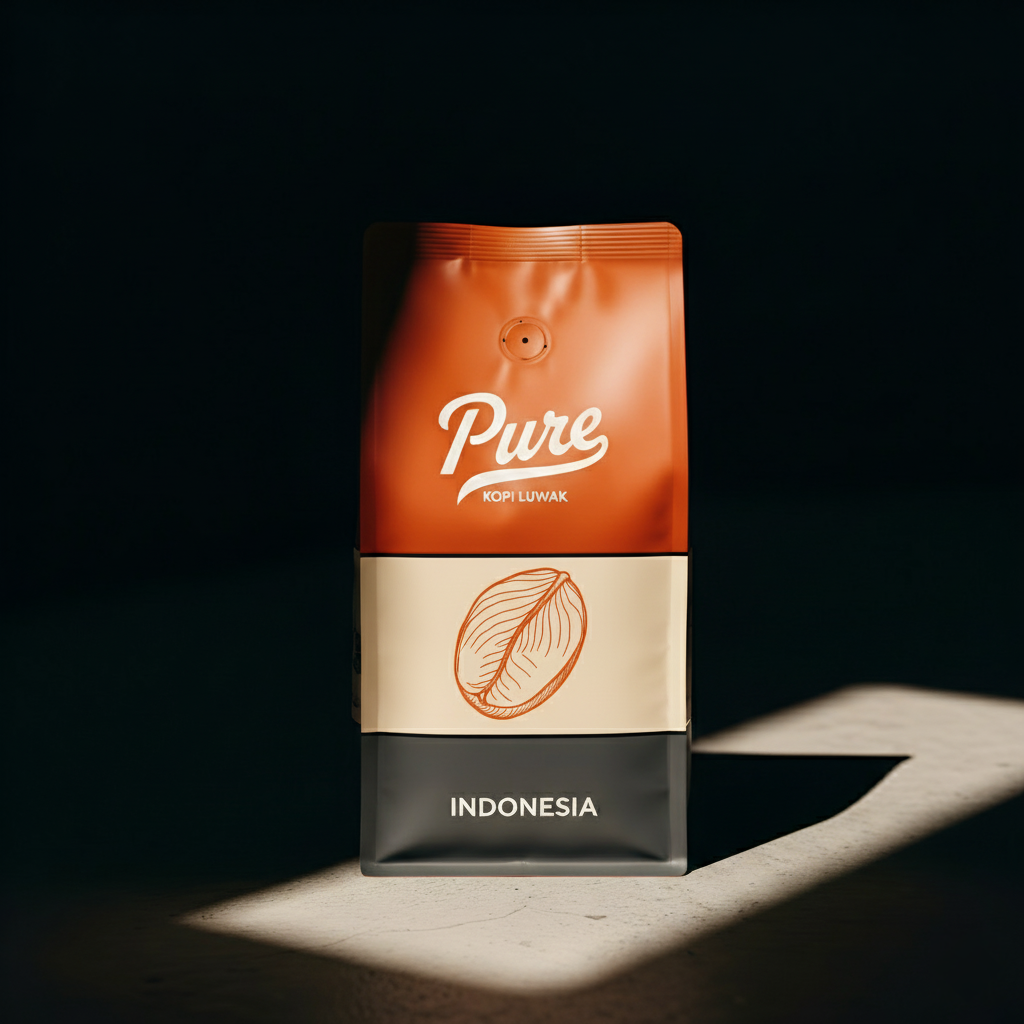
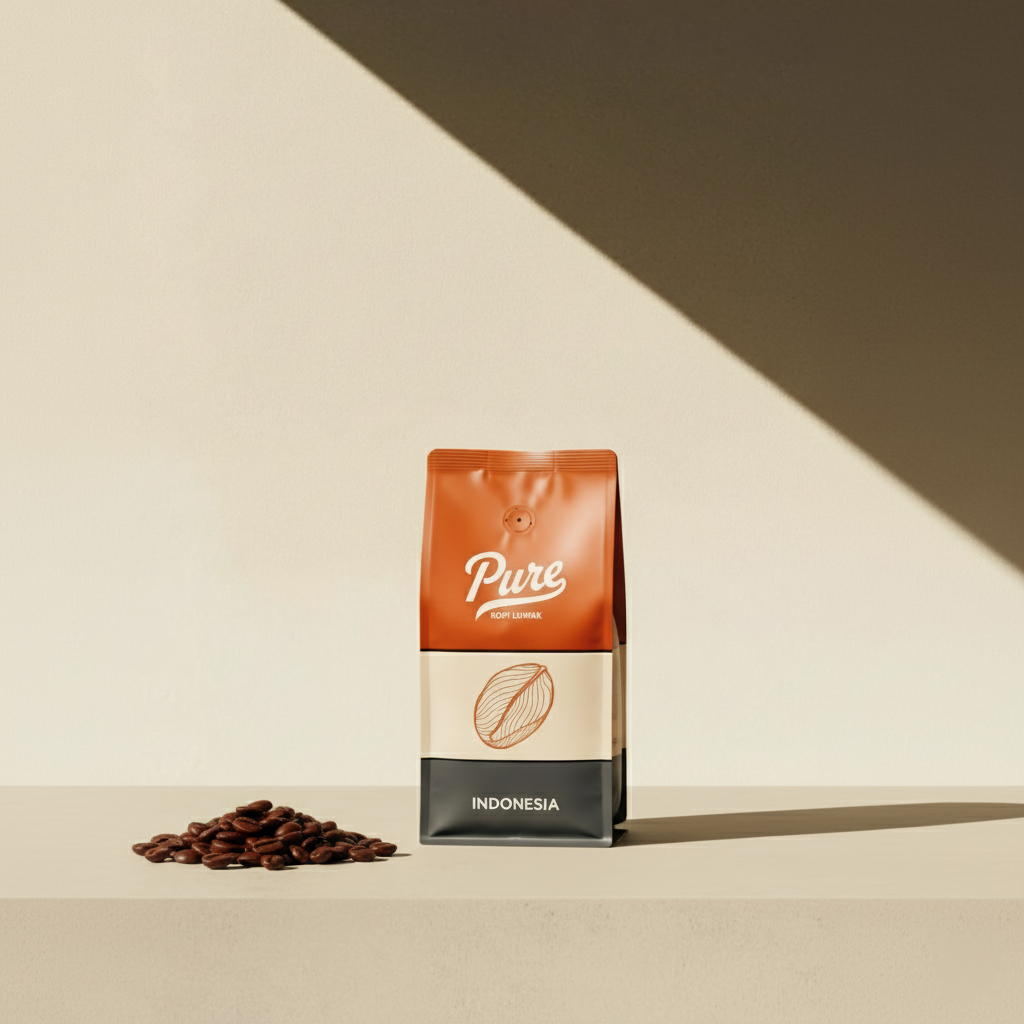
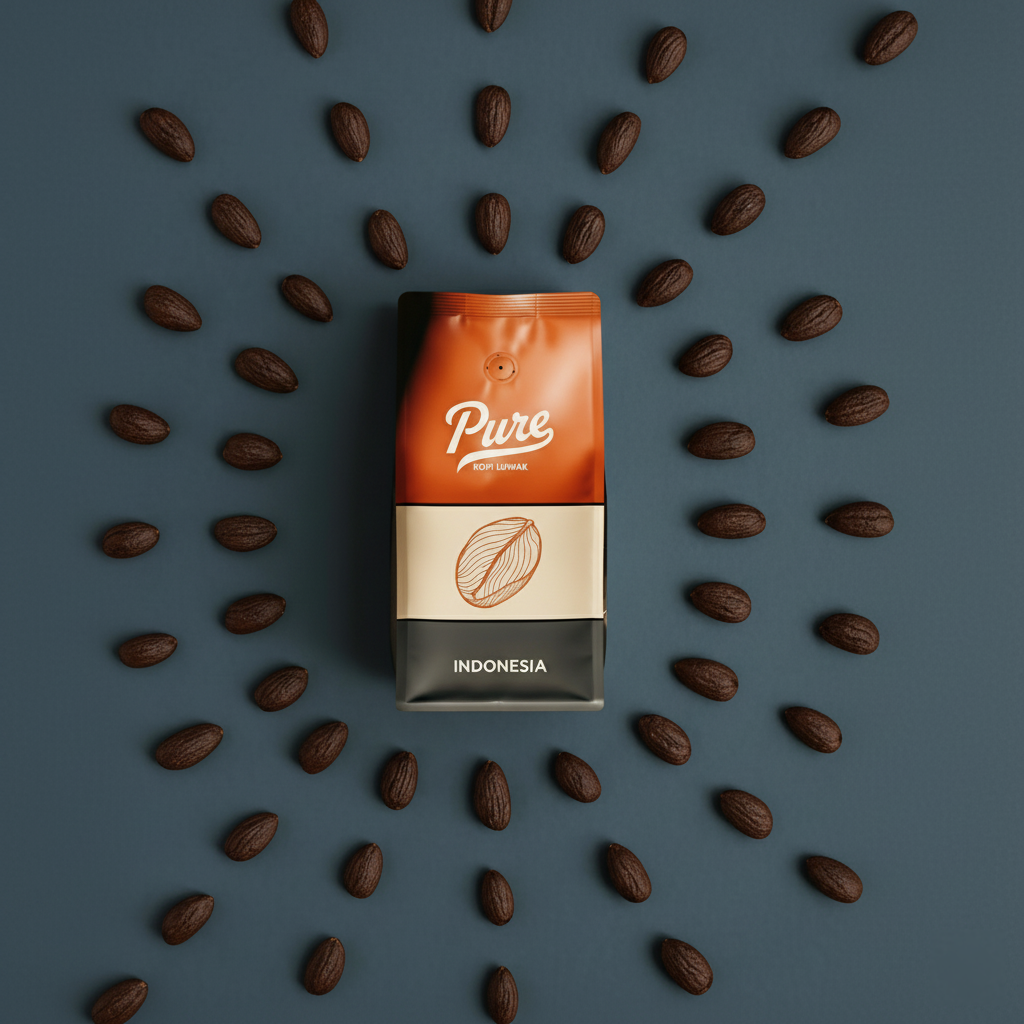
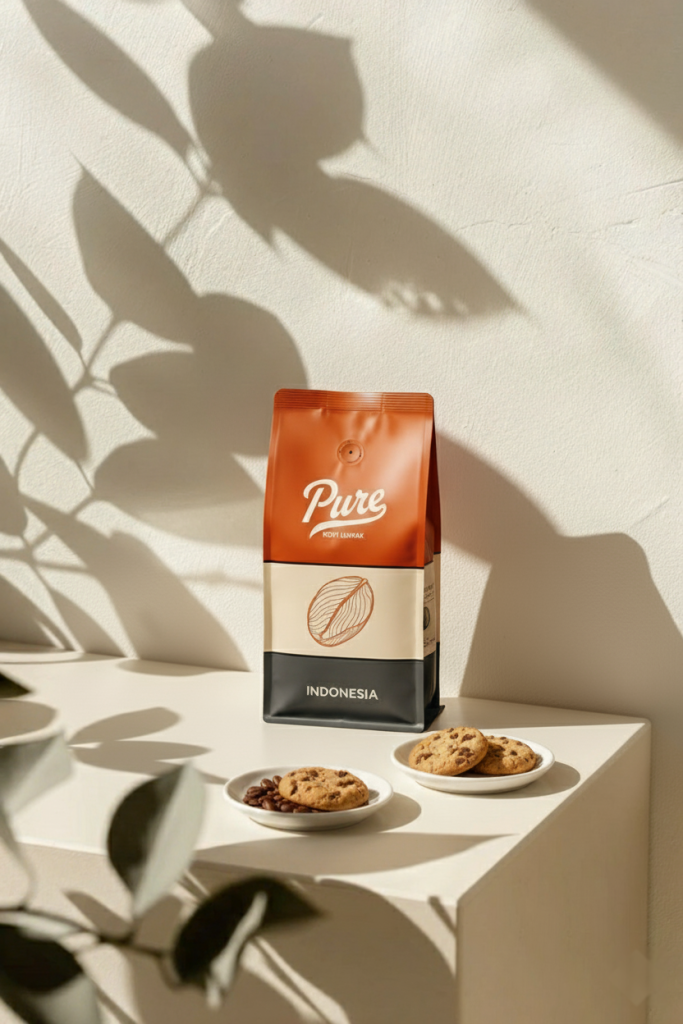
Collected by farming families in the volcanic highlands of West Java, from civets that roam free in protected forest. Never caged, never force-fed. Every batch is independently tested for pesticide residues.
Pour-over or French press at 92–96°C, medium grind, 60 g of coffee per litre. Let the cup cool a minute; the sweetness and long finish show below about 65°C. 100 g makes 10–12 cups, 250 g about 25–30.
Free shipping in the US; international shipping is free over $400 and calculated at checkout below that.
A 100 g bag makes ten to twelve cups. That works out to about $11 a cup for the coffee restaurants and cafés pour at $35 to $100, and you know exactly where it came from.
Every bag is hand-sourced in Java, Indonesia by our Wild Sourcing Director, James. Here’s what that actually looks like.
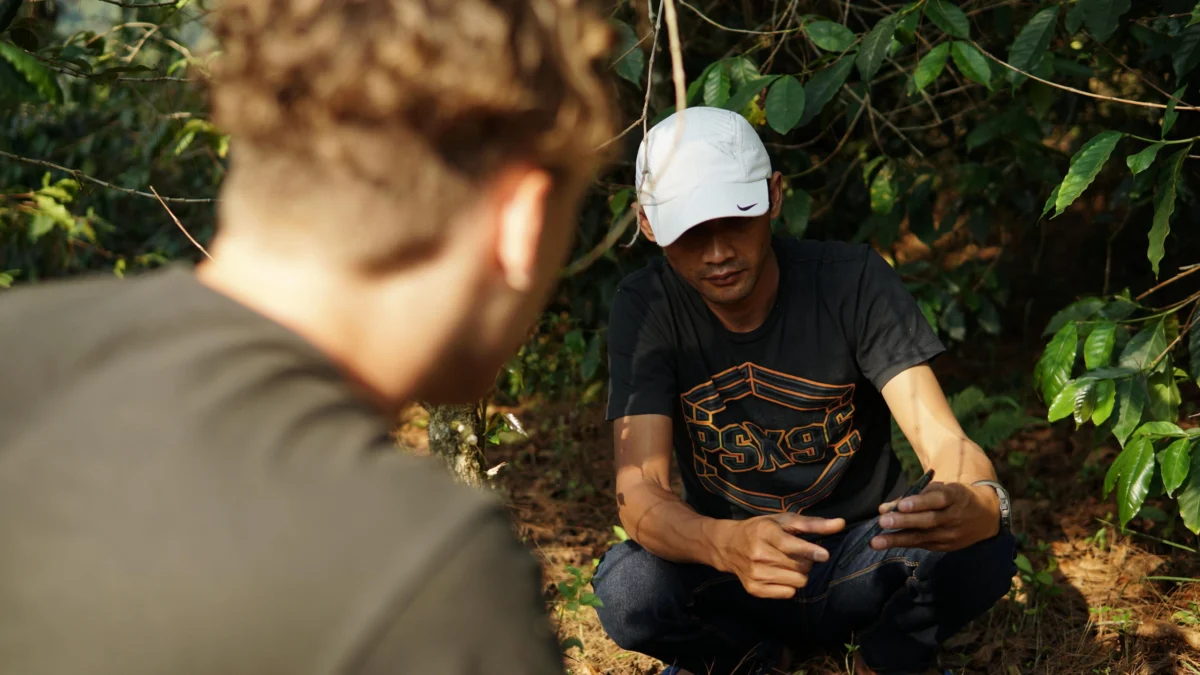
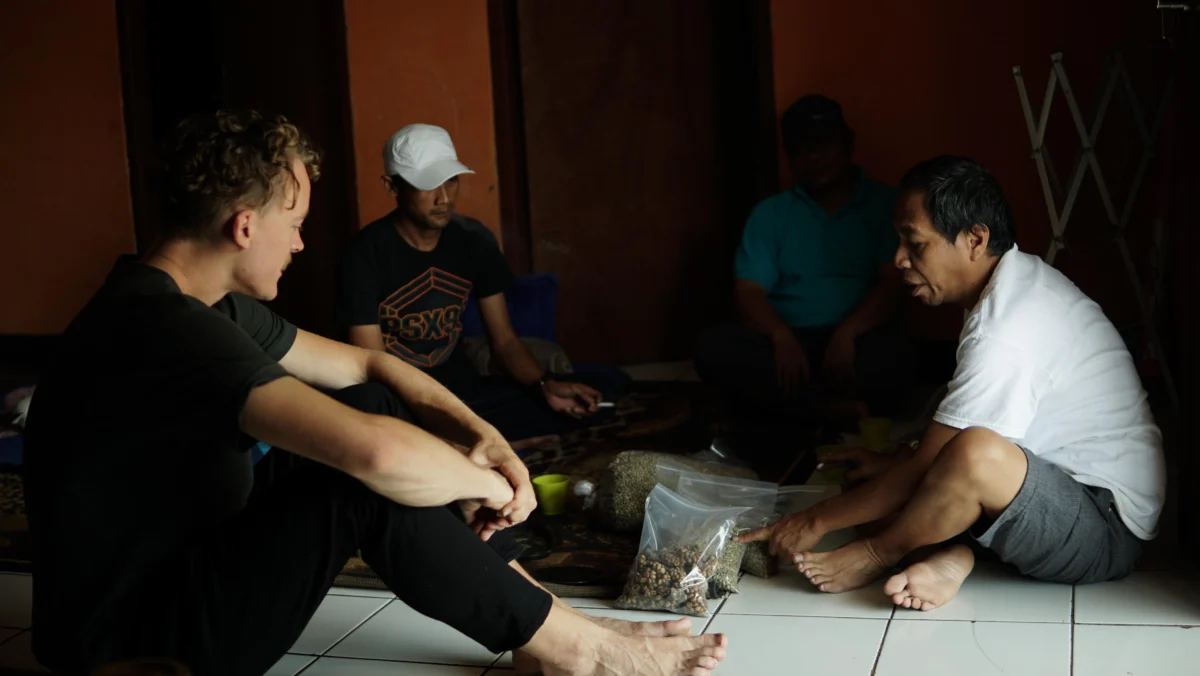
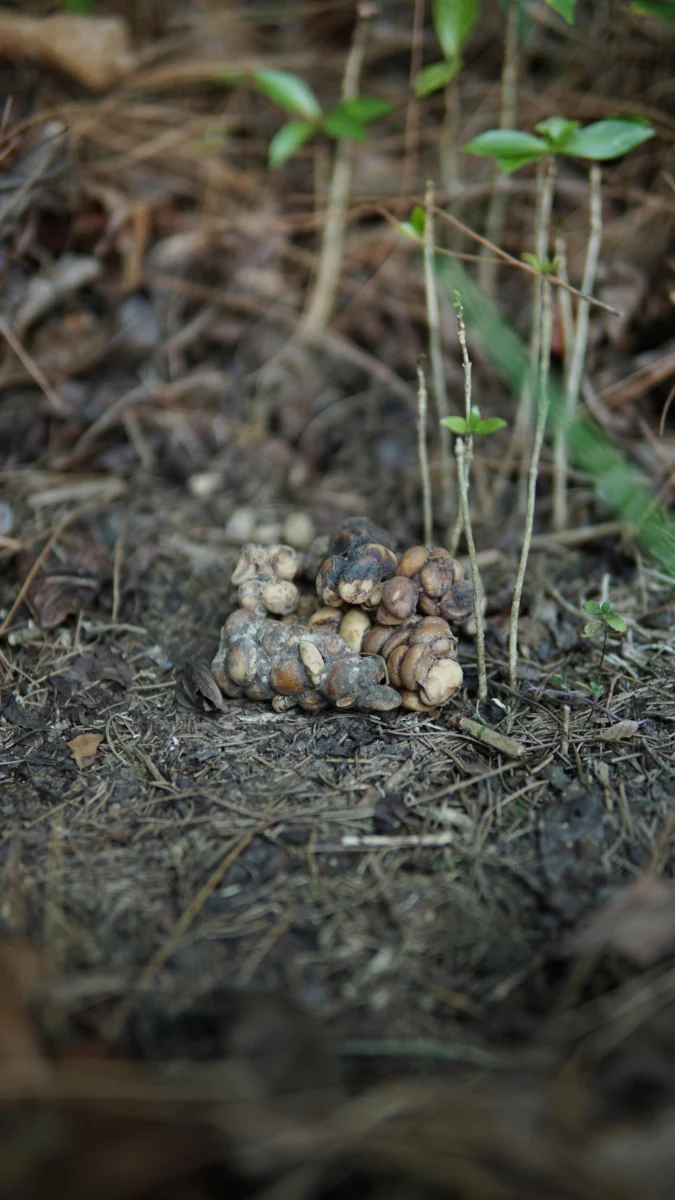
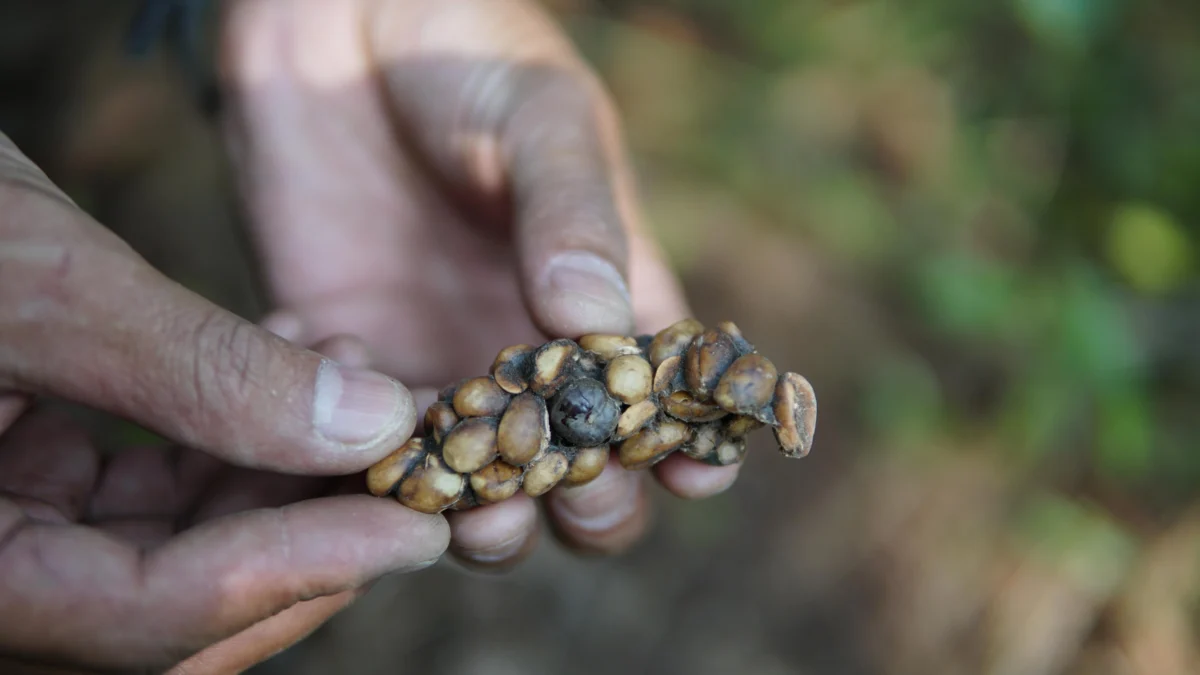
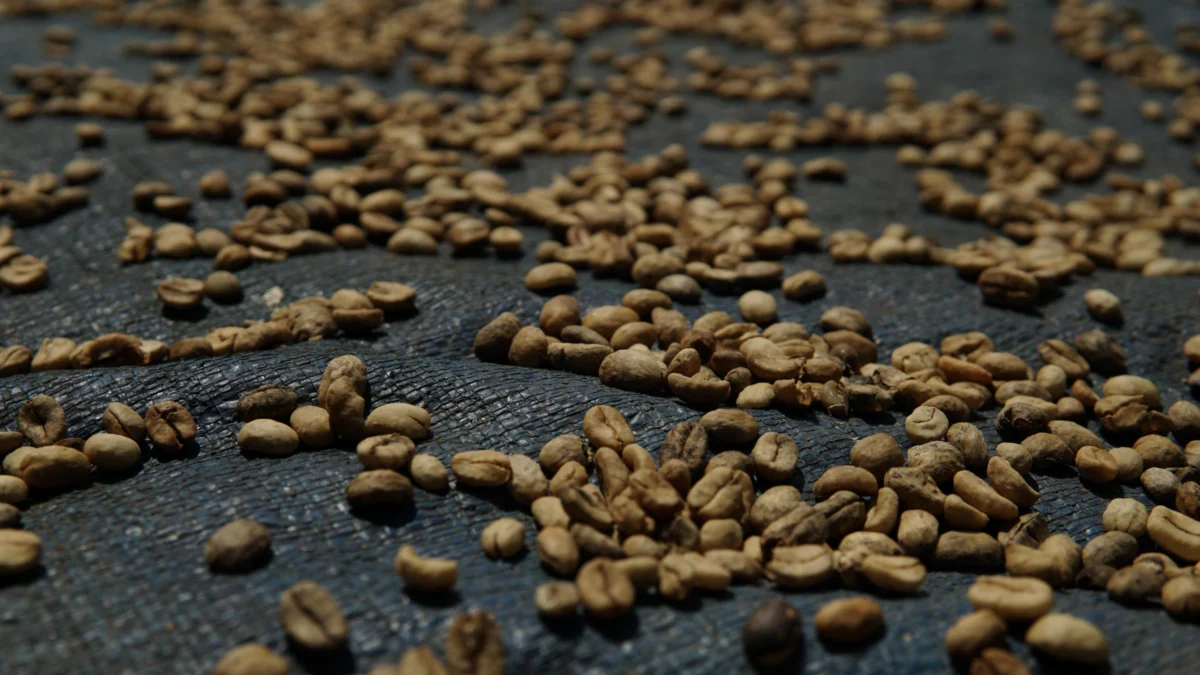
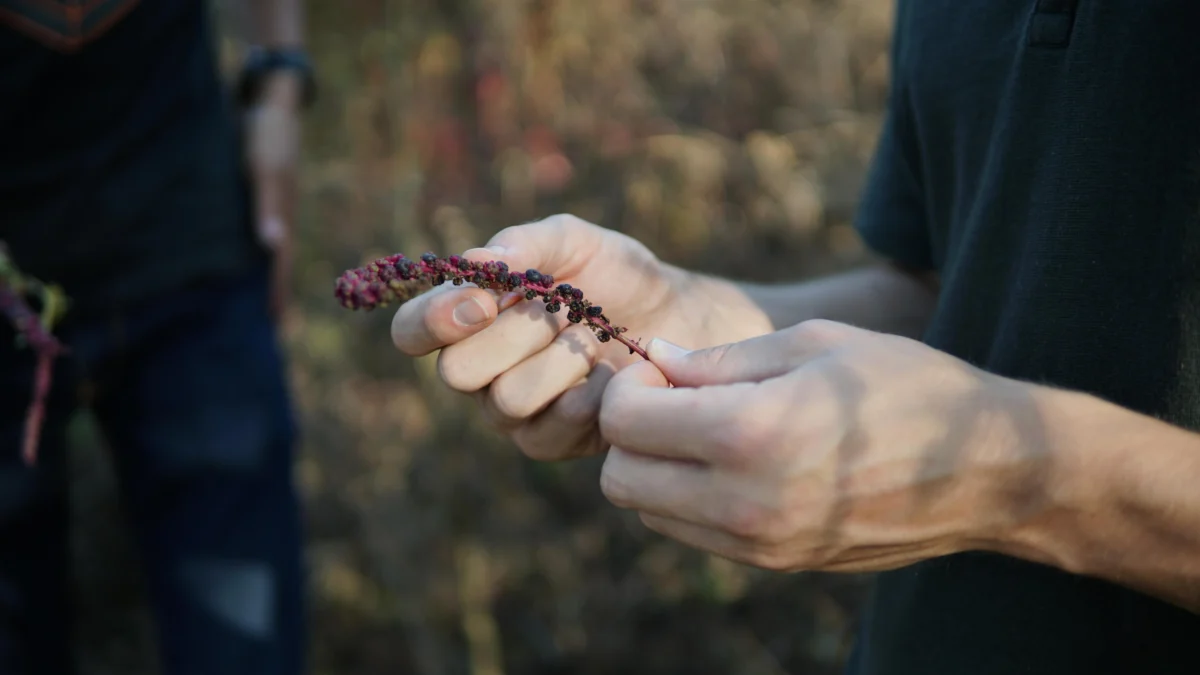
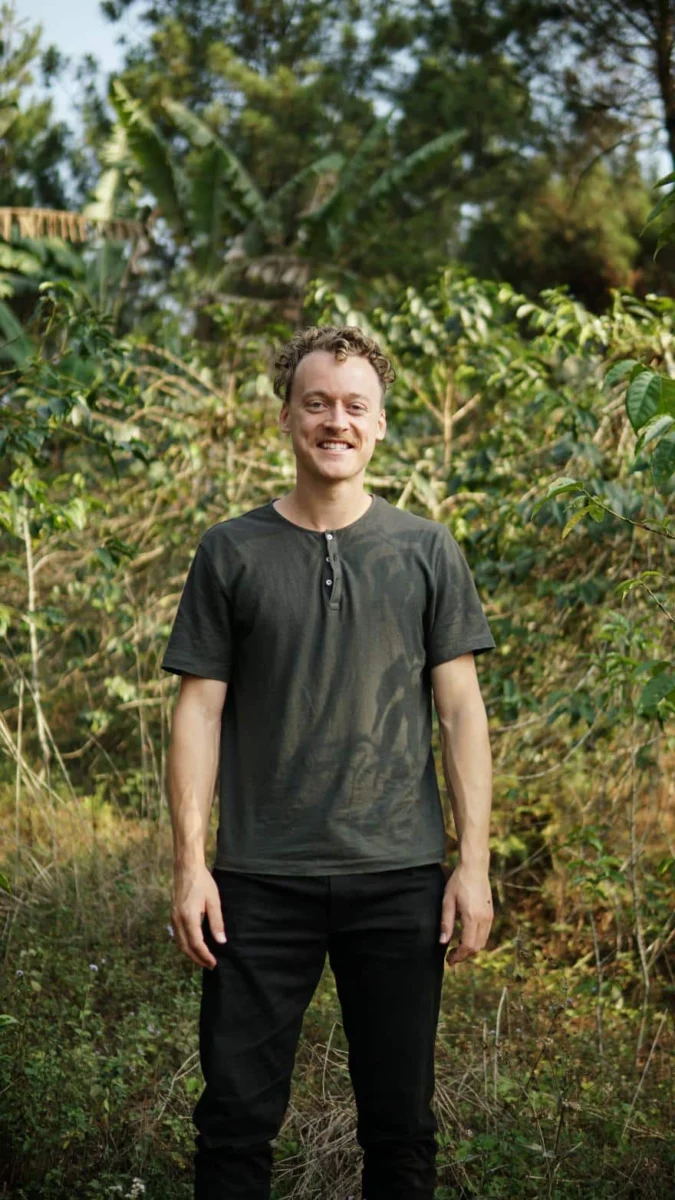
Restaurants and cafés pour kopi luwak at $35 to $100 a cup. The coffee in that cup costs about what you pay us; the rest is the venue: rent, service, and the markup that comes with rarity on a menu. We buy from the collectors, roast and sell by the bag, so you pay for the coffee, not the table.
Comparison uses $50 a cup, the low-middle of published menu prices, times the 11 cups in the bag you selected.
All reviews from verified purchasers
Oct 6, 2026
I keep a bag at home and one at the office. Colleagues think I'm bougie. They're not wrong.
Oct 3, 2026
AeroPress inverted method with this = absolute perfection. Thick, sweet, zero harshness.
Oct 1, 2026
Gave this to my therapist as a thank-you gift. She said it was the most thoughtful thing a client has ever done lol.
Sep 29, 2026
My morning routine went from rushed to something I actually look forward to. This coffee did that.
Sep 27, 2026
Bought as a Christmas gift and it was a huge hit. Already getting asked to order more.
Sep 25, 2026
Very good. Smooth and clean tasting. I think my palate might just prefer something bolder — but objectively this is premium coffee.
Sep 21, 2026
Christmas morning coffee tradition started last year with this. Family now expects it every year. No pressure lol.
Sep 19, 2026
The low acidity changed everything for me. I can finally enjoy coffee again without paying for it later.
Sep 16, 2026
Got the 100g first to test. Ordered the 250g before the bag was half empty. Addicted is the right word.
Sep 15, 2026
I've been a barista for 8 years. I know coffee. This is legitimately world class.
Completely. After collection, the beans are thoroughly washed, sun-dried, and roasted at 200°C+ — a temperature that fully sterilises them. No bacteria survive the roasting process. Kopi luwak has been consumed safely for centuries and every batch we ship is quality-tested before dispatch.
Kopi luwak is coffee processed by wild Asian palm civets — small cat-like animals native to Southeast Asia. They eat the ripest coffee cherries, and the beans are naturally fermented during digestion before being collected, washed, and roasted. The process produces a uniquely smooth, low-acid cup with earthy, chocolatey notes.
Yes. Our coffee is collected from civets roaming freely in Java's protected rainforests — not from caged or farmed animals. We work directly with a family-run operation that has been ethically sourcing wild Kopi Luwak for over two decades. Every batch is traceable to source.
Significantly. Wild Kopi Luwak is notably smoother, less bitter, and lower in acidity than conventionally processed coffee. The natural fermentation breaks down proteins in the bean, resulting in a cleaner, more complex cup with subtle sweetness.
Kopi Luwak naturally contains roughly 50% less caffeine than standard coffee. The digestive process removes much of the caffeine along with the bitterness-causing compounds, making it a gentler, more sustained energy source with no crash.
We recommend a slow-brew method — pour-over, French press, or AeroPress — to best appreciate the nuanced flavours. Use water just off the boil (92–96°C) and a medium-coarse grind. Avoid harsh espresso extraction, which can overwhelm the delicate notes.
Store in an airtight container away from direct sunlight, heat, and moisture. Do not refrigerate — the temperature fluctuation introduces condensation. Whole beans stay fresh for up to 6 months; ground coffee is best used within 4 weeks of opening.