The film ends. The credits roll over a piece of music that was chosen, clearly, by someone who understood the film. There is a specific quality to the minute after the credits of a genuinely good film — a stillness, a residue of the story that lingers in the room. What happens next matters more than people acknowledge. The usual answer is: find the remote. Switch to something else. Dissolve back into the ordinary. But the alternative — a good cup of coffee, the lights low, some version of conversation or silence that honors what you just watched — is a ritual that a small number of people have discovered and a larger number would recognize immediately if someone offered it to them.
The problem is almost always the coffee. The wine is already on the table. The chocolate has been on the table since twenty minutes in. But the coffee, if it appears at all, is whatever was most convenient — a pod, a drip machine from four hours ago, or the kind of instant that makes the whole ritual feel like an afterthought.
The Italian Precedent
Italians have been drinking espresso after almost every significant meal for the better part of a century. The custom is not about caffeine — the volumes are too small for that. It is about punctuation. A 25ml espresso after a long Sunday lunch or an evening at the theater is a full stop: it signals that this particular experience is now complete, that the food and the company and the occasion have been honored, and that everyone is about to re-enter ordinary time slightly more prepared than before the espresso arrived.
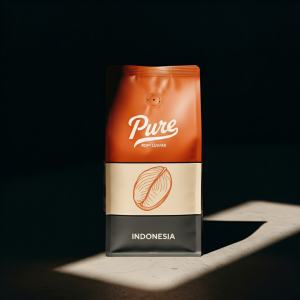
Pure Kopi Luwak
Wild civet coffee from Java. 88.5 SCA cupping score. From $125 for 100g.
The Japanese have a version of this too. In Tokyo’s specialty coffee culture — which has been described by serious observers as among the most technically sophisticated in the world — there is a deliberate association between quiet ritual, precise preparation, and the moment of transition between something focused and ordinary time. Coffee in this context is not breakfast. It is a closing bracket.
The home cinema is the obvious space where this ritual belongs and almost never happens. Most home screenings end with the lights coming on too fast, the sound cutting out mid-score, and someone getting up to find something to eat. The quality of what was watched is not honored. The experience dissolves rather than completes.
Why the Coffee Has to Be Genuinely Good
This matters for a specific reason: if the coffee is bad, it does not punctuate. It interrupts. A bitter, over-extracted cup in the minute after a film that moved you is a small act of violence against the experience. It introduces a sensory note that has nothing to do with what just happened and actively competes with the residue of the story.
The coffee for this purpose needs to be smooth enough that it doesn’t demand attention by being unpleasant, complex enough that it rewards attention by being interesting, and interesting enough that it has something to say alongside the silence or the conversation that follows a good film. That combination — smooth, complex, present without demanding — is rare in coffee. It is exactly what wild kopi luwak produces under the right conditions.
The lower bitterness profile of civet-processed beans is a function of enzymatic transformation during the 12 to 24 hours of gut transit. Proteolytic enzymes break down bitterness precursors; the modified acid profile produces a cup with more body and less edge than most specialty coffees from the same origin. The Javanese Arabica that goes through the process carries chocolate and earth notes that are particularly suited to a quiet space after something significant — not the brightness of a high-altitude Ethiopian, not the wood notes of a very old Sumatran, but a warmth that is easy to sit with.
How to Build the Ritual
The practical setup is simpler than it sounds. Wild kopi luwak, medium roasted, brewed pour-over at around 93°C into pre-warmed ceramic cups, will take about four minutes and produce something that fits the moment in a way that a pod machine will not. The pour-over is not precious — it’s functional, quiet, and produces a consistent result with a minimal footprint. If you start the water when the credits begin rolling, the coffee is ready by the time you’ve decided what to say about the last twenty minutes of the film.
At 100g, a bag contains approximately ten cups. Ten post-film cups is ten evenings that end deliberately, ten moments where the transition from story-world to ordinary life is marked by something that takes the occasion seriously. That math justifies the cost more readily than a per-cup comparison with anything at a drive-through.
Read more about brewing kopi luwak pour-over for the specific parameters that work best for a quiet evening cup — the grind size and ratio matter more than usual when you’re brewing something you want to be present for.
Some films deserve to end with something good. Most people who’ve had the experience once can identify that specific gap — between what the film asked of them and what the coffee offered afterward. Closing that gap is not complicated. It just requires deciding in advance that the film deserved it, and buying the coffee before the evening rather than making do with what’s in the cabinet.
Pure Kopi Luwak
Wild civet coffee from Java. 88.5 SCA cupping score. From $125 for 100g.
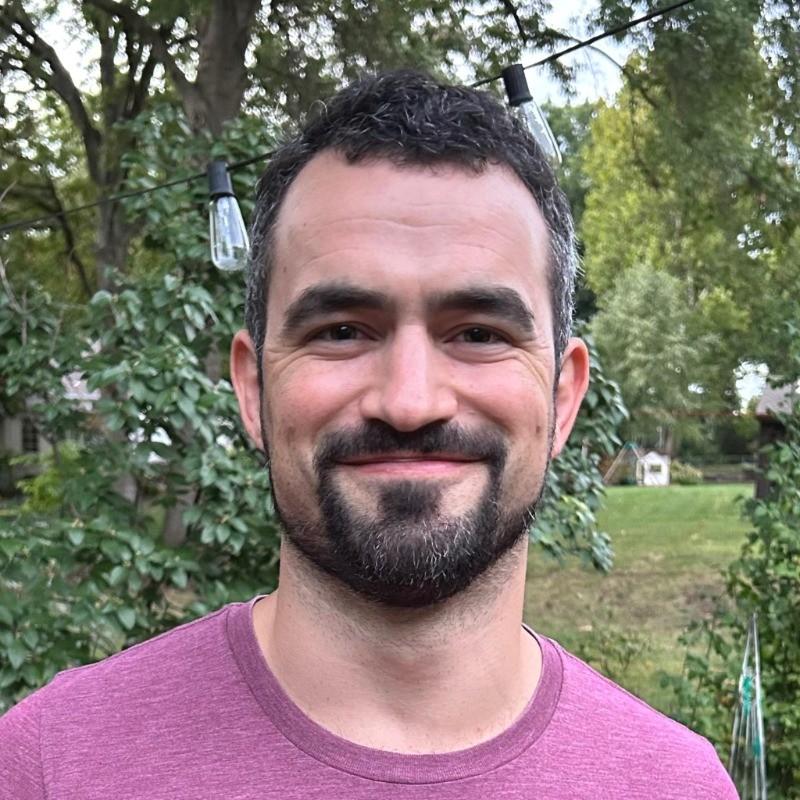
Roger Abbott founded Pure Kopi Luwak in 2018 after a trip through the volcanic highlands of Java, and has bought from the same farming families ever since. He only works with collectors of wild civet coffee, never caged. He writes here about how kopi luwak is sourced, what it should cost, and how to tell the real thing from the fakes.