A September 2025 study from Leger Research found that a quarter of Gen Z and Millennial adults who currently drink alcohol planned to cut back in the coming year. A separate projection from Statista forecasted the global non-alcoholic beverage market reaching $1.6 trillion by 2025 — a number that points to something bigger than a passing trend. People are rethinking alcohol in meaningful numbers, and the gift-giving landscape has not fully caught up.
The default premium gift for most occasions is still a bottle. A good Burgundy for a dinner host. A bottle of Scotch for a birthday milestone. Champagne for a promotion. These work reliably — but only when the recipient drinks. For the growing number of people who do not, or who are taking a deliberate break, the “bottle of something nice” is either an awkward gesture or an object that sits on a shelf for months waiting for a different occasion.
Wild kopi luwak fills this gap in a way that nothing else quite matches.

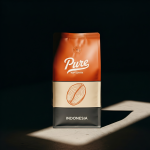
Pure Kopi Luwak
Wild civet coffee from Java. 88.5 SCA cupping score. From $125 for 100g.
The Gift That Requires No Apology
There is a specific problem with non-alcoholic luxury gifts: most of them feel like consolation prizes. A box of fancy chocolates is lovely, but it does not carry the same ceremonial weight as a premium bottle. Artisan teas are thoughtful, but they do not signal “I spent real money on something worth spending money on.”
What people who do not drink are often really searching for is a premium gift that does not need to apologize for the absence of alcohol — something that stands on its own merits rather than substituting for something else.
Wild kopi luwak from Java is, by any measure, the world’s rarest commercially available coffee. A 100-gram bag costs between $125 and $199 at the authentic end of the market. A cup brewed at home costs roughly $12 to $20. That puts it in the same ceremonial price range as a serious bottle of wine — with a story that, for many recipients, is more interesting than a vineyard vintage.
The story is this: a wild Asian palm civet (Paradoxurus hermaphroditus), foraging at night through the coffee-growing highlands of Java, selects only the ripest cherries to eat. After 12 to 24 hours of digestion, the beans are collected, cleaned, and processed. The civet’s stomach enzymes partially break down the proteins in the beans that contribute to bitterness in the final cup, producing a coffee that is notably smoother and more complex than anything processed conventionally from the same origin. That narrative — biological, specific, and verifiable — is the kind of story a non-drinker can tell when they serve it to guests. No pretending the gift is second-best. Just an explanation that tends to make people lean forward.
Who It Is Actually For
The non-drinking population is not monolithic. Someone in recovery has a different relationship to sobriety than someone observing Dry January, and someone who simply dislikes alcohol has a different relationship again from someone whose religion prohibits it. But across all these situations, the common challenge is the same: premium gifts default to wine and spirits, and finding a replacement that signals equivalent thoughtfulness requires actual effort.
Kopi luwak works for all of them because it is not positioned as a substitute for anything. It is not non-alcoholic wine. It is not a product designed to fill a hole. It is simply a remarkable thing on its own terms — consumed by coffee lovers, sought by collectors, and rare enough that most recipients have never tried it despite having heard of it.
For Muslims observing halal dietary practices, wild kopi luwak is halal — the beans pass through the animal without being processed in any way prohibited under Islamic dietary law, and the thorough washing and drying process that follows collection removes any remaining organic material. For people on Dry January or taking a break from alcohol, it is a gift that clearly required thought. For someone sober by choice or in recovery, it treats them as someone with sophisticated taste rather than someone with a limitation.
The Story That Makes the Gift Land
The gift lands better with a brief explanation — either tucked into a note or delivered in conversation. Not a lecture, just a sentence: “It’s wild kopi luwak from Java. A civet picks and eats only the ripest cherries; the beans are collected after they pass through, and the enzymes in the process give it a smoothness that regular coffee does not have.”
That explanation does more than set expectations for the cup. It gives the recipient something to share when they offer it to someone else — and they will. Rare things get talked about. A bag of wild kopi luwak tends to become a small occasion in a way that a box of chocolates rarely does.
The cost per cup is $12 to $20 depending on how you brew it. A bottle of age-worthy Burgundy starts at a similar price per glass. For the person who does not drink, kopi luwak is the premium alternative that does not ask them to wish they were drinking something else.
The pure kopi luwak from Java is available in 100g and 250g formats — whole bean, medium-roasted to preserve the enzymatic modifications that make it distinctive. For context on why it costs what it does, why kopi luwak is so expensive makes the case clearly. And if you are building a larger gift, the kopi luwak gift basket guide has useful framing for pairing it with complementary items.
Pure Kopi Luwak
Wild civet coffee from Java. 88.5 SCA cupping score. From $125 for 100g.

Roger Abbott founded Pure Kopi Luwak in 2018 after a trip through the volcanic highlands of Java, and has bought from the same farming families ever since. He only works with collectors of wild civet coffee, never caged. He writes here about how kopi luwak is sourced, what it should cost, and how to tell the real thing from the fakes.