The food traveler in your life has specific opinions about fish sauce — not whether they like it, but which country’s version they prefer and why. They’ve eaten their way through at least three continents, accumulated a mental catalog of dishes they still think about years later, and navigated menus in languages they can’t read using a combination of pointing and confidence. They’ve had the tasting menu. They’ve done the market tour. They’ve waited outside the place that only locals know about and felt genuinely pleased with themselves for finding it. Gifting food to this person is difficult, because they’ve almost certainly had it, or something close to it, somewhere better than wherever you found it.
Almost certainly. Wild kopi luwak from Java is one of the things that fall outside that “almost certainly.”
Why Standard Food Gifts Fail for This Archetype
The food traveler doesn’t want another charcuterie board or artisan chocolate collection. They’ve had cured meats in the country that invented the category. They’ve bought single-origin chocolate from makers in Oaxaca and Kyoto. The premium hamper you’re considering contains things they’ve already eaten better versions of. This isn’t snobbery — it’s the natural result of spending years specifically seeking out the best versions of things. You cannot impress them with a category they already know well.

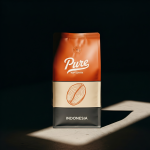
Pure Kopi Luwak
Wild civet coffee from Java. 88.5 SCA cupping score. From $125 for 100g.
What you can do is give them something genuinely outside their existing reference library. For food travelers, that list gets shorter every year. Wild kopi luwak from Indonesia — not the tourist version sold on Bali coffee tours, which is almost universally cage-farmed and unremarkable, but the real thing from verified wild sources — is one of the few remaining entries on it.
The Rarity Is Real
Authentic wild kopi luwak production across all of Indonesia amounts to somewhere between 50 and 500 kilograms per year. That number requires some context: Indonesia produces roughly 700,000 tonnes of coffee annually. Wild kopi luwak represents a fraction of a fraction of a fraction of that — a quantity so small that global demand for it cannot be met honestly, which is why the market is flooded with cage-farmed imitation. Even well-traveled food people who have visited Javanese or Balinese coffee plantations have often encountered only the cage-farmed version, which is mass-produced and broadly available. The real thing, collected from the forest floor where wild civets have left it during their nightly foraging, is a different product in every meaningful way.
The wild Asian palm civet (Paradoxurus hermaphroditus) selects only peak-ripe coffee cherries — an involuntary quality standard that no human harvesting operation reliably matches at scale. The digestive process, which takes 12 to 24 hours, partially breaks down proteins responsible for bitterness in the roasted bean, producing a cup that is smoother and more complex than the same beans would yield through conventional processing. This is not marketing language. It is a documented biochemical transformation. Food travelers, who tend to be skeptical of origin stories and production narratives, respond well to the specific mechanism. It holds up to scrutiny.
Try the coffee this article is about
Wild-sourced from Java, 88.5 SCA cupping score, free US shipping. From $125 for 100g.
Shop Pure Kopi Luwak →What Makes It a Good Gift Specifically
The food traveler’s implicit gift criteria are consistent: it should be something they haven’t encountered; it should come with a story that rewards curiosity; and it should be genuinely good, not just a curiosity. Wild kopi luwak from a verified wild source satisfies all three conditions.
The story — the civet, the selection, the forest collection, the careful washing and medium roasting — is the kind of production narrative that a food traveler finds immediately interesting and will describe accurately to others. They will research it further. They will brew it with care. They will have opinions about it. None of this happens with a generic premium coffee subscription, a beautiful bag of specialty single-origin arabica, or any other elevated-but-familiar gift in the food category.
There’s also a corrective value to the gift that food travelers appreciate. Most of them have encountered kopi luwak in some form — mentioned in travel guides, offered on Bali tourism routes, referenced as “that poop coffee” in popular media. Many of them have the misconception that they already know what it tastes like, when in fact they’ve had either a cage-farmed imitation or a briefly noted curiosity on a plantation tour. Giving them a 100g bag of properly sourced wild kopi luwak alongside a note explaining the difference between wild and cage-farmed production is giving them a correction to something they thought they already knew. That’s a rare gift.
How to Present It
The food traveler doesn’t need extensive packaging theater. What they want is information. Include a note explaining where the coffee is from — not “Indonesia” but the specific origin: Java, highland elevation, wild civets, verified collection. Explain the processing difference from conventional coffee. Suggest brewing parameters: coarse grind, French press or pour over, water temperature around 93 degrees Celsius, no milk at first. Tell them to drink the first cup black and slowly.
They will do this. They are the kind of person who reads the label on the bottle and looks up the producer. They’ll follow the suggestion not because you told them to, but because they’re curious about whether it’s justified. When they find that it is — that the smoothness is distinctive, that the body is different, that the finish lasts longer than expected — they will remember which person gave them that experience.
That’s how you give a food traveler a gift they haven’t already had. You give them a reference point they didn’t have before. For more on what separates authentic wild kopi luwak from the versions that don’t live up to the story, the sourcing details matter as much as the coffee itself. And the broader landscape of what the world’s rarest coffees cost puts the price in context for someone who already understands value-to-provenance ratios better than most.
Pure Kopi Luwak
Wild civet coffee from Java. 88.5 SCA cupping score. From $125 for 100g.
Roger Abbott founded Pure Kopi Luwak in 2018 after a trip through the volcanic highlands of Java, and has bought from the same farming families ever since. He only works with collectors of wild civet coffee, never caged. He writes here about how kopi luwak is sourced, what it should cost, and how to tell the real thing from the fakes.