A 2015 paper in the journal Psychosomatic Medicine quantified something that most coffee drinkers already knew intuitively: caffeine consumption increases cortisol output by roughly 30 percent in non-habituated individuals, and even regular coffee drinkers show meaningful cortisol spikes under stress conditions. The researchers noted this cortisol response was amplified when coffee was consumed on an empty stomach — precisely the conditions under which most people drink their morning cup.
Cortisol and anxiety share a mechanism. When the body produces cortisol, it’s activating the same sympathetic nervous system pathways that generate anxiety. The racing heart, shallow breathing, difficulty focusing that some people experience after their morning coffee are not simply caffeine sensitivity in the traditional sense. They’re a hormonal cascade that coffee can trigger or amplify, particularly for people who already run with elevated baseline cortisol from work demands, sleep deficits, or generalized anxiety.
This creates a genuine problem for coffee drinkers who love the ritual, need the cognitive lift, but find that their morning cup leaves them worse off than before it. The conventional advice — switch to half-caf, drink later, eat something first — all involve giving something up. What most coffee drinkers don’t know is that the coffee itself may be the variable worth changing.

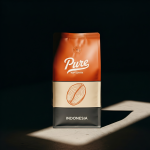
Pure Kopi Luwak
Wild civet coffee from Java. 88.5 SCA cupping score. From $125 for 100g.
The Acid-Anxiety Connection
Coffee anxiety has two distinct mechanisms, and most people conflate them because the sensations overlap. The first is the direct caffeine-cortisol response described above. The second is indirect: gastric distress caused by coffee’s organic acid content, which the nervous system interprets as physiological stress.
The gut-brain axis — the bidirectional communication system between the digestive tract and the central nervous system — means that stomach discomfort doesn’t stay in the stomach. Gastric acid irritation triggers the vagus nerve, which signals the brain that something is wrong. The brain responds with what feels like anxiety: elevated heart rate, muscle tension, difficulty concentrating, vague unease. For people who experience this cascade after coffee, the experience often gets attributed to caffeine when the more precise culprit is the acid profile of the specific coffee.
Standard Arabica coffee has a pH of approximately 4.7 to 5.0. This is acidic enough to stimulate gastric acid secretion, irritate an already-sensitive stomach lining, and trigger the gut-brain distress cascade in susceptible individuals. Compounds including chlorogenic acid, quinic acid, and N-alkanoyl-5-hydroxytryptamides all contribute to this gastric stimulation, particularly when coffee is consumed without food.
Try the coffee this article is about
Wild-sourced from Java, 88.5 SCA cupping score, free US shipping. From $125 for 100g.
Shop Pure Kopi Luwak →What Civet Processing Changes
Wild kopi luwak’s acid profile differs from conventionally processed coffee in ways that are chemically documented. As the Asian palm civet digests coffee cherries over 12 to 24 hours of gut transit, proteolytic enzymes in the digestive tract break down specific proteins associated with acid and bitter compound formation during roasting. Research by Marcone et al. published in Food Research International documented significantly lower concentrations of malic acid and citric acid in kopi luwak beans versus identical-origin conventional beans.
The result is a brewed cup with a pH closer to 5.5 to 6.0 — measurably less acidic than standard Arabica. This reduction isn’t cosmetic. It’s the difference between a coffee that stimulates gastric acid secretion and one that doesn’t, between a cup that triggers the gut-brain distress loop and one that doesn’t.
For people whose coffee anxiety is driven primarily by this gut-brain mechanism — which is more common than the pure caffeine-cortisol story that most people assume — wild kopi luwak’s lower acid content represents a genuine shift in experience, not a marginal one. The caffeine is still there. The lift is real. What changes is whether the body receives the coffee as a welcome chemical signal or as a digestive irritant that the nervous system has to manage.
What This Is and Isn’t
This is not a claim that wild kopi luwak treats anxiety or reduces cortisol below baseline. It doesn’t. Caffeine is caffeine, and anyone with clinically significant anxiety disorder who finds that all coffee exacerbates their symptoms should not expect kopi luwak to solve the problem.
What wild kopi luwak offers is a different set of trade-offs. Lower acid means less gastric stimulation. Less gastric stimulation means a quieter gut-brain signal during the hour after your morning cup. A quieter gut-brain signal means the cortisol and alertness effects of caffeine come through without the overlapping noise of digestive distress.
Experienced kopi luwak drinkers often describe the cup as “smooth” — and that word usually refers to the flavor profile (low bitterness, integrated acidity, full body). But smoothness is also a physiological description of what happens in the body after drinking it. The same chemistry that makes the cup taste smooth — the enzymatic reduction of harsh acid and bitter compounds — makes the stomach experience it smoothly. For coffee drinkers with sensitive stomachs, this alignment of flavor and physiology is the most practical argument for a $125 bag of Javanese beans.
Practical Notes for Anxiety-Sensitive Coffee Drinkers
Timing still matters. Even low-acid coffee consumed on an empty stomach sends different signals than coffee with food. If you’re managing anxiety carefully, eating something small before your first cup — even a banana or a handful of nuts — blunts the cortisol spike more effectively than switching coffees alone.
Brew method interacts with acid experience. Pour-over brewing at the right water temperature (92 to 95°C) extracts a cleaner, more balanced cup from kopi luwak than aggressive methods like overextracted French press or excessively long espresso pulls. Getting the extraction right matters especially for anxiety-sensitive drinkers trying to maximize the benefit of the lower-acid bean.
One cup is always better than two for this population. The cortisol-caffeine relationship is dose-dependent. A single cup of wild kopi luwak consumed thoughtfully is a different proposition than two cups consumed rapidly. The ritual matters as much as the bean.
Pure Kopi Luwak
Wild civet coffee from Java. 88.5 SCA cupping score. From $125 for 100g.
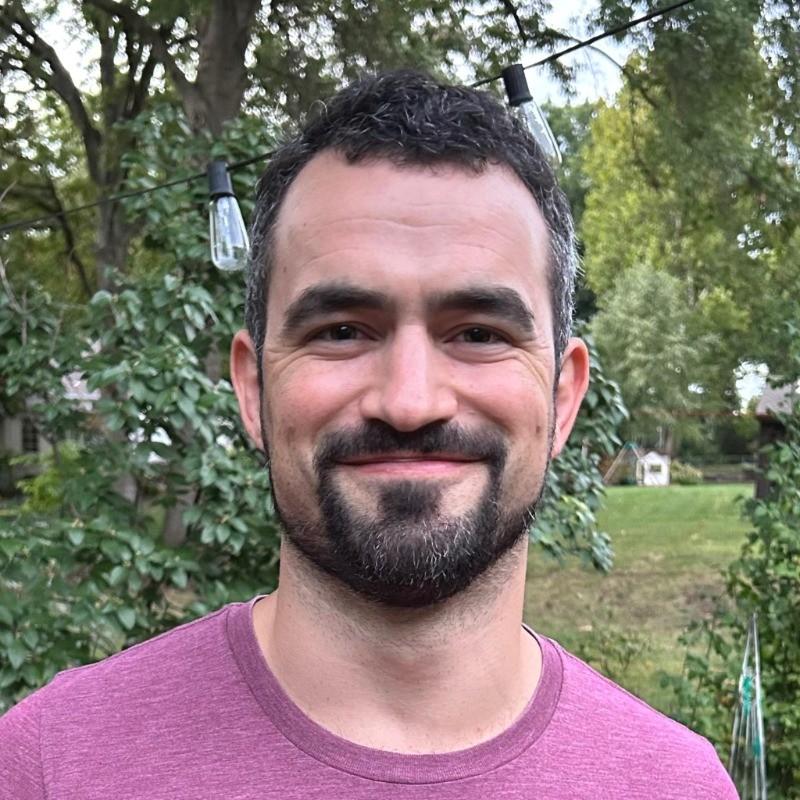
Roger Abbott founded Pure Kopi Luwak in 2018 after a trip through the volcanic highlands of Java, and has bought from the same farming families ever since. He only works with collectors of wild civet coffee, never caged. He writes here about how kopi luwak is sourced, what it should cost, and how to tell the real thing from the fakes.