A cup of kopi luwak outside Ubud, Bali — poured from a thermos at a plantation visitor center while a caged civet sits nearby in a small enclosure — costs about $5. The same descriptor, “kopi luwak,” applied to a cup served at a specialty coffee bar in Mayfair, London, or a luxury hotel cafe in Manhattan, costs between $30 and $100. That’s a price difference of up to 2,000% for a product carrying the same name. Understanding what drives that gap, and what it tells you about the coffee in each cup, is the most useful piece of consumer information in this entire category.
The short version: price alone tells you almost nothing about quality in the kopi luwak market. But the price range, combined with sourcing transparency, tells you everything.
Why the $5 Cup Is Usually the Worst One
Bali and Java are full of coffee plantation tours that include kopi luwak in the tasting experience. The economics of these operations require high throughput: hundreds of tourists per day, standardized tastings, hospitality margins built in. Wild kopi luwak, with a verified global production ceiling of 50 to 500 kilograms annually across all of Indonesia, cannot supply a high-volume hospitality operation. The math is simply impossible. What supplies those operations is cage-farmed kopi luwak, produced from civets kept in small enclosures and fed indiscriminate quantities of coffee cherries without the selective behavior that defines genuine wild production.
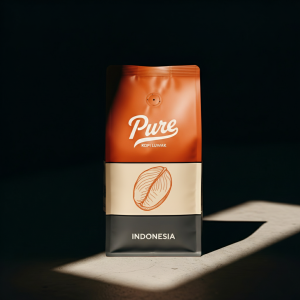
Pure Kopi Luwak
Wild civet coffee from Java. 88.5 SCA cupping score. From $125 for 100g.
Cage-farmed kopi luwak lacks the quality advantage that makes the wild version worth any premium. The civet’s selective foraging — choosing only peak-ripe cherries, high in natural sugars, at the optimal ripeness window — is absent when the animal is simply fed whatever is available. The animal’s chronic stress from confinement also alters digestive chemistry in ways that affect the final flavor profile. The result is coffee that tastes unremarkable, sometimes worse than conventionally processed beans from the same farm, labeled with a name that implies something entirely different. The $5 cup is almost always this product.
Try the coffee this article is about
Wild-sourced from Java, 88.5 SCA cupping score, free US shipping. From $125 for 100g.
Shop Pure Kopi Luwak →What Drives the Premium Cafe Price
The $30-100 cup in London or New York represents the opposite end of the sourcing spectrum — usually. High-end hospitality operations that serve kopi luwak at these price points typically source from verified suppliers and apply substantial markup for the storytelling, service, venue overhead, and import logistics. A $100 cup at a luxury hotel represents perhaps $8-12 of coffee at import cost — a margin structure entirely normal for high-end hospitality. The coffee in that cup may genuinely be wild-sourced, or it may be premium cage-farmed product with better marketing. The price tells you the venue is confident in the story; it doesn’t independently verify the sourcing.
The practical implication is that neither extreme of the price range provides reliable quality information. The $5 Bali tour cup is almost certainly inferior. The $100 luxury hotel cup might be excellent or might be expensive theater. The only reliable signal is documented sourcing — a specific origin claim, an ethical wild-collection process, and a supplier willing to explain exactly how the coffee was produced.
The Home Brewing Calculation
A 100g bag of verified wild kopi luwak from a reputable source, brewed at home with proper equipment, produces 10 to 15 cups depending on brew ratio and method. At $125, that’s $8 to $12 per cup — less than the minimum a high-end cafe charges for the same product, and dramatically less than the $30-100 range common in western markets. The quality, sourced from the same wild Javanese production that top hospitality operations serve, is identical. The venue markup is absent.
This arithmetic matters because it recasts the $125 bag as a value proposition rather than an indulgence. Ten cups of what specialty cafes sell at $30-100 per cup, brewed on your schedule in your preferred method, is genuinely more economical than two cups at a London specialty bar. The premium is in the sourcing and the rarity; the hospitality venue adds nothing to the coffee except a price multiplier.
What to Look For When Buying
The sourcing question determines everything else. Verified wild kopi luwak from a named origin — Java highlands, East Java, documented collection from free-roaming civets — is categorically different from the cage-farmed version regardless of price. The key indicators of authentic wild sourcing include specific origin claims (not just “Indonesia”), explicit confirmation that the civets are wild and free-roaming, and a supply chain that can explain its collection and processing in specific detail.
The price range for genuine wild kopi luwak at retail falls between approximately $100 and $200 per 100g depending on origin, roast freshness, and supplier. Below that range — especially below $50 per 100g — the sourcing is almost certainly cage-farmed regardless of labeling claims. The market for counterfeit and misrepresented kopi luwak is well-documented; researchers using metabolomics analysis have confirmed that the majority of commercially sold “kopi luwak” shows no biochemical evidence of genuine civet digestive processing.
Wild Javanese kopi luwak from verified sources sits within the authentic price range. When you understand what drives the $5-to-$100 cafe spread — venue costs, hospitality margins, and sourcing uncertainty at every price point — the retail bag at home starts to look like the clearest transaction in an otherwise opaque market. You know what you’re getting, and you know it cost what it should cost.
The broader landscape of what rare coffees actually cost confirms the picture: genuine rarity commands a premium, but that premium should be explained by production reality, not venue prestige. Wild kopi luwak earns its price. Most of what’s sold under its name does not.
Pure Kopi Luwak
Wild civet coffee from Java. 88.5 SCA cupping score. From $125 for 100g.
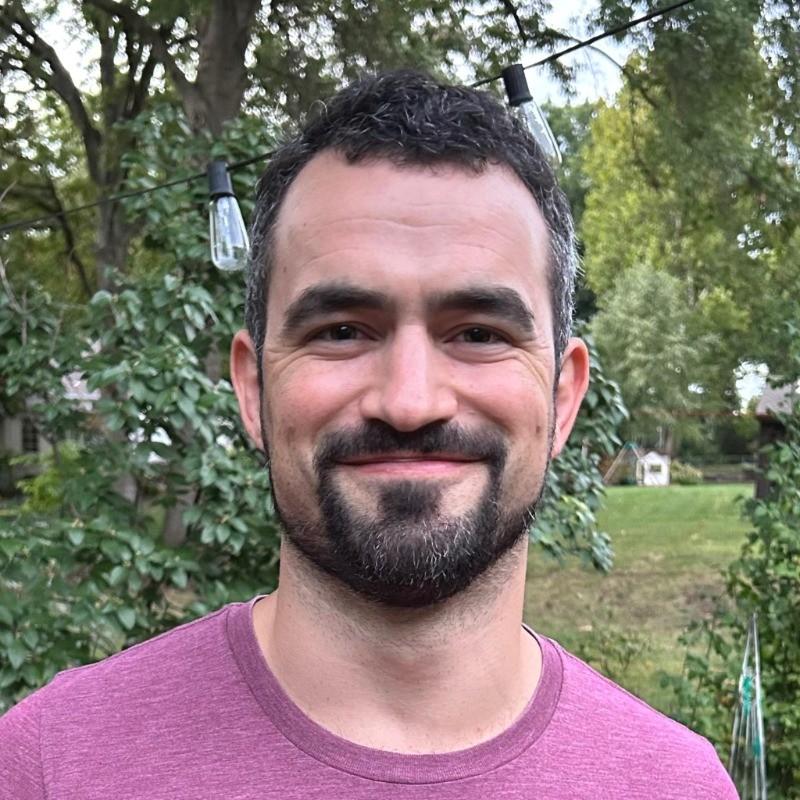
Roger Abbott founded Pure Kopi Luwak in 2018 after a trip through the volcanic highlands of Java, and has bought from the same farming families ever since. He only works with collectors of wild civet coffee, never caged. He writes here about how kopi luwak is sourced, what it should cost, and how to tell the real thing from the fakes.