Caffeine is the most widely used performance supplement in endurance sports, and the research behind it is unusually clean. A 2020 International Society of Sports Nutrition position statement, reviewing decades of controlled trials, concluded that caffeine consistently improves endurance performance by 2 to 4 percent at doses of 3 to 6 milligrams per kilogram of body mass. In practical terms, for a runner completing a four-hour marathon, a 2 to 4 percent improvement means 5 to 10 minutes off the clock. One study documented caffeine extending time to exhaustion in a cycling test by 15 minutes. Another showed improvements in 1,500-meter running time among elite-level athletes.
The mechanism is well understood. Caffeine crosses the blood-brain barrier and blocks adenosine receptors — specifically the A1 and A2 monoadenosine receptors that signal fatigue to the central nervous system. Muscle glycogen is spared for later in the effort. Perceived exertion decreases. The work feels easier even when the output is the same or higher.
What varies is not whether caffeine works, but how well different coffee preparations deliver it without interference.
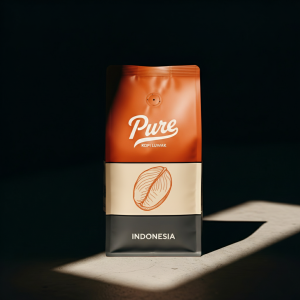
Pure Kopi Luwak
Wild civet coffee from Java. 88.5 SCA cupping score. From $125 for 100g.
The Problem With Regular Coffee Before Exercise
For many athletes, coffee before a long workout involves a familiar trade-off: you want the caffeine, but you do not want the gastrointestinal disruption that often comes with it. A survey published in the British Journal of Sports Medicine found that more than 60 percent of long-distance runners report GI symptoms during competition, and dietary intake in the 3 to 4 hours before the event is a primary contributor.
Acidity is the primary culprit. Conventional coffee — even high-quality specialty coffee — contains significant concentrations of malic and citric acids that stimulate the stomach and bowel. This is manageable at a desk. It becomes a real problem at mile 8 of a half-marathon, or at hour 4 of a cycling event, when the body is already managing a significant acid-base load from sustained exercise.
Common workarounds include cold brew (which extracts less acid than hot brewing), dark-roasted coffee (which degrades some acid compounds during roasting but also destroys aromatic complexity), or simply cutting back on the dose. None of these fully resolves the trade-off.
Try the coffee this article is about
Wild-sourced from Java, 88.5 SCA cupping score, free US shipping. From $125 for 100g.
Shop Pure Kopi Luwak →Where Kopi Luwak’s Chemistry Becomes Relevant
Wild kopi luwak from Java offers a different solution. Food chemistry research has documented lower concentrations of malic and citric acids in kopi luwak compared to conventionally processed beans from the same origin — not because of a different roast level or extraction method, but because of changes the beans undergo during their passage through the civet’s digestive tract.
The Asian palm civet (Paradoxurus hermaphroditus), selecting only peak-ripe cherries from Java’s highland farms, exposes the beans to stomach enzymes over 12 to 24 hours. The enzymatic activity modifies the bean’s surface chemistry in ways that reduce acid content — the same mechanism that produces the distinctive smoothness and low bitterness that kopi luwak is known for. The proteolytic enzymes that break down bitterness-precursor proteins are acting on the same bean surface that determines acid concentration in the final cup.
Lower acid content does not mean weaker coffee. The caffeine remains present at comparable levels to conventional Arabica of the same variety. What changes is the delivery: a cup that is measurably less acidic, and therefore less likely to cause gastrointestinal disruption during sustained physical activity.
The Practical Consideration
For athletes who have found that regular coffee disrupts their pre-workout or pre-race routine, the protocol question is specific. What is needed is a hot-brewed coffee — not cold brew, which sacrifices aromatic complexity — with naturally lower acid content, full caffeine delivery, and a flavor profile worth drinking on a race morning.
Wild kopi luwak meets all three criteria. Brew it as a medium-strength pour-over at 93 degrees Celsius with a grind slightly coarser than you would use for regular specialty coffee. The lower bitterness means you can brew it stronger than expected without the cup becoming unpleasant. One cup from a 100-gram bag — roughly 10 to 12 grams of grounds — delivers caffeine at a dose comparable to standard Arabica specialty coffee, without the sharp acidity that some athletes find problematic.
The economics position wild kopi luwak, at $125 to $199 per 100 grams, as a race-day or key-session preparation rather than a daily training habit. That framing is consistent with what the research on caffeine tolerance recommends: reserving the full effective dose for when it matters most — the race, the long run, the key training session — rather than consuming at a level that builds tolerance and reduces impact.
A Note on the Rarity
Wild kopi luwak is not a product designed for the performance coffee market. It is the world’s rarest commercially available coffee, produced in small quantities from wild civets foraging in Java’s highland plantations, and priced accordingly. The athletic performance angle is a secondary application of chemistry that was shaped entirely by a different set of priorities — the civet’s preference for peak-ripe cherries, and the digestive process that happens to modify the bean’s acid profile in ways that benefit anyone who drinks it, whether or not they run marathons.
For the physiology behind the compound modifications, the kopi luwak as a nootropic guide covers the enzymatic chemistry in detail. The kopi luwak for sensitive stomachs guide addresses the acid reduction mechanism specifically. And the 100g and 250g options are available with international shipping for athletes who want to test it before a key session.
The performance benefits of caffeine are well-documented. The question, for athletes who already know this, is simply which coffee delivers those benefits with the least interference. For some of them, the answer turns out to be the world’s rarest one.
Pure Kopi Luwak
Wild civet coffee from Java. 88.5 SCA cupping score. From $125 for 100g.
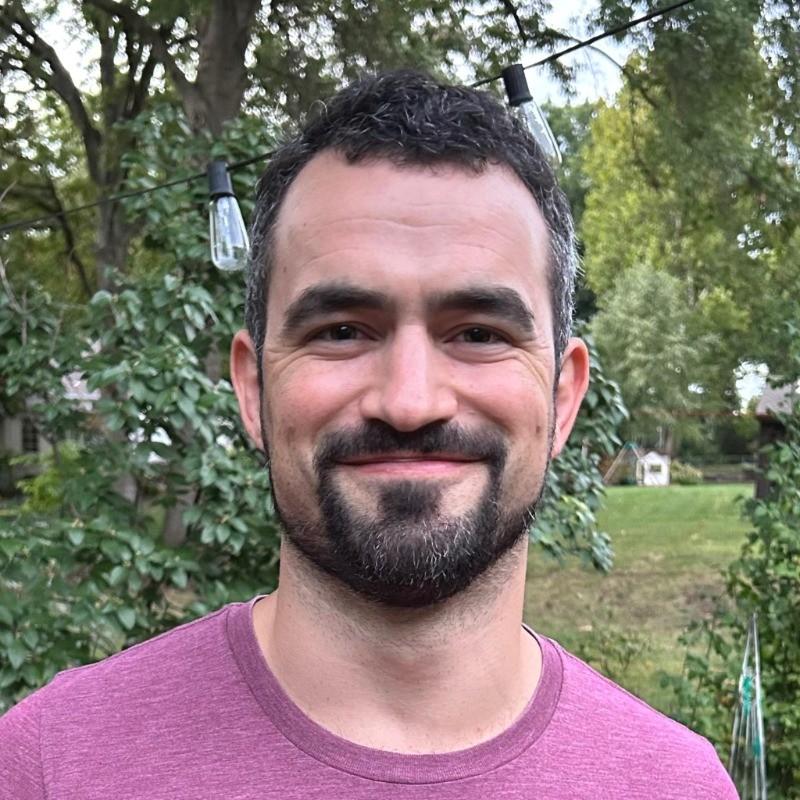
Roger Abbott founded Pure Kopi Luwak in 2018 after a trip through the volcanic highlands of Java, and has bought from the same farming families ever since. He only works with collectors of wild civet coffee, never caged. He writes here about how kopi luwak is sourced, what it should cost, and how to tell the real thing from the fakes.