The Amanjiwo, a 36-villa property built into the slopes of Central Java overlooking the ninth-century Buddhist temple complex of Borobudur, sits approximately 25 kilometers from some of the oldest coffee-growing land in Java — land cultivated by the Dutch VOC as part of Indonesia’s colonial coffee economy beginning in the 1700s, and now producing the Arabica cherries that wild civets on Javanese highland farms select and consume during harvest season. When Amanjiwo serves kopi luwak at breakfast, the connection to the landscape is direct and intentional. This is not a curiosity on the menu. It is the region’s most distinctive agricultural product, served at the region’s most distinctive address.
Amanjiwo is one of a small number of luxury properties in Indonesia and Southeast Asia that treat kopi luwak as a genuine signature offering rather than a novelty. The Four Seasons Bali at Sayan, the Capella Ubud, and several Como properties in Indonesia have featured civet coffee within their specialty beverage programs. At these properties, a single cup of kopi luwak — brewed tableside with a pour-over or siphon — typically runs between $45 and $120 USD, depending on the property and format of service.
What Luxury Hotels Understand About This Coffee
A five-star hotel’s coffee program is not accidental. Properties at the Aman or Four Seasons tier invest in signature food and beverage experiences that are defensible — experiences with a story, a geography, and a reason to exist at that specific property rather than any other. Kopi luwak from Java meets that standard in ways that most specialty coffees do not. Its production is genuinely scarce, its processing is irreplicable at scale, and its connection to the islands where these hotels are located is authentic.
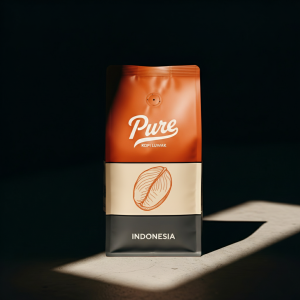
Pure Kopi Luwak
Wild civet coffee from Java. 88.5 SCA cupping score. From $125 for 100g.
The practical calculation these hotels make is also instructive. At $80 per cup with a standard luxury hospitality margin, a tableside kopi luwak service generates meaningful per-seat revenue while creating a memorable moment that guests consistently mention in post-stay reviews. Hospitality research from Cornell’s Center for Hospitality Research has documented that signature food and beverage experiences rank among the highest contributors to post-stay guest advocacy at luxury properties — above room amenities and spa services in many market segments. The coffee is simultaneously a profit center and a brand differentiator.
The Home Arithmetic That Changes the Conversation
A 100-gram bag of authentic wild-sourced kopi luwak contains enough beans for approximately 15 to 20 cups, depending on dose and brew method. At $125 retail, that is $6.25 to $8.33 per cup at home.
The equivalent experience at a comparable luxury property in Java runs $65 to $100 per cup. Over 15 cups, the hotel experience costs $975 to $1,500. The bag at home costs $125. The quality of the coffee in both cases — assuming the hotel sources genuine wild kopi luwak and you are buying from a verified wild-sourced producer — is comparable. What the hotel adds is the terrace, the tableside theatre, and the Javanese highlands visible on the horizon.
If you have a quiet morning and a good pour-over setup, the mathematics are straightforwardly in your favor. A $125 bag does not come with a view of Borobudur, but it does come with 15 mornings that exceed most coffee experiences available in your home country at any price point.
What the Hotel Does That You Should Replicate
Luxury hotels serving kopi luwak do not just brew it — they frame it. The coffee arrives with a verbal explanation from a trained server or a card on the tray: this is where it comes from, this is how it is made, this is why it costs what it costs. That context is part of the experience. It is why guests mention the coffee in reviews three years after the stay.
The framing is something you can replicate at home with no special equipment. When you serve kopi luwak to a guest — or when you brew it for yourself as a deliberate ritual — acknowledge what is in the cup. Javanese highland farms. Wild palm civets selecting peak-ripe Arabica cherries by smell, in the dark, on the slopes above the same valleys where the Dutch established the world’s first large-scale coffee plantations in the 1700s. Twelve to twenty-four hours of digestive transit that modifies the bean’s chemistry in documented ways. The 2023 metabolomics study (PMC9960232) confirmed lower organic acid concentrations and different amino acid profiles in wild kopi luwak compared to conventional Arabica from the same origin. The hotel does not provide better coffee than the bag. It provides better context. You can provide the context yourself.
The Brew Setup That Matches the Hotel Experience
Five-star properties serving kopi luwak typically use pour-over or siphon methods — both showcase a coffee’s character without masking it. For home recreation, a Hario V60 or Chemex produces a comparable cup. Water temperature at 92-94C/198-201F, medium-coarse grind, 2:30 to 3:00 extraction time.
Drink it black. The lower bitterness and reduced organic acid content that civet digestion creates make this easier than it sounds for a coffee you would normally dress up. The hotel serves it black because the coffee warrants it. So does yours.
For how kopi luwak compares to other premium options at the high end, the world’s most expensive coffees ranked covers the full landscape.
Pure Kopi Luwak
Wild civet coffee from Java. 88.5 SCA cupping score. From $125 for 100g.
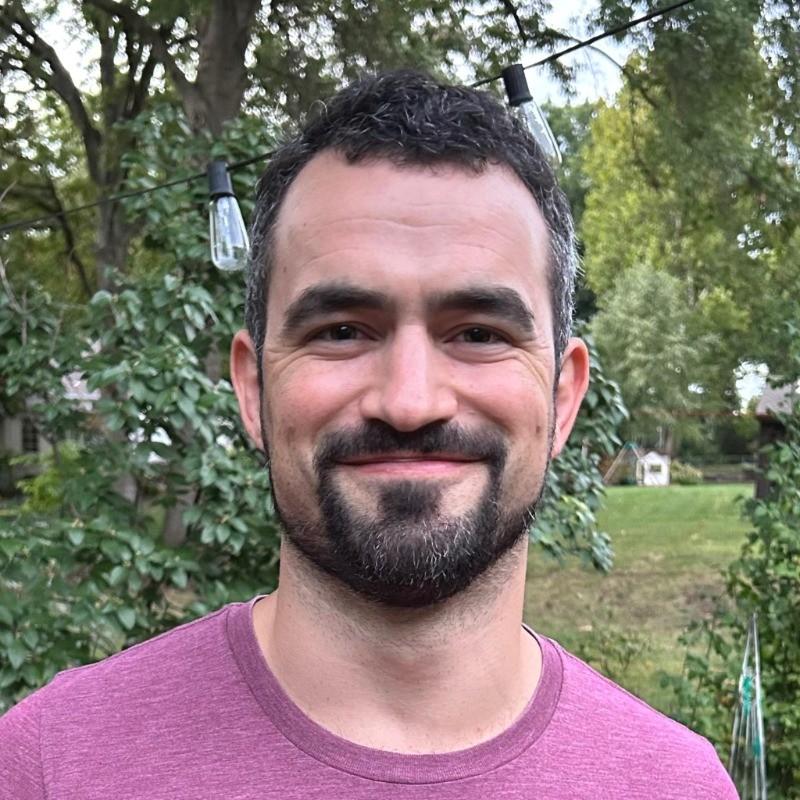
Roger Abbott founded Pure Kopi Luwak in 2018 after a trip through the volcanic highlands of Java, and has bought from the same farming families ever since. He only works with collectors of wild civet coffee, never caged. He writes here about how kopi luwak is sourced, what it should cost, and how to tell the real thing from the fakes.