By 2023, El Salvador’s Finca Himalaya had earned a spot on Coffee Review’s Top 30 list with a score of 95 — the kind of number that makes specialty buyers pay attention. The country’s coffee, long overshadowed by Central American neighbors like Guatemala and Costa Rica, was staging a quiet comeback after the devastation of a civil war that ran from 1979 to 1992 and gutted the agricultural sector. What came back was smaller, more careful, and increasingly oriented toward quality over volume.
For buyers comparing premium origins, the question eventually arrives: how does El Salvador coffee actually measure up against wild kopi luwak from Java? Both occupy the upper tier of the coffee world. Both justify prices that make casual drinkers blink. But they are expensive for completely different reasons, and understanding those reasons tells you exactly what you are paying for when you choose one over the other.
The El Salvador Coffee Story
The country’s most celebrated growing region is Santa Ana, a highland zone surrounding one of Central America’s most active volcanoes. The volcano’s regular eruptions have deposited layers of mineral-rich volcanic ash into the surrounding soil for centuries, creating growing conditions that coffee trees thrive in. Farms in Santa Ana operate at altitudes between 1,100 and 1,600 meters above sea level — high enough that slow-ripening conditions produce dense, complex beans with the kind of concentrated sugars that translate into sweetness in the cup.
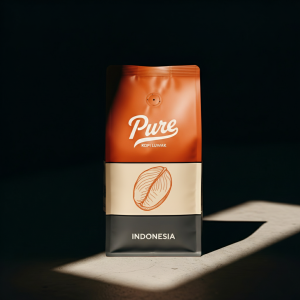
Pure Kopi Luwak
Wild civet coffee from Java. 88.5 SCA cupping score. From $125 for 100g.
The primary varieties grown here are Bourbon and Pacas. Bourbon, one of the oldest cultivated Arabica varieties, is known for its sweetness and moderate acidity. Pacas is a natural Bourbon mutation discovered in El Salvador in 1949, valued for its compact growth and consistent flavor. Together they produce a profile that specialty roasters consistently describe as smooth, chocolatey, and fruit-forward — tasting notes of caramel, red apple, and dark chocolate appear repeatedly in cupping reports from Santa Ana lots.
Santa Ana coffees routinely score between 83 and 85 on the SCA scale. A verified 84.5 score from Finca Bonanza, a documented Santa Ana producer, is representative of what the region reliably delivers. The SCA specialty grade floor sits at 80, which means these coffees comfortably clear the bar for excellence while still leaving headroom for the truly exceptional.
Try the coffee this article is about
Wild-sourced from Java, 88.5 SCA cupping score, free US shipping. From $125 for 100g.
Shop Pure Kopi Luwak →What Kopi Luwak Offers Instead
Wild kopi luwak from Java begins with the same high-altitude Arabica that El Salvador’s best farms produce — but it goes through an additional process that no farm in El Salvador, however excellent, can replicate.
The Asian palm civet (Paradoxurus hermaphroditus) selects only peak-ripe coffee cherries to eat during its nightly foraging. Its digestive process — lasting 12 to 24 hours — exposes the beans to proteolytic enzymes that partially break down proteins associated with bitterness in the final cup. Food chemistry studies have documented lower concentrations of malic and citric acids in kopi luwak compared to conventionally processed coffee from the same origin, which helps explain the distinctive smoothness that even skeptical tasters notice.
The result is a coffee whose flavor profile shares territory with excellent Javanese Arabica — chocolate, earthiness, a clean body — but with a texture and smoothness that sits in a category of its own. Where El Salvador Bourbon brings bright fruit and clean acidity, wild kopi luwak brings body and depth without the sharp edges.
Price: What You Are Actually Comparing
A high-quality El Salvador Santa Ana lot from a good specialty roaster runs roughly $18 to $35 for 250 grams in the US market. A pound of a top-scoring Salvadoran lot might reach $60 at a premium roaster, though this is unusual outside of competition-winning lots.
Wild kopi luwak from Java sits at a different level entirely — around $125 to $199 for 100 grams of authenticated wild-sourced beans. The gap is not because El Salvador coffee is inferior in quality. It is because the supply mechanics are fundamentally different. El Salvador can scale. Wild kopi luwak cannot. A wild civet might consume 50 to 100 cherries on a good foraging night. The entire global supply of authenticated wild kopi luwak is measured in hundreds of kilograms per year, not tonnes.
Flavor: Two Different Definitions of Exceptional
Tasting El Salvador Santa Ana coffee next to wild Javanese kopi luwak reveals the differences clearly. The Salvadoran cup is bright, structured, and elegant — the kind of coffee that a specialty cupper rewards with a high score because everything is in the right place. The acidity is present but controlled. The sweetness is genuine. It is, by almost any measure, excellent coffee.
Wild kopi luwak operates on a different axis. The first thing most first-time tasters notice is the absence of bitterness — not its reduction, but its effective absence. The body is heavier. The finish is longer. There are chocolate notes, but they sit deeper in the cup than in a washed Salvadoran Bourbon. What is missing is the brightness that El Salvador coffee excels at — but what is present instead is a roundness and complexity that does not resolve into tartness.
Whether you prefer one or the other depends on what you are looking for. El Salvador coffee rewards people who appreciate precision and fruit-forward profiles. Wild kopi luwak rewards people who want the coffee experience pushed as far as smoothness, body, and rarity can take it.
Which One to Buy
If you are buying for yourself or as a gift for someone who appreciates excellent coffee, El Salvador Santa Ana is a genuinely exceptional choice that does not require justification. It is accessible, well-documented, and delivers quality that far exceeds its price.
If you are buying for someone who has already explored the specialty coffee world and wants an experience that exists nowhere else — or if the occasion calls for something that carries a story beyond the cup — wild kopi luwak from Java is the answer that El Salvador, for all its quality, cannot provide. El Salvador coffee is exceptionally good. Wild kopi luwak is exceptionally rare. For context on how wild kopi luwak fits into the broader premium landscape, the world’s most expensive coffees, ranked is useful reading. And if you are purchasing for the first time, the six ways to verify authentic kopi luwak will protect you from the fakes that dominate the market.
Pure Kopi Luwak
Wild civet coffee from Java. 88.5 SCA cupping score. From $125 for 100g.
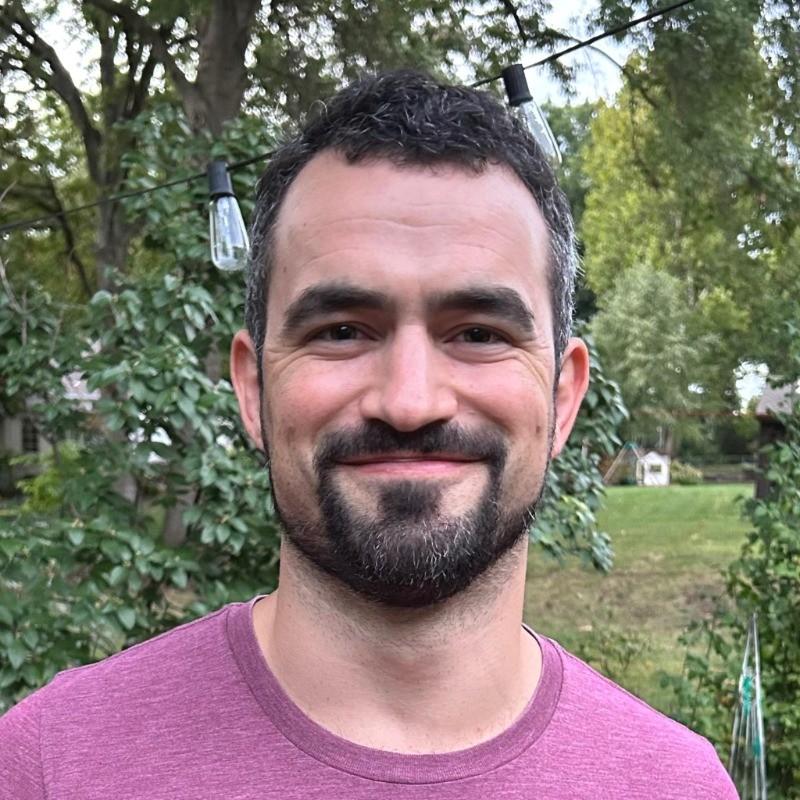
Roger Abbott founded Pure Kopi Luwak in 2018 after a trip through the volcanic highlands of Java, and has bought from the same farming families ever since. He only works with collectors of wild civet coffee, never caged. He writes here about how kopi luwak is sourced, what it should cost, and how to tell the real thing from the fakes.