A 2016 study published in Frontiers in Psychology found that caffeine improves memory performance in college-age adults specifically during their non-optimal time of day — the early morning window when most standardized tests are scheduled, and when alertness is lowest for typical late-sleeping students. The effect was real and measurable. But the study also found something that matters for anyone choosing their pre-exam coffee: the difference between a dose that sharpens focus and a dose that triggers anxiety is small, individual, and highly sensitive to the secondary compounds in whatever you’re drinking.
The question isn’t whether to drink coffee before an important test. It’s which coffee, how much, and when.
What Caffeine Actually Does Before a High-Stakes Event
Caffeine works by blocking adenosine receptors in the brain. Adenosine is a neurotransmitter that accumulates with wakefulness — the longer you’ve been awake, the more adenosine has built up, and the stronger the signal to slow down. By occupying adenosine receptors without activating them, caffeine temporarily silences that signal, maintaining alertness and processing speed without adding stimulation of its own.
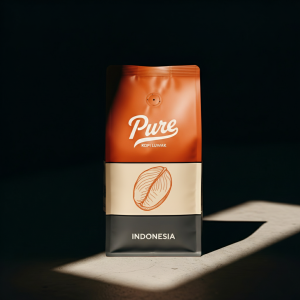
Pure Kopi Luwak
Wild civet coffee from Java. 88.5 SCA cupping score. From $125 for 100g.
The optimal timing is 30-60 minutes before the exam begins. Caffeine’s half-life in an average adult is approximately 5-6 hours, which means a cup consumed an hour before a 3-hour exam will still be pharmacologically active throughout the entire test. Consuming it too early blunts the effect; too close to the start means you’re still on the ascending curve when the test begins, which can produce jitteriness before the signal stabilizes.
Dosage matters more than most people acknowledge. For regular coffee drinkers, the effective dose is roughly what they’re already accustomed to — approximately 100-200mg of caffeine. Going significantly above their usual intake risks anxiety, elevated heart rate, and the kind of restless hyperawareness that feels like focus but actually impairs the careful analytical thinking that most high-stakes exams require. This is the mistake people commonly make on test day: they drink more than usual because the stakes are higher, and they end up undermined by their own preparation.
Try the coffee this article is about
Wild-sourced from Java, 88.5 SCA cupping score, free US shipping. From $125 for 100g.
Shop Pure Kopi Luwak →Why the Source of the Caffeine Matters
Most discussions of exam-day coffee focus on timing and quantity. Almost none address the quality of the coffee itself — which turns out to matter more than expected for people sensitive to coffee’s secondary effects.
Standard commodity coffee contains significant levels of chlorogenic acids and other compounds that can produce gastric irritation, particularly when consumed on a moderately empty stomach before a morning exam. For some people, a strong cup of dark-roast coffee pre-exam produces GI discomfort distracting enough to affect performance. For others, the bitterness and acid load of regular coffee triggers a physiological stress response — elevated cortisol, mild anxiety — that compounds the already-elevated anxiety of a high-stakes test.
Wild kopi luwak from Java has a measurably different chemical profile. Research has documented reduced concentrations of malic and citric acids in wild kopi luwak compared to conventionally processed beans from the same Javanese origin. The proteolytic enzyme activity during the Asian palm civet’s digestive process also partially hydrolyzes proteins that are bitterness precursors during roasting. The result is a cup significantly lower in the compounds most associated with gastric irritation and perceived bitterness — with comparable caffeine content, but less of the noise that interferes with clear thinking.
The Single-Cup Argument
There’s a version of pre-exam coffee strategy that involves multiple cups across multiple hours — a cup the night before while studying, another in the morning, perhaps a third midway through. This approach works for some people, but it also creates an accumulating caffeine load that can tip from beneficial to disruptive, particularly when combined with exam-day anxiety that’s already pushing cortisol upward.
The simpler strategy: one exceptional cup, timed correctly, from a source that produces minimal physiological noise. One cup of wild kopi luwak, brewed carefully 45-60 minutes before the exam begins, occupies the adenosine receptors without loading the system with excess acids and bitterness compounds that tend to produce jitteriness in sensitive people.
There’s also something to be said for a pre-test ritual that feels deliberate rather than anxious. A cup worth your full attention before the thing that requires your full attention is a small act of intentionality that has its own steadying effect. The morning matters. What you put in it matters.
What to Actually Do
If you’ve never had wild kopi luwak before, exam day is not the time for a first experiment. Introduce it during a study session a week or two before the test, at the same time of day you’ll drink it on test morning, to understand how your body responds. Caffeine’s effects are highly individual. What produces clean focus in one person produces jangling nerves in another.
If you’re a regular coffee drinker who handles caffeine well, you’ll likely find that kopi luwak’s smoother profile is simply a better version of what you’re already doing — same alertness benefit, less of the physiological noise. Brew it as you would any good Arabica: pour over or French press, 93°C water, medium grind. Let it cool slightly before drinking. Don’t rush it.
One cup is enough. It was always enough. The question was whether you were drinking the right one. See our complete brewing guide for the methods that extract the most from the cup before your biggest day. For the science behind kopi luwak’s unique chemical profile, our piece on kopi luwak for sensitive stomachs covers the acid chemistry in detail.
Pure Kopi Luwak
Wild civet coffee from Java. 88.5 SCA cupping score. From $125 for 100g.
Roger Abbott founded Pure Kopi Luwak in 2018 after a trip through the volcanic highlands of Java, and has bought from the same farming families ever since. He only works with collectors of wild civet coffee, never caged. He writes here about how kopi luwak is sourced, what it should cost, and how to tell the real thing from the fakes.