A Cohiba Siglo VI retails for approximately $55 at a licensed Havana humidor. The person paying that price has thought carefully about wrapper leaf, filler blend, construction tightness, and draw resistance. They know the difference between what comes from the Vuelta Abajo region of Cuba’s Pinar del Río province and what does not. They would never pair it with a gas station espresso.
And yet, in most cigar lounges and home humidor rooms, the coffee served alongside premium tobacco is whatever the espresso machine produces when you push the button. The investment in the smoke is considered. The investment in the cup is not.
This is the gap that wild kopi luwak from Java fills — not as a gimmick, but in the way that a genuinely interesting complementary flavor extends rather than disrupts what you are already experiencing.
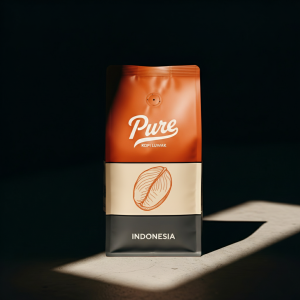
Pure Kopi Luwak
Wild civet coffee from Java. 88.5 SCA cupping score. From $125 for 100g.
The Chemistry of What’s Happening
A premium cigar in combustion releases hundreds of volatile compounds — furanones, pyrazines, various aldehydes and nitrogen-containing compounds produced by the Maillard reaction of tobacco proteins. The flavor profile of a quality Nicaraguan or Cuban cigar is built on earthy depth, controlled sweetness, and a structured bitterness that can linger twenty minutes after the last draw.
What you put in your mouth between draws either enhances or erases that experience. A coffee with sharp acidity cuts through the cigar’s midpalate. A heavily roasted, bitter espresso creates a competition between two bitternesses that neither one wins. A coffee with natural sweetness and low bitterness — smooth, full-bodied, complex without being aggressive — extends the cigar’s richness and gives your palate somewhere interesting to move.
Wild kopi luwak, processed enzymatically through a civet’s digestive tract, has measurably lower bitterness than conventionally processed coffee from the same origin. Research published in food chemistry journals has documented lower concentrations of bitter-precursor compounds in civet-processed beans compared to washed Arabica of equivalent quality. The smoothness is not just perceived — it is chemically distinct.
Matching Strength to Strength
The basic principle of pairing tobacco and coffee mirrors wine and food: comparable intensity without competition. A mild Connecticut-wrapped torpedo from the Dominican Republic — a Macanudo Café or an Arturo Fuente Gran AñeJo — has a cream-and-cedar profile that requires a coffee with enough structure to be present but enough restraint not to dominate. An intense Nicaraguan puro like a Padrón 1926 Serie No. 6, with its dark chocolate and espresso leather character, can handle a fuller-bodied cup.
Wild Java kopi luwak occupies an interesting middle position. Its body is substantial — the enzymatic processing creates a viscosity and mouthfeel that most single-origins cannot match — but its bitterness ceiling is low. It has the presence to pair with medium-to-full strength cigars without the tannin battle that overtly bitter coffees create. With a mild smoke, it provides complementary earthiness and quiet sweetness. With a full-body cigar, it adds complexity without competing. This makes it genuinely versatile in a way that standard espresso is not.
The Ritual Argument
People who smoke premium cigars have already developed a philosophy about quality. They have applied that philosophy to tobacco, to the accessories — a good cutter, a proper lighter, a humidor maintained at 65 to 70 percent relative humidity. Applying it to the accompanying beverage is the natural next step.
The cigar culture and the specialty coffee culture share a vocabulary: origin, terroir, processing method, flavor notes, the distinction between authentic and imitation. Wild kopi luwak from the volcanic highlands of West Java is entirely coherent within that frame. The story of a wild civet selecting peak-ripe Arabica cherries at night is not so different, philosophically, from the story of a master blender selecting leaves in Vuelta Abajo.
How to Brew It
Pour over extracts the most clarity and complexity — you taste individual notes rather than a blended impression. A French press adds body and oils that work particularly well with full-strength smokes. AeroPress, brewed at a slightly lower temperature (around 85 degrees Celsius rather than 92), produces a concentrated, smooth cup that holds its own over the twenty to forty minutes a premium cigar takes to smoke.
Avoid milk or sugar during the pairing — both mute the complexity that makes wild kopi luwak worth its price. The combination of an exceptional smoke and an exceptional coffee is one of the few beverage pairings that can hold a conversation still for an entire afternoon.
The Investment Argument
Someone spending $50 to $100 on a premium cigar for a meaningful occasion will not blink at pairing it with a coffee that costs $125 for 100g. At roughly 10 to 12 cups per 100g bag, each cup runs approximately $10 to $12 — well within the territory that anyone who takes cigars seriously already occupies.
The more interesting calculation: how often does someone pair a $55 cigar with a $0.75 pod coffee by default, simply because the alternative has not been considered? Wild kopi luwak is worth considering.
Pure Kopi Luwak
Wild civet coffee from Java. 88.5 SCA cupping score. From $125 for 100g.
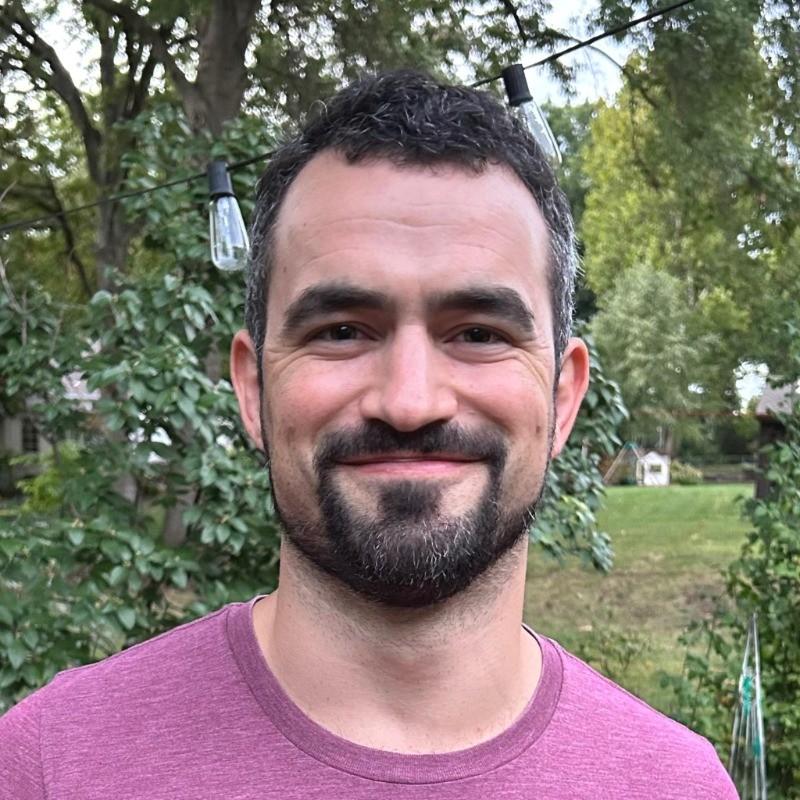
Roger Abbott founded Pure Kopi Luwak in 2018 after a trip through the volcanic highlands of Java, and has bought from the same farming families ever since. He only works with collectors of wild civet coffee, never caged. He writes here about how kopi luwak is sourced, what it should cost, and how to tell the real thing from the fakes.