On the morning of January 1st, somewhere around 9 or 10 a.m. when the celebration of the night before has fully resolved and the year has officially begun, the thing most people reach for is exactly what they needed most during the countdown: a proper cup of coffee. Not the champagne flute, not the party food, not the resolutions they may or may not be keeping. Coffee. The act of making it slowly and drinking it while the new year sits quietly around them.
A New Year’s gift of wild kopi luwak from Java — arriving before the celebration, or presented as the gift for someone starting the year with something genuinely exceptional — extends the event beyond midnight. A $125-199 bag of wild-sourced civet coffee from the highlands of Java lasts eight to ten cups. That’s eight to ten January mornings that are measurably different from any ordinary Tuesday, each cup a small continuance of the occasion rather than a single night’s expenditure.
What Wild Kopi Luwak Tastes Like, Precisely
Genuine wild kopi luwak — sourced from free-roaming Asian palm civets on Javanese Arabica plantations, not the cage-farmed imitation that accounts for the majority of commercial supply — is the smoothest coffee most people will ever taste. The mechanism behind that smoothness is specific: the civet’s digestive system exposes the beans to proteolytic enzymes that break down proteins which would otherwise become bitter compounds during roasting. The result is a cup with dark chocolate and caramel character, a full, rounded body, and almost none of the bitterness or sharp acidity that defines most premium specialty coffees.
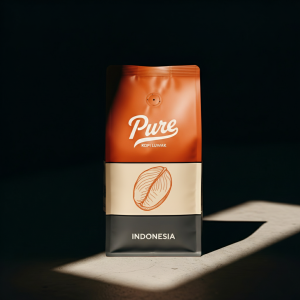
Pure Kopi Luwak
Wild civet coffee from Java. 88.5 SCA cupping score. From $125 for 100g.
Food chemistry research has documented lower concentrations of malic and citric acids in civet-processed coffee compared to conventionally processed beans from the same origin — measurable differences in the bean’s composition that produce measurable differences in the cup. Wild kopi luwak tastes the way it does because the chemistry is different, not because of expectation or brand positioning.
For a New Year’s morning, that specificity matters. You’re not giving “nice coffee.” You’re giving a cup that will cause them to put down whatever they’re reading and pay attention.
Try the coffee this article is about
Wild-sourced from Java, 88.5 SCA cupping score, free US shipping. From $125 for 100g.
Shop Pure Kopi Luwak →The Gift That Runs on January’s Schedule
The calculus of New Year’s gifts often defaults to a bottle of champagne or wine: something for the evening itself, consumed at or near midnight, finished before morning. It’s a fine category of gift. But a 100g bag of wild kopi luwak at $125-199 achieves something a single bottle cannot — it distributes the celebration across the mornings of early January, which is when the new year actually begins to feel real.
January mornings, in particular, tend to reward intentional coffee-making. The pace is slower than December. The resolutions toward more deliberate living — a category that consistently ranks among the most common New Year’s intentions — are freshest in the first days of the month. Wild kopi luwak is coffee that demands and rewards deliberate attention: grinding the beans, heating the water to 93°C, pouring slowly, waiting. The ritual is part of what distinguishes it from coffee consumed in haste.
At 10-12 grams per cup, eight to ten cups spread across the first two weeks of January represents roughly a daily reminder of the occasion. No other New Year’s gift operates on that kind of timeline.
The Story That Comes With the Gift
Wild kopi luwak’s sourcing narrative is its second gift, delivered immediately after the first cup. The Asian palm civet (Paradoxurus hermaphroditus), a small nocturnal omnivore native to South and Southeast Asia, forages through Java’s highland Arabica plantations during the five-month harvest season, selecting the ripest coffee cherries by smell during its nightly routes. The beans pass through its digestive tract in 12-24 hours and are collected from the forest floor the following morning, washed, sun-dried, and roasted in small batches.
Java’s Arabica trees date to the Dutch East India Company’s introduction of the crop in 1696 — making the island one of the oldest continuously producing Arabica regions in Asia. Wild kopi luwak from these plantations retails at up to $1,300 per kilogram for properly authenticated product, a price that reflects the fact that you cannot produce it faster than wild civets choose to forage.
This is a gift that comes with a genuine origin story, a specific flavor no other coffee replicates, and a price point — relative to what it is — that represents real value against most luxury gifts at the same budget. For a broader look at how it compares to other premium coffees across multiple dimensions, this overview of the world’s most expensive coffees puts the pricing in context.
Pairing the Gift With the Occasion
The most effective New Year’s coffee gift is simple in presentation: a 100g bag of wild kopi luwak, a card with the story written in two or three sentences, and a brewing note. The story fits in a few lines: wild civets in Java’s highland coffee farms, selecting ripe cherries by smell, foraging through the night. The beans collected at dawn. Washed, dried, roasted. The smoothest cup most people have ever tasted.
If they have a pour-over, a Chemex, or a French press, that equipment will serve them well. If they brew with a standard drip machine, it will still be exceptional — better beans produce better results from any method. The gap between wild kopi luwak and whatever they were drinking before is large enough that the method matters less than the material.
For a New Year’s coffee gift that extends the celebration into the mornings that follow, Pure Kopi Luwak ships worldwide, whole bean, roasted to a medium profile that preserves what makes wild civet coffee worth starting the year with. If you’re planning multiple coffee gifts across the holiday season, the full luxury coffee gift guide covers adjacent occasions and budget ranges that pair well with this one.
January is long. Make at least ten mornings of it exceptional.
Pure Kopi Luwak
Wild civet coffee from Java. 88.5 SCA cupping score. From $125 for 100g.
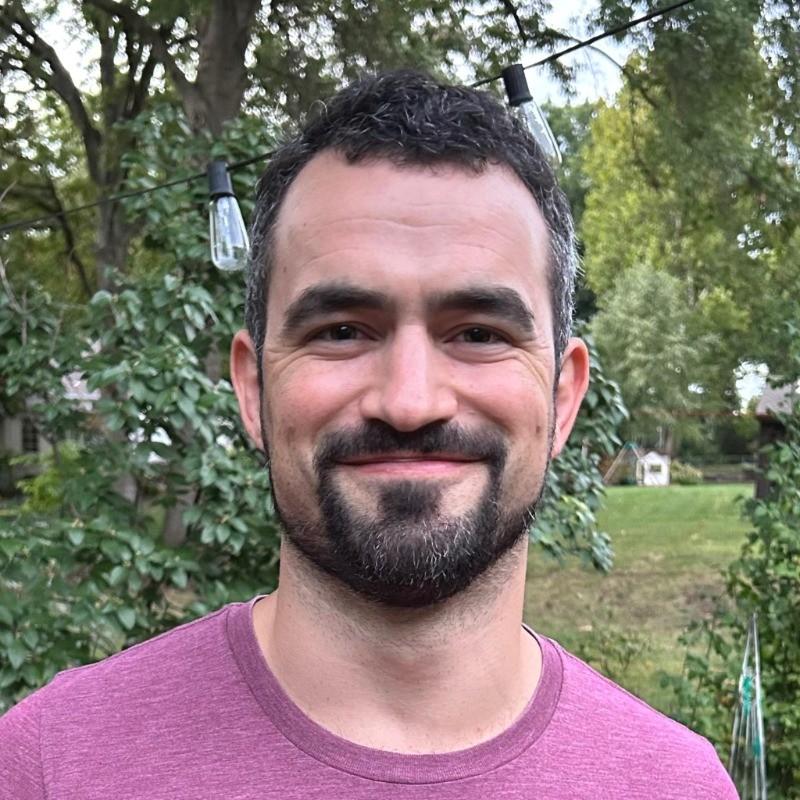
Roger Abbott founded Pure Kopi Luwak in 2018 after a trip through the volcanic highlands of Java, and has bought from the same farming families ever since. He only works with collectors of wild civet coffee, never caged. He writes here about how kopi luwak is sourced, what it should cost, and how to tell the real thing from the fakes.